








The Rise of Bio-Hacking Your Blood Sugar
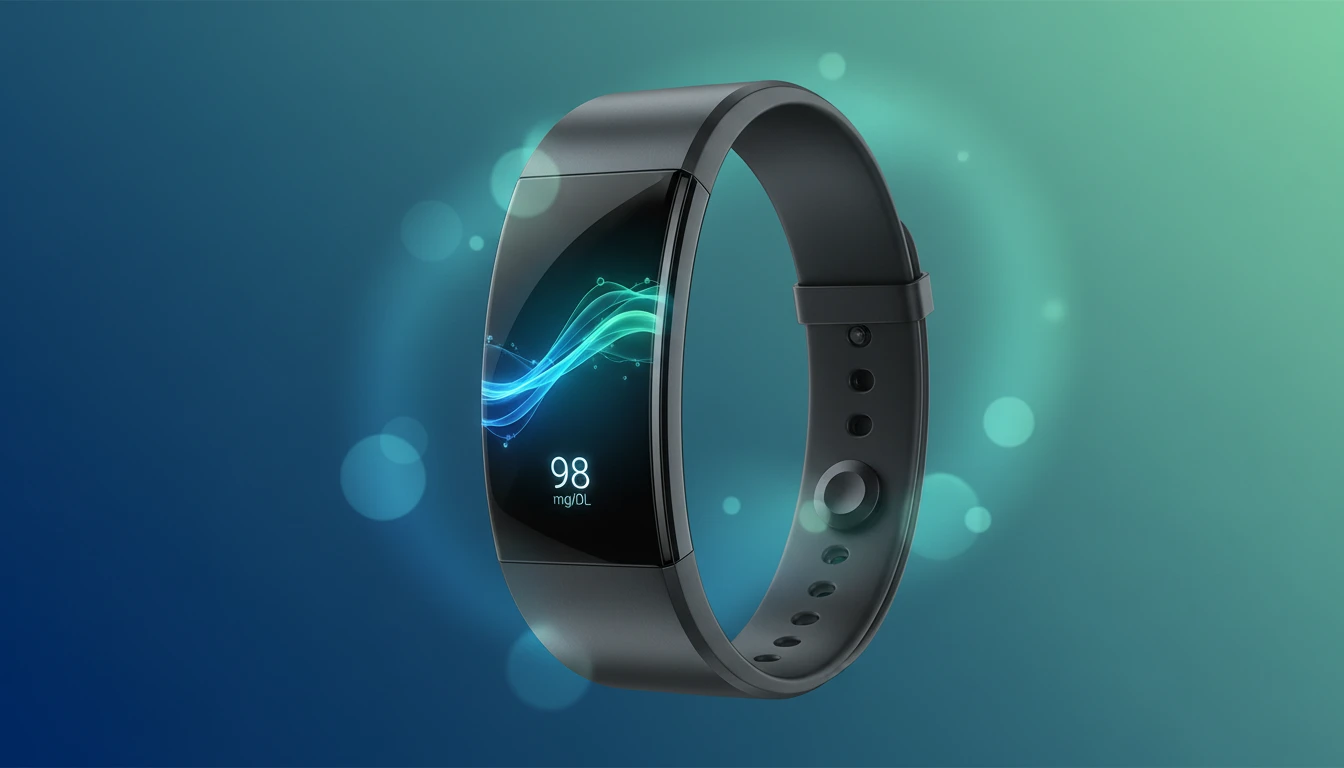
A new wellness trend is seeing non-diabetic, health-conscious individuals turning to a tool originally designed for people with diabetes: the continuous glucose monitor (CGM). A CGM is a small, wearable sensor, often placed on the back of the arm, that
tracks your glucose (sugar) levels in real-time, sending data to a smartphone app. While traditionally used to manage diabetes, fitness buffs and bio-hackers are now using this data to gain a deeper understanding of their body's response to food, exercise, and stress, all in the quest for optimized energy and performance.
Connecting Food to Fatigue
The primary appeal for many is demystifying the post-lunch slump. This lethargy, medically known as postprandial somnolence, often occurs after a meal heavy in refined carbohydrates. Such foods can cause a rapid spike in blood sugar. Your body then releases insulin to shuttle that sugar into your cells for energy. However, sometimes the body overcorrects, releasing too much insulin. This can lead to a subsequent crash in blood sugar, known as reactive hypoglycemia, leaving you feeling tired, shaky, and foggy. By wearing a CGM, users can see this process happen in real-time. They can identify which specific foods or meal combinations cause sharp spikes and crashes, and which ones provide a more stable, gentle curve of energy.
From Data to Diet Decisions
The real power of the CGM for a non-diabetic user is its function as a biofeedback tool. Seeing that a lunch of white pasta causes a dramatic glucose spike followed by a crash an hour later is a powerful motivator for change. The next day, that person might be inspired to try a meal with more protein, fibre, and healthy fats—like a chicken salad or lentils—and see a much more stable glucose reading on their monitor. This immediate feedback helps individuals personalise their nutrition. Simple swaps, like adding a source of protein to a carb-heavy meal, eating vegetables first, or taking a short walk after eating, can have a visible impact on glucose stability and, by extension, sustained afternoon energy.
The Expert View and Potential Downsides
While the trend is growing, experts are cautious. There is still limited large-scale research on the long-term benefits of CGM use for healthy, non-diabetic individuals. Endocrinologists point out that normal glucose fluctuations are expected in healthy people and that a CGM is not a diagnostic tool. There's a risk of creating unnecessary anxiety or an unhealthy fixation on data, leading to disordered eating patterns. Furthermore, the devices and associated programs can be expensive and are typically not covered by insurance for wellness purposes. Many experts argue that the same goal of stable blood sugar can be achieved by following well-established dietary advice: prioritise whole foods, balance macronutrients, limit processed sugar, and stay active.