







The Forest Reborn
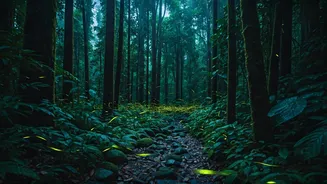
The most immediate and profound change the monsoon brings is the sheer explosion of life. What was a landscape of dry teak, brittle bamboo, and cracked earth just weeks before is suddenly reborn. The forest floor is carpeted with fresh green shoots, ferns
unfurl in damp corners, and every tree is washed clean, their leaves glistening. The waterholes, once shrinking mud puddles, swell into serene lakes, reflecting the dramatic, cloud-filled skies. This visual transformation is nothing short of magical. It’s a sensory overload of green in a thousand different shades, making every safari drive feel like you’re venturing into a lost, primeval world. Parks like Periyar in Kerala and the buffer zones of Tadoba in Maharashtra become almost unrecognisable, their beauty amplified by the life-giving water.
A Symphony of Sounds and Smells
A monsoon safari is an acoustic experience. The silence of the dry season is replaced by a rich and complex soundtrack. The constant hum of insects, the deep croaking of frogs celebrating the newly filled ponds, and the calls of birds like the Jacobin cuckoo—the traditional harbinger of the monsoon—create a vibrant orchestra. The air itself is different. It’s heavy with humidity and the intoxicating smells of wet earth, blooming wildflowers, and decaying leaves. This multi-sensory immersion is a core part of the monsoon’s magic. It’s a reminder that the forest isn’t just about seeing the big animals; it’s a living, breathing ecosystem that is at its most expressive during the rains.
Unique Animal Encounters
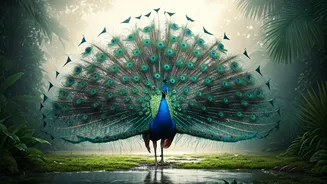
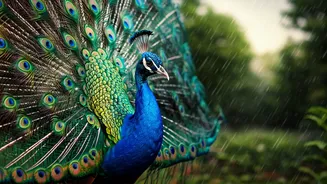
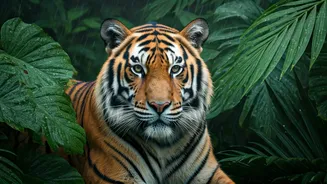
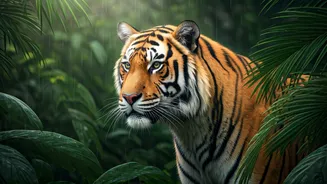
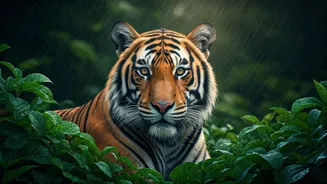
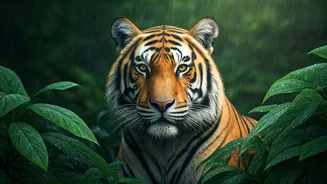
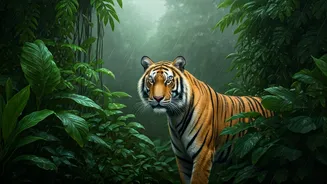
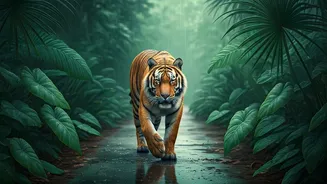
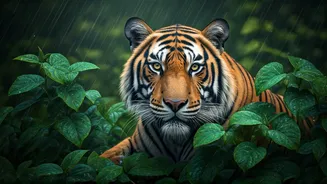
While many assume animals hide from the rain, the opposite is often true. The cooler temperatures and abundant water mean many creatures are more active throughout the day. You might witness a herd of elephants playfully splashing in a full river, or a sambar deer standing majestically in a downpour, its coat dark with rain. Peacocks, India’s national bird, are at their most resplendent, fanning their iridescent tails for a dramatic rain dance. Even predators can offer unique sightings. A tiger, seeking refuge from a heavy shower under a rocky overhang, or a leopard navigating a rain-slicked branch, provides a glimpse into the resilient, adaptable nature of these magnificent animals. The rain changes their behaviour, offering photographers and wildlife lovers a chance to see them in a completely different context.
The Drama of Light and Atmosphere
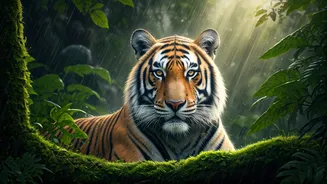
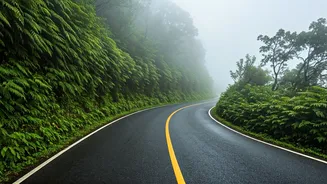
Forget the harsh, flat light of a sunny afternoon. The monsoon brings with it an atmosphere of incredible drama and beauty. Mists hang low in the valleys, shrouding the trees and creating an ethereal, mysterious mood. The sky is a canvas of shifting grey clouds, occasionally pierced by golden shafts of sunlight that illuminate a patch of the forest in a spectacular display. For photographers, this is a dream come true. The soft, diffused light is perfect for capturing the rich colours of the flora and the textures of animal coats without harsh shadows. The moody landscapes, misty mornings, and rain-drenched afternoons provide endless opportunities for evocative, soulful images that tell a story of renewal and life.
The Solitude of the Off-Season
Perhaps one of the most underrated aspects of a monsoon safari is the peace. The peak tourist season is over, the convoys of jeeps have thinned, and the parks that remain open offer a more intimate and personal experience. You are more likely to have a sighting to yourself, allowing you to watch animal behaviour unfold without disturbance. This solitude enhances the feeling of being truly immersed in nature. The quiet moments—listening to the rain fall on the canvas roof of your jeep, watching a stream gurgle to life, or simply breathing in the clean, rain-washed air—are just as memorable as the big-ticket sightings. While core zones of many famous parks like Corbett and Ranthambore close, their buffer zones, along with parks in Southern and Central India, often remain open, providing a perfect escape for those seeking a quieter wilderness experience.