




Embrace Light, Easy-to-Digest Gourds
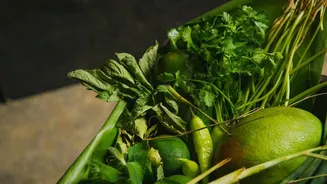
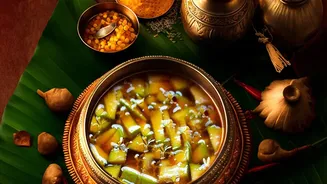
During monsoon, traditional Ayurvedic wisdom and modern nutrition agree that our digestive system becomes weaker. Heavy meals can lead to bloating and discomfort. This is the perfect time to embrace seasonal gourds like bottle gourd (lauki), ridge gourd (turai),
and bitter gourd (karela). These vegetables are not only light and easy on the stomach but are also packed with essential nutrients and water content, helping you stay hydrated. Bitter gourd, in particular, is prized for its antimicrobial properties. A simple, lightly spiced lauki sabzi or a comforting soup is an excellent way to nourish your body without taxing your digestion.
Harness the Power of Kitchen Spices
Your spice box is a treasure trove of immunity-boosting compounds, especially crucial during the rainy season. Turmeric (haldi), with its active compound curcumin, is a potent anti-inflammatory and antioxidant. Ginger (adrak) and garlic (lehsun) are celebrated for their natural antiviral and antibacterial properties, helping fight off common colds and coughs. Adding fresh ginger to your tea or incorporating garlic and black pepper into your dals and soups can significantly enhance your body's defense mechanisms and aid digestion. A classic 'kadha' or even a simple cup of ginger tea can be wonderfully soothing and protective.
Opt for Warm, Cooked Meals
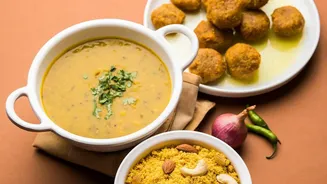
The temptation for raw salads and cold foods might be high, but monsoon is the season to prioritise warm, freshly cooked meals. The high humidity increases the risk of microbial contamination on raw vegetables and pre-cut fruits. Steaming, boiling, and sautéing vegetables not only kills harmful bacteria but also makes the food easier to digest. A comforting bowl of moong dal khichdi is considered an almost perfect monsoon meal—it's light, provides a complete protein, and is incredibly easy on the digestive system. Similarly, warm vegetable soups are hydrating, nutritious, and gentle on the gut.
Choose Seasonal Fruits Wisely
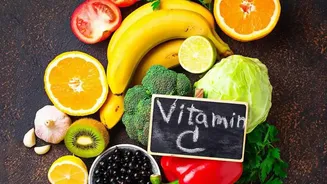
While fruits are essential, making the right choices is key during monsoon. Opt for seasonal offerings like jamun, pears, pomegranates, and plums. Jamun is rich in Vitamin C and iron, which helps boost immunity. Pomegranates are packed with antioxidants that help fight infection. It's crucial to wash all fruits thoroughly before consumption. Experts often advise against consuming fruits with very high water content, like watermelon, and avoiding pre-cut fruits sold by street vendors to minimize the risk of waterborne illnesses.
Prioritise Gut Health with Probiotics
A healthy gut is the foundation of a strong immune system. The probiotics found in fresh, homemade curd (yoghurt) and buttermilk are excellent for maintaining healthy gut flora. This helps in better digestion and absorption of nutrients, and also strengthens your body's ability to fight off pathogens. However, Ayurvedic principles suggest consuming curd during the daytime and avoiding it at night, as it can be heavy and lead to mucus buildup when digestion is slower. A simple bowl of room-temperature curd with lunch can be very beneficial.
Stay Hydrated with Warm Beverages
Proper hydration is always important, but during the monsoon, how you hydrate matters. Drinking boiled or filtered water is non-negotiable to avoid waterborne diseases. Swapping cold drinks for warm herbal teas can make a huge difference. Teas made with tulsi (holy basil), ginger, or cinnamon not only keep you warm but also have inherent antimicrobial and immunity-boosting properties. These warm fluids help flush out toxins, soothe a sore throat, and aid digestion.