


What You’re Seeing in the Sky
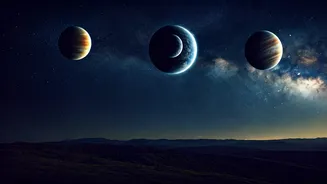
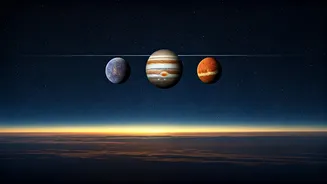
What you’re witnessing is a planetary conjunction, an event where two or more planets appear to be very close together in the sky from our vantage point on Earth. It’s important to remember this is a line-of-sight illusion. The planets are not actually
close to each other in space; they remain hundreds of millions of kilometres apart on their own distinct orbits. But from our perspective, their paths across our sky momentarily align, creating a striking celestial arrangement. These events are not just beautiful; they have captivated humans for millennia, often seen as signs and wonders. Tonight’s trio involves two of the brightest planets, Venus and Jupiter, and the famously elusive Mercury, making it a particularly rewarding sight for sky-gazers of all levels.
When and Where to Look
Timing and location are everything for spotting this planetary trio. The best viewing window will open shortly after sunset. You’ll want to look towards the west-southwest horizon, the same direction where the sun just dipped below the skyline. The show begins as the sky darkens from a deep blue to twilight black. Be ready about 30 to 45 minutes after the official sunset time in your city. This window is crucial, especially for catching Mercury, which is always close to the sun and is quickly lost in its glare or dips below the horizon. The entire formation will be relatively low in the sky, so an unobstructed view of the western horizon is essential. Find a spot with no tall buildings or trees blocking your view.
How to Identify Each Planet
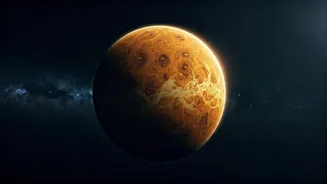
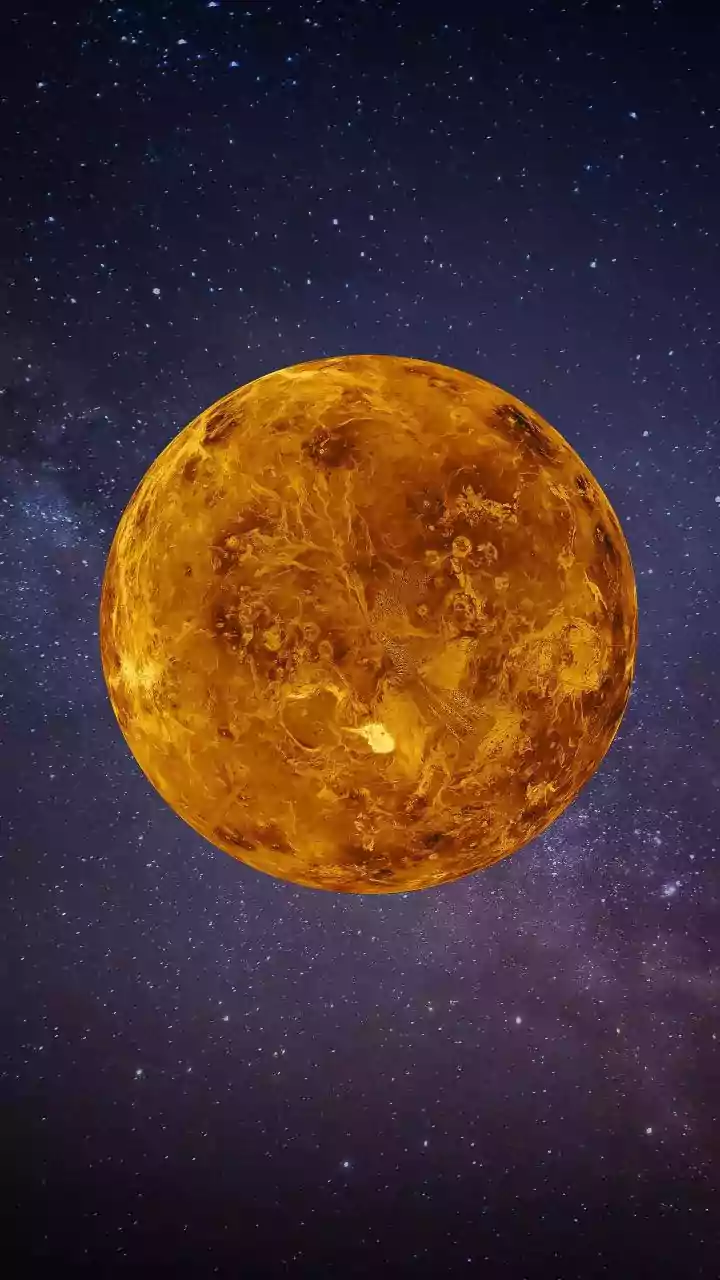
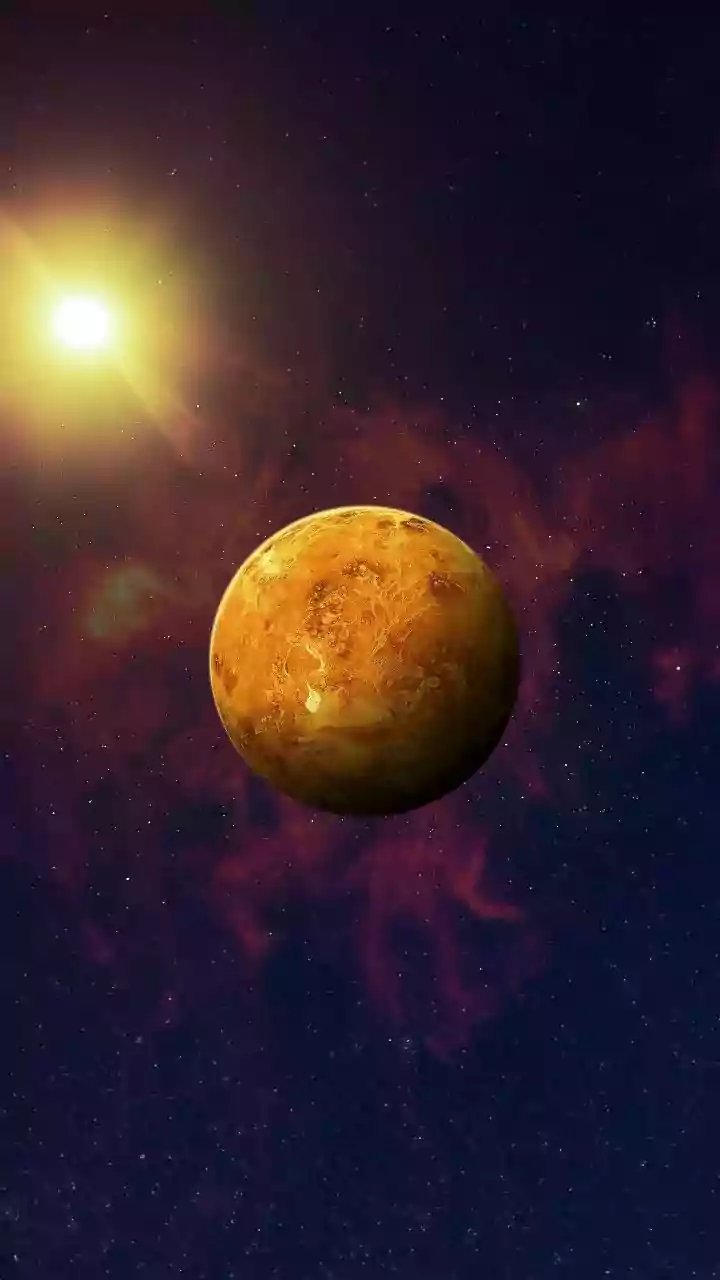
Distinguishing the planets is easier than you might think, thanks to their differing brightness. The first one you’ll spot, without a doubt, will be Venus. It will be the most brilliant, dazzling object in that part of the sky, looking like an incredibly bright, un-twinkling star. Once you’ve located Venus, look nearby for Jupiter. While not as blindingly bright as Venus, Jupiter will still be the second-brightest point of light in the vicinity, shining with a steady, regal glow. The real challenge, and thrill, is spotting Mercury. It will be the faintest of the three and positioned closest to the horizon. You will need to scan the area just below and to the side of the other two planets. Its faintness and proximity to the twilight glow make it tricky, but finding it completes the celestial trio.
Do You Need a Telescope?
The wonderful thing about this particular conjunction is that you don’t need any special equipment to enjoy it. Venus and Jupiter are two of the brightest objects in our night sky, and even Mercury will be visible to the naked eye under good conditions (clear skies, low light pollution). A telescope is not necessary for simply spotting the alignment. However, if you have a pair of binoculars, you should absolutely bring them along. Binoculars will make Mercury much easier to pick out from the twilight haze. More excitingly, they can enhance your view of Jupiter. With a steady hand or a tripod, even a standard pair of binoculars is often powerful enough to reveal Jupiter’s four largest moons—Io, Europa, Ganymede, and Callisto—appearing as tiny pinpricks of light in a neat line on either side of the planet.
Tips for the Best Viewing Experience
To make the most of this cosmic event, a little preparation goes a long way. First, try to get away from city lights. The darker your location, the more vivid the planets will appear, and the easier it will be to spot faint Mercury. Give your eyes at least 15 minutes to adjust to the darkness; avoid looking at your bright phone screen. Second, be patient. The planets will become more distinct as the sky darkens. If you're new to stargazing, consider using a sky-mapping app on your phone (like Stellarium or SkyView). You can point it at the sky, and it will identify the planets for you, confirming your observations. Finally, make it a shared experience. Bring friends or family along. There’s a special kind of magic in sharing a moment of cosmic wonder with others.