

The Ultimate Logistical Challenge
For missions to the Moon or Mars, astronauts can’t simply get a resupply delivery. Every kilogram of water, food, and oxygen launched into space costs an immense amount of money and fuel. For a multi-year mission, the sheer volume of supplies required
would be logistically impossible to launch. A crew of four, for instance, can generate over 2,500 kilograms of waste in a single year. Historically, spacecraft were designed with open systems: use something once and discard it. But for humanity to have a sustained presence beyond low-Earth orbit, this approach is a dead end. This is where the concept of a 'closed-loop' system becomes not just an innovation, but a necessity.
Closing the Loop with ECLSS
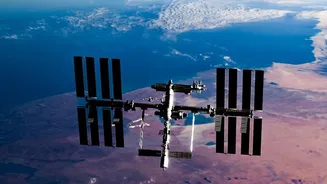
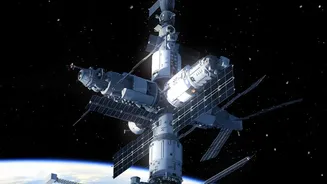
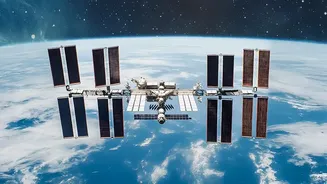
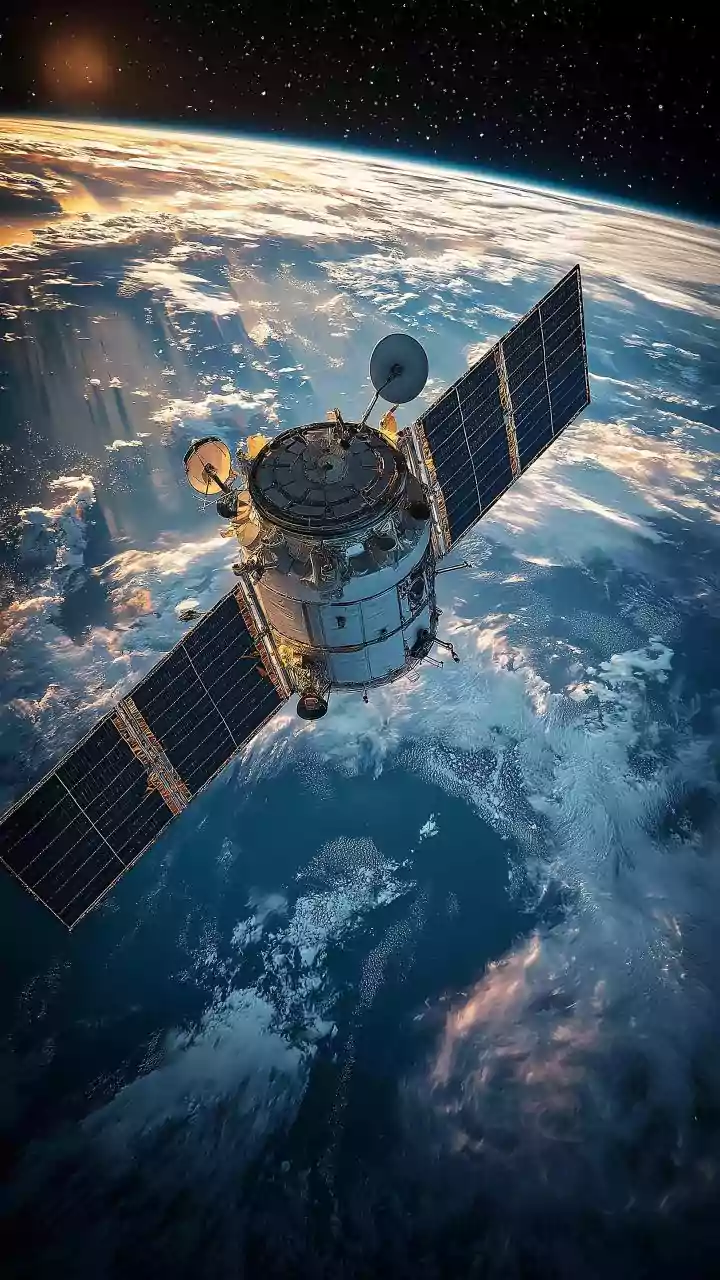
The heart of modern orbital habitats like the International Space Station (ISS) is the Environmental Control and Life Support System, or ECLSS. This collection of advanced hardware is designed to perform the functions that ecosystems do on Earth: providing clean air and water. The goal is to recycle as much as possible, reducing the reliance on costly resupply missions. The ECLSS is a marvel of engineering, managing atmospheric pressure, filtering contaminants, controlling temperature, and, most importantly, recovering vital resources. It’s the technology that turns a fragile outpost into a livable environment, paving the way for future deep-space habitats.
From Yesterday's Coffee to Tomorrow's Coffee
Water is heavy, and astronauts need it for drinking, food preparation, and hygiene. On the ISS, the Water Recovery System demonstrates the power of recycling by reclaiming nearly 98% of all water. This system collects wastewater from every possible source, including the crew's breath and sweat that condenses on cabin walls, and even urine. The collected liquid goes through a sophisticated purification process, resulting in potable water that often exceeds the purity standards of municipal water on Earth. Recent innovations like the Brine Processor Assembly further enhance this efficiency, ensuring that almost no water is wasted. This capability drastically cuts down the amount of water that needs to be launched from Earth.
Creating Breathable Air in a Vacuum
In the confined space of a station, the carbon dioxide exhaled by the crew would quickly become toxic. The Air Revitalization System constantly scrubs CO2 from the air. But the system does more than just remove a waste product. Through a process called electrolysis, the Oxygen Generation System splits recovered water into its component parts: hydrogen and oxygen. The oxygen is released back into the cabin for the crew to breathe. Newer systems, like the European Space Agency's Advanced Closed Loop System, can even take the captured carbon dioxide and react it with hydrogen to produce more water, which can then be used to generate even more oxygen, closing the loop further.
The Next Frontier: Turning Trash into Treasure
While water and air recycling are well-established, the next major leap is in handling solid waste. Currently, trash on the ISS is compacted and stored for disposal on departing cargo vehicles. For future Mars missions, that's not an option. NASA and other agencies are developing technologies to convert waste into valuable resources. Projects like the Orbital Syngas Commodity Augmentation Reactor (OSCAR) aim to process trash and human waste in a high-temperature reactor to produce water and useful gases like methane, which could be used as fuel. Other initiatives focus on recycling plastics from packaging and old parts into feedstock for 3D printers, allowing crews to manufacture their own tools and spare parts on demand. This turns a liability—waste—into a critical asset.