




Why Smaller is Smarter
When it comes to training treats, size is about more than just calories; it’s about effectiveness. The goal of a training reward is to give your dog a quick, positive reinforcement before moving on to the next repetition. A treat that is too large can
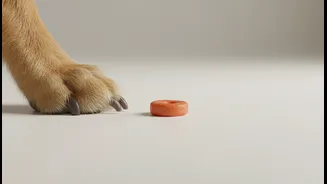
turn a fast-paced training session into a lengthy snack break, causing your dog to lose focus. Most professional trainers and veterinarians recommend treats that are pea-sized or even smaller. For many dogs, the frequency of rewards is more motivating than the size of a single treat. A small, tasty morsel that can be swallowed quickly keeps your dog engaged and ready for what comes next, allowing for dozens of successful repetitions in a single session.
The 10 Percent Rule
The most important guideline for doling out treats is the 10 percent rule, a recommendation widely supported by veterinarians. This rule states that treats should make up no more than 10 percent of your dog's total daily caloric intake. The other 90 percent should come from their complete and balanced meals. Exceeding this limit doesn't just lead to weight gain; it can unbalance their diet, depriving them of essential nutrients found in their regular food. For example, a dog that needs 500 calories per day should get no more than 50 calories from treats. Reading the calorie information on treat packages is crucial, as those numbers can add up faster than many owners realise.
Choosing Healthy, Low-Calorie Options
Not all treats are created equal. For frequent training, look for options specifically designed to be low in calories, often under five calories per treat. Single-ingredient, freeze-dried meats like chicken or beef liver are often highly motivating and can be easily broken into tiny pieces. You can also turn to your own refrigerator for healthy rewards. Many dogs love the crunch of fresh vegetables like carrots or green beans, or small pieces of fruit like blueberries or apple slices (with seeds removed). These are not only low in calories but also provide extra nutrients. Just be sure to avoid foods that are toxic to dogs, including grapes, raisins, onions, and chocolate. Using your dog’s regular kibble can also be an effective and budget-friendly option, especially for food-motivated dogs.
The Risks of Too Many Treats
Overfeeding is one of the most common nutritional issues pets face, and it carries significant health risks. The most immediate consequence is obesity, which puts immense strain on a dog's body. This extra weight can lead to or worsen painful conditions like arthritis and other joint problems. Furthermore, it increases the risk of serious chronic diseases, including diabetes, heart disease, and respiratory issues. Studies have shown that maintaining a healthy weight can extend a dog's lifespan by up to two years. While giving a treat feels like an act of love, consistently overdoing it can unfortunately have the opposite effect on your dog’s long-term health and well-being.
Thinking Beyond Food Rewards
While food is a powerful motivator for many dogs, it’s not the only tool in your training toolkit. Incorporating non-food rewards can strengthen your bond and be just as effective. Enthusiastic verbal praise, a good ear scratch, or a belly rub can be a wonderful reward for a job well done. For playful pups, a short game of tug or fetch with a special toy reserved only for training can be an exciting prize. Another powerful tool is using "life rewards," which involve giving your dog access to something they want. For example, asking for a calm "sit" before you open the door to the garden or throw their favorite ball teaches valuable impulse control and uses their own desires as motivation. Mixing these rewards in with small food treats keeps training interesting and reduces your reliance on calories.