








After marathon negotiations that ran two days into overtime, the COP31 climate summit has concluded in a stalemate. The failure to reach a landmark agreement on phasing out fossil fuels has left the world asking: what went wrong, and what happens now?
High Hopes Meet A Hard Reality
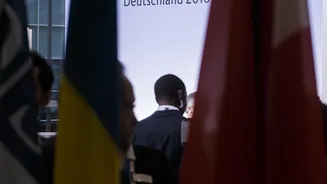
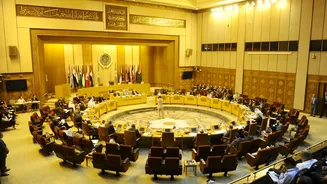
Delegates from nearly 200 nations gathered in Antalya, Türkiye, with a crucial goal: to build on previous commitments and forge a clear path away from fossil fuels, the primary driver of climate change. The summit, which ran from November 9 to November 22, was seen as a critical moment to translate promises into concrete action. However, the talks quickly became mired in familiar disputes. A revised draft of the main agreement, circulated on November 19, controversially removed direct language about phasing out fossil fuels, setting the stage for a dramatic collapse in consensus. The European Union, the UK, and numerous climate-vulnerable nations ultimately rejected the final proposed text, arguing it was a step backward and failed to address the urgency of the crisis.
The Great Divide: Fossil Fuels and Finance
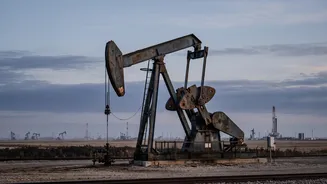
The central conflict revolved around the unwillingness of some nations to have any mention of fossil fuels in the final pact. Major oil and gas producing countries, including Saudi Arabia and Russia, reportedly blocked attempts to include stronger language. This created a deep division with a coalition of countries, including the EU and small island states, who insisted that a climate agreement that doesn't name the main cause of the problem is unconscionable. The other major sticking point was climate finance. Developing nations, including India, forcefully argued that developed countries, which are responsible for the bulk of historical emissions, have failed to provide adequate financial support for climate adaptation and mitigation efforts in the Global South. This failure to deliver on financial promises eroded trust and made agreement on emissions cuts even more difficult.
India's Stand: A Call for Equity and Justice
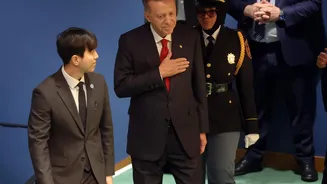
India played a significant role in the negotiations, advocating for a just and equitable transition. Environment Minister Bhupender Yadav emphasized the principles of 'climate justice' and 'Common but Differentiated Responsibilities', arguing that developing countries cannot be expected to shoulder an unfair burden for a crisis they did not create. India resisted calls for a blanket fossil-fuel phase-out without firm commitments on finance and technology transfer from developed nations, stating that its climate goals are dependent on receiving such support. At a crucial closing session, an Indian delegate, speaking for a group of developing countries, powerfully questioned who was responsible for exhausting the world's carbon budget, bringing the issue of historical responsibility to the forefront of the debate.
Were There Any Silver Linings?
While the failure to secure an overarching 'Antalya Pact' is a major blow, the summit was not a complete write-off. Progress was made on several specific issues. Agreements were reached on a work programme for a 'Just Transition', which aims to ensure fairness for workers and communities as economies move away from fossil fuels. There were also advances on the framework for the Global Goal on Adaptation and discussions on climate finance, though without the headline figures many had hoped for. Furthermore, a voluntary pledge to increase the share of electricity in global energy use to 35% by 2035 gained the support of dozens of countries, signalling continued momentum in the clean energy sector outside of the main negotiating text.
The Road From Antalya
The collapse of the talks, the first of its kind since Copenhagen in 2009, has been described as 'deeply disappointing' by UN Secretary-General António Guterres. It exposes the deep geopolitical fractures that continue to hamper collective climate action. Scientists and activists have expressed immense frustration, warning that the gap between what science says is necessary and what is politically possible is growing dangerously wide. The failure in Antalya places even greater pressure on individual nations and regional blocs to accelerate their own transitions. The formal negotiations will continue next year at COP32, but the fundamental disagreements over fairness, finance, and fossil fuels will undoubtedly remain, making the path forward more challenging than ever.