

The Science Behind the Reaction
Aluminium is a reactive metal. Normally, it's protected by a thin, tough layer of aluminum oxide that forms when it's exposed to air. This layer prevents it from reacting with most things. However, highly acidic or salty foods can break down this protective
shield. Ingredients like tomatoes, citrus fruits (lemons, limes), and vinegar contain acids that can dissolve the foil, causing small amounts of aluminium to leach into the food. This process is accelerated by heat, meaning cooking acidic foods in foil increases the leaching even more than simply storing them in the cold.
Which Foods Are a Concern?
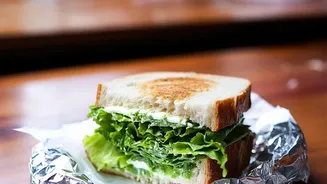
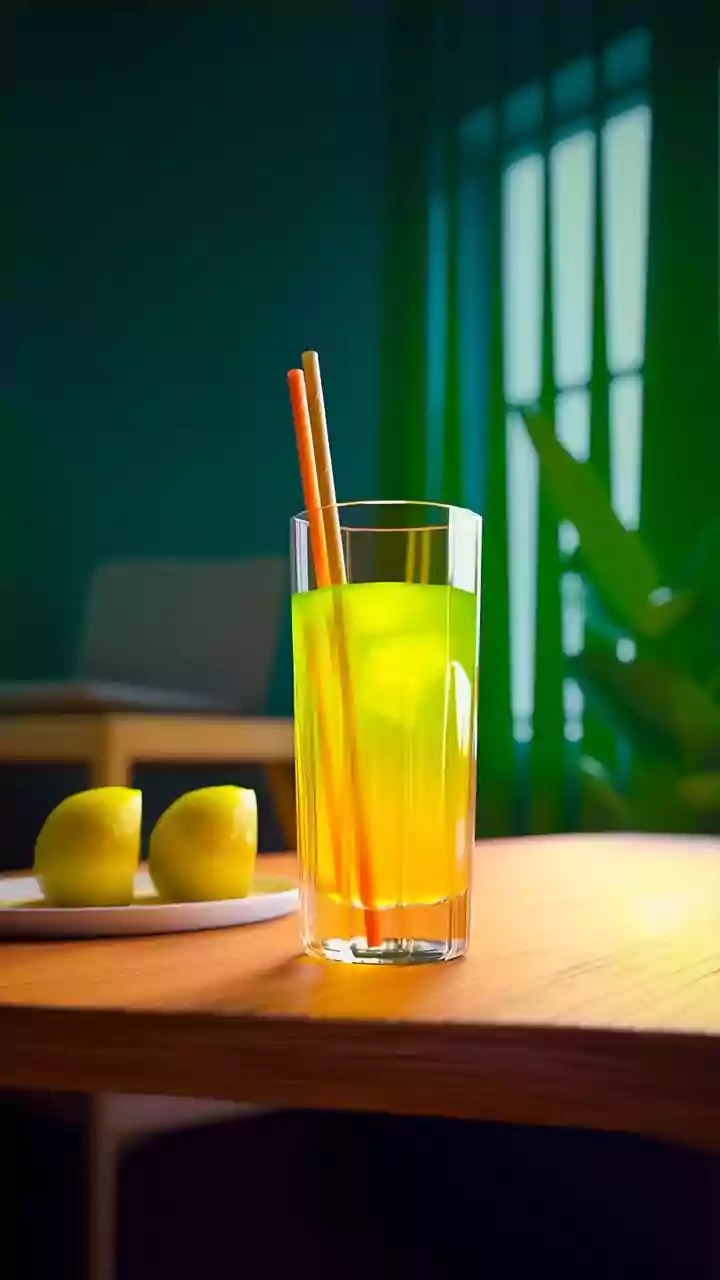
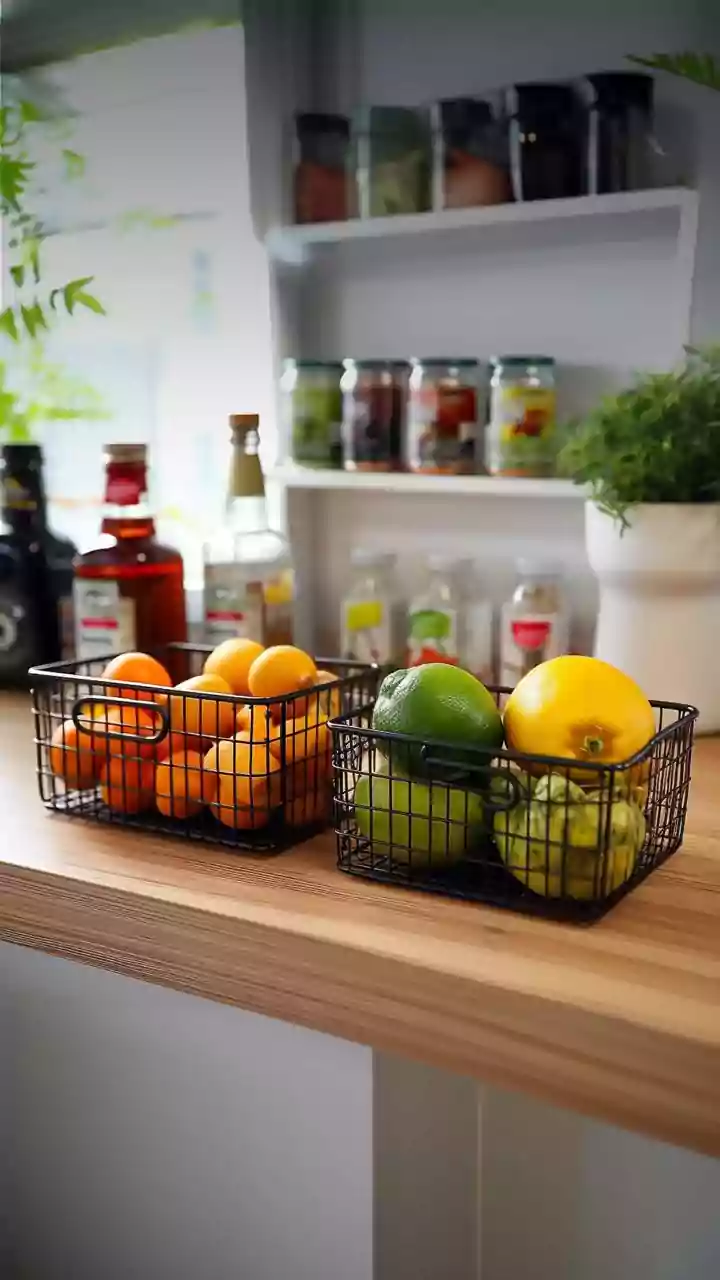
The main culprits are foods with high acidity or salt content. You should be mindful when storing tomato-based dishes like pasta sauces or lasagna, meals with a lot of lemon or lime juice, and anything containing vinegar, such as marinades or pickles. Salty foods can also contribute to this reaction. While briefly covering a dish to transport it is one thing, long-term storage of these types of leftovers wrapped tightly in foil is what poses the greatest concern, as it gives the chemical reaction more time to occur.
Is Leached Aluminium Harmful?
Our bodies are exposed to small amounts of aluminium daily through food, water, and even some medications. Healthy kidneys are very efficient at filtering out and excreting the vast majority of the aluminium we ingest. Health authorities have established a Tolerable Weekly Intake (TWI) to guide safety. The European Food Safety Authority (EFSA) set a TWI of 1 milligram of aluminium per kilogram of body weight. While studies show that cooking with foil can increase the aluminium content in a meal, occasional use is unlikely to pose a significant risk for healthy individuals. However, since it's possible for some people's intake to exceed the TWI, minimising avoidable exposure is a sensible precaution.
The Role of Time and Temperature
The amount of aluminium that transfers to your food is influenced by several factors, with time being a critical one. The longer acidic food is in contact with foil, the more leaching can occur. This is why experts recommend using foil only for short-term storage with these foods, if at all. High temperatures significantly speed up the reaction, which is why cooking acidic dishes in or on foil is more of a concern than cold storage. You might even see physical evidence of the reaction, such as tiny holes or a dull, corroded appearance on foil that has been in contact with something acidic for a while.
Safer Storage Alternatives
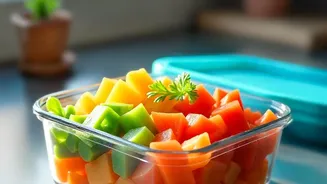
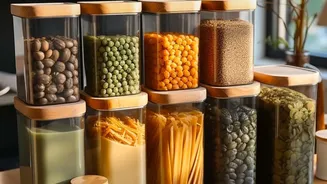
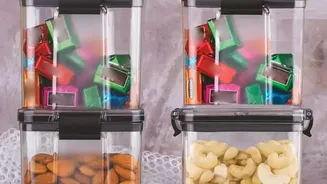
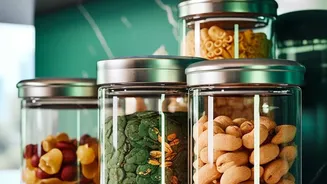
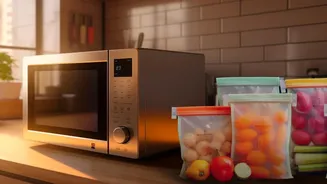
The good news is that there are plenty of simple and safe alternatives for storing your acidic leftovers. Glass containers are an excellent choice because glass is non-reactive (inert) and won't leach anything into your food. They are also durable, reusable, and typically microwave-safe. Airtight plastic containers or even plastic wrap can also be used, as they provide a good seal without the risk of a chemical reaction. For cooking, using glass or ceramic dishes is a great alternative to lining a pan with foil when acidic ingredients are involved. If you must use foil to cover an acidic dish in a metal pan, you can create a barrier by placing a sheet of parchment paper between the food and the foil.