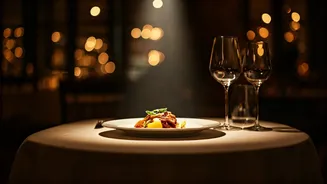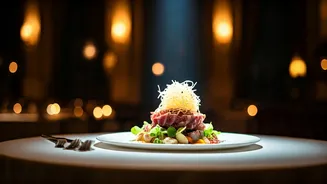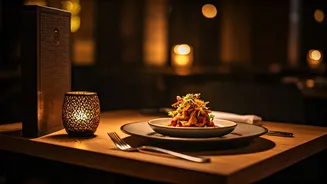



More Than a Meal, It's a Performance
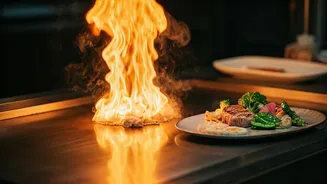
Live food theatre, often called experiential or interactive dining, transforms a regular meal into an immersive event. It’s a space where the kitchen is no longer hidden away. Instead, the preparation is the main attraction. Think of a Japanese teppanyaki
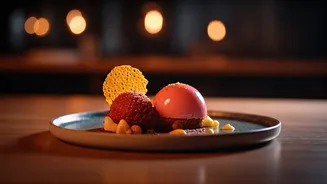
chef masterfully flipping knives and searing ingredients on a hot grill right before your eyes, a mixologist crafting a smoking cocktail at your table, or a pastry chef assembling an elaborate dessert that looks like a piece of art. The goal is to engage all the senses—the sizzle of the pan, the aroma of the spices, the visual flair of the chef—making diners active participants rather than passive consumers. This approach turns the chef into a storyteller and the meal into a memorable narrative.
The Allure of the Open Kitchen
The trend is particularly resonant in India, where a growing number of diners are seeking unique experiences. According to industry reports, a significant percentage of Indian guests prefer dining concepts that feature live entertainment and interactive elements like open kitchens or direct engagement with chefs. This desire stems from multiple factors. Firstly, there's the element of trust and transparency; watching your food being prepared assures you of its freshness and quality. Secondly, it creates a powerful connection between the diner and the chef, breaking down the traditional barrier and fostering a sense of community and appreciation for the craft. This is especially appealing as consumers increasingly value experiences over mere possessions.
A Cure for the Common Dinner
The rise of live food theatre can also be seen as a reaction to the years spent ordering in. After a period where convenience was king, people are now craving novelty and social engagement that cannot be replicated at home. Restaurants are becoming destinations for 'eatertainment'—a blend of eating and entertainment designed to be memorable. This is amplified by social media, where visually stunning and interactive dining moments are prime content. Younger generations, in particular, are driven by the desire to share experiences that feel exclusive and special, and restaurants are designing these moments to be inherently 'Instagrammable'. The result is a win-win: diners get a fantastic story to tell, and restaurants gain invaluable word-of-mouth marketing.
From Grills to Gastronomy
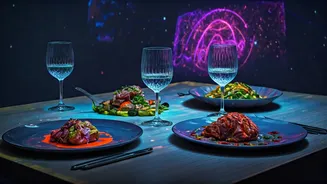
In India, live food theatre manifests in various exciting forms. Teppanyaki grills at restaurants in Delhi, Bengaluru, and Mumbai have long been a classic example, offering a fiery spectacle alongside delicious food. But the trend has evolved. High-end establishments now offer chef's tables where guests are given a front-row seat to the culinary genius in Michelin-calibre kitchens. Molecular gastronomy adds a dash of scientific magic, with chefs using techniques to create foams, gels, and spheres that play with texture and perception. Even the bar has become a stage, with mixologists employing dramatic techniques to craft bespoke cocktails. Omakase experiences, where diners entrust their entire meal to the chef, also feature this live element, with each course presented and explained personally.
An Experience Worth Paying For
These elevated experiences often come with a premium price tag, but for many curious diners, the value is clear. You're not just paying for ingredients; you're paying for the skill, the performance, and the memory. The ability to customize your meal and interact with the person making it adds a layer of personalization that standard dining often lacks. As the restaurant industry becomes increasingly competitive, operators are realizing that the future lies in selling an experience, not just a product. Food quality remains paramount, but the theatre surrounding it is what transforms a simple dinner into an unforgettable event.