



The Unseen Storm of Deep Space
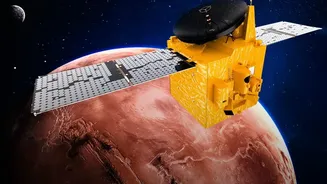
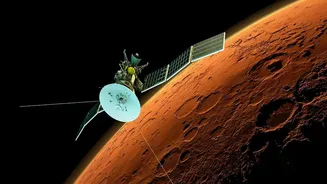
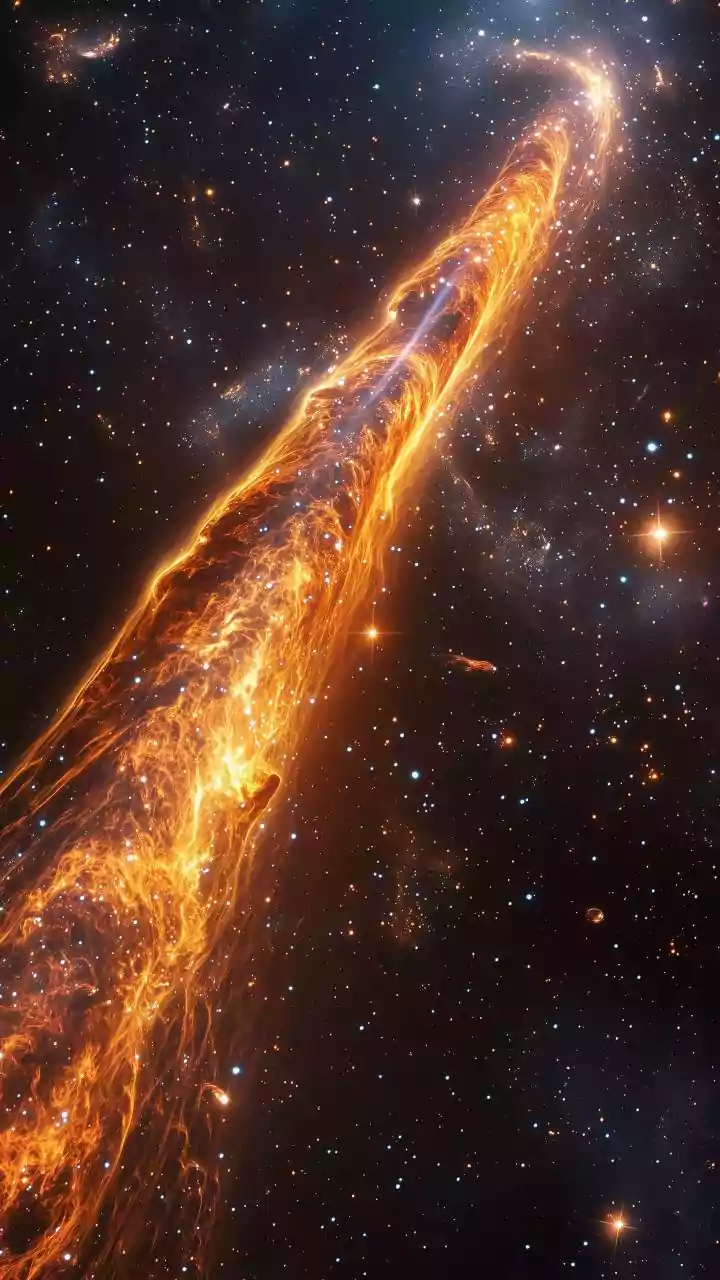
Once a spacecraft leaves the protective bubble of Earth's magnetic field, it enters a harsh environment filled with radiation. This isn't like the radiation from a dental X-ray; it's a constant, complex storm of high-energy particles. There are two main
types to worry about. The first is Galactic Cosmic Rays (GCRs), which are the remnants of distant supernova explosions. These are heavy, highly-charged atomic nuclei traveling at nearly the speed of light. The second threat comes from our own sun in the form of Solar Proton Events (SPEs), which are unpredictable bursts of lower-energy particles tied to solar flares. Outside Earth’s protection, astronauts are exposed to both, creating a significant health challenge for any long-duration mission.
Why Robots Are Built for the Challenge
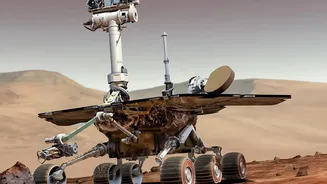
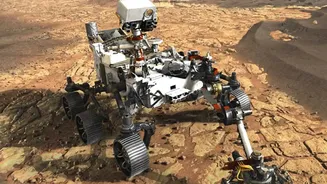
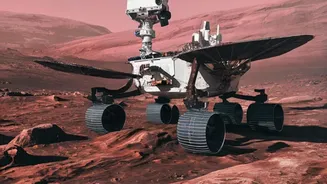
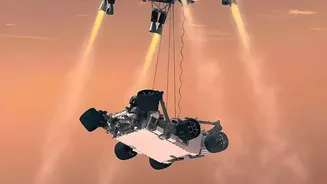
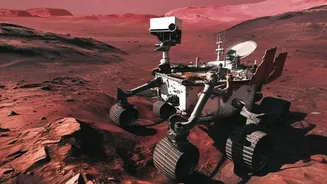
Mars is currently inhabited only by robots, and for good reason. Machines like the Curiosity and Perseverance rovers are designed to withstand the Red Planet's harsh environment. Their electronics are 'radiation-hardened'. This involves using specific materials, shielding critical components, and designing circuits that are less susceptible to damage from high-energy particles. While intense radiation can still cause glitches or degrade systems over time, robots don't suffer from biological damage. They don't get cancer or suffer from central nervous system decay. Their mission is to collect data, and as long as their core systems function, they can continue their work for years, far longer than a human could safely stay in such an environment without heavy protection.
The Human Body Under Siege
For humans, the story is starkly different. The same GCRs and SPEs that a robot can weather pose a serious threat to our health. NASA has identified several major risks from prolonged exposure, including a significantly increased lifetime risk of cancer. These high-energy particles act like microscopic bullets, tearing through DNA and damaging cells in ways that the body cannot always effectively repair. Beyond cancer, there are concerns about damage to the central nervous system, which could lead to cognitive and memory problems. Other potential long-term effects include degenerative tissue damage, such as cataracts and cardiovascular disease. During a single round-trip Mars mission, which could last up to three years, an astronaut could be exposed to radiation levels hundreds of times greater than on Earth, potentially exceeding career safety limits in one trip.
A Problem of Time and Shielding
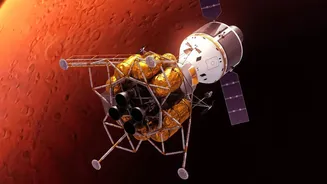
The core of the problem is the duration of the journey. A trip to Mars takes six to nine months each way, plus any time spent on the surface, where the thin atmosphere and lack of a global magnetic field offer little protection. This prolonged exposure is what makes the cumulative dose so dangerous. The International Space Station (ISS) orbits within Earth's magnetosphere, which shields astronauts from the worst of the radiation. In deep space, that protection is gone. Traditional shielding, like a thick aluminum hull, isn't a simple solution. When high-energy GCRs strike materials like aluminum, they can create a shower of secondary radiation particles that can sometimes be even more harmful. This means simply building thicker walls is not only prohibitively heavy and expensive to launch, but it might not even solve the problem effectively.
The Search for a Solution
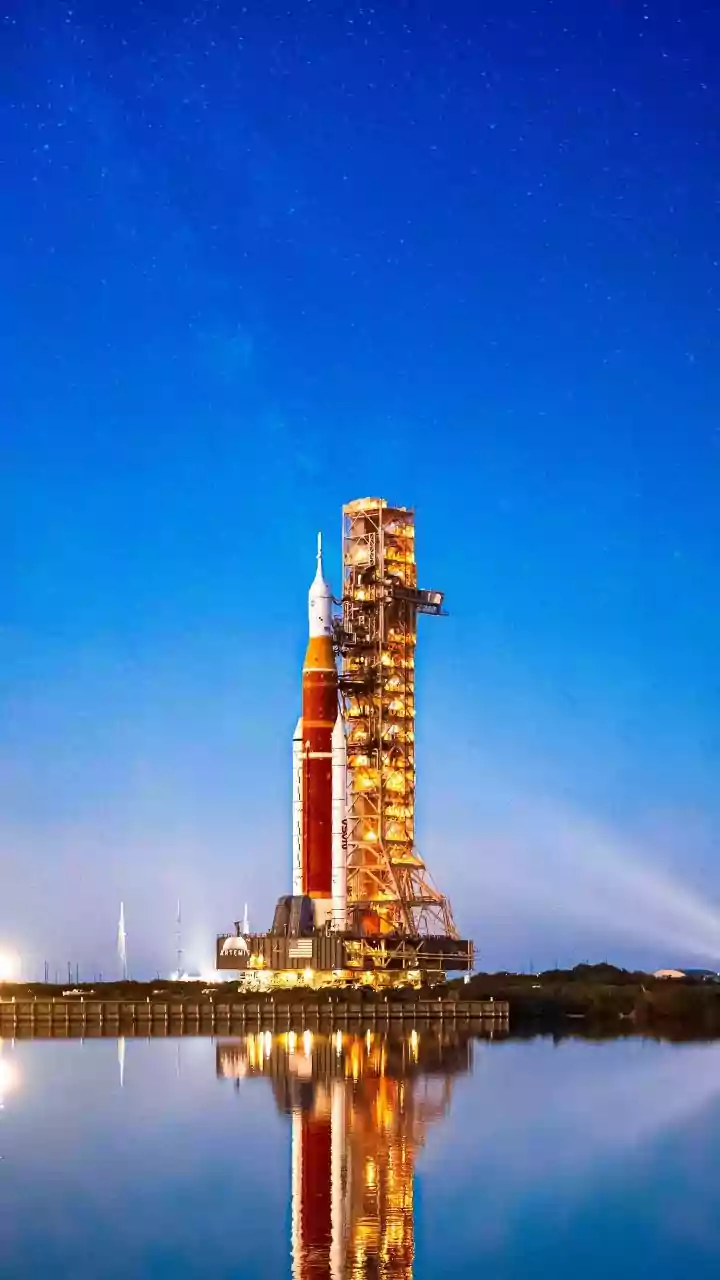
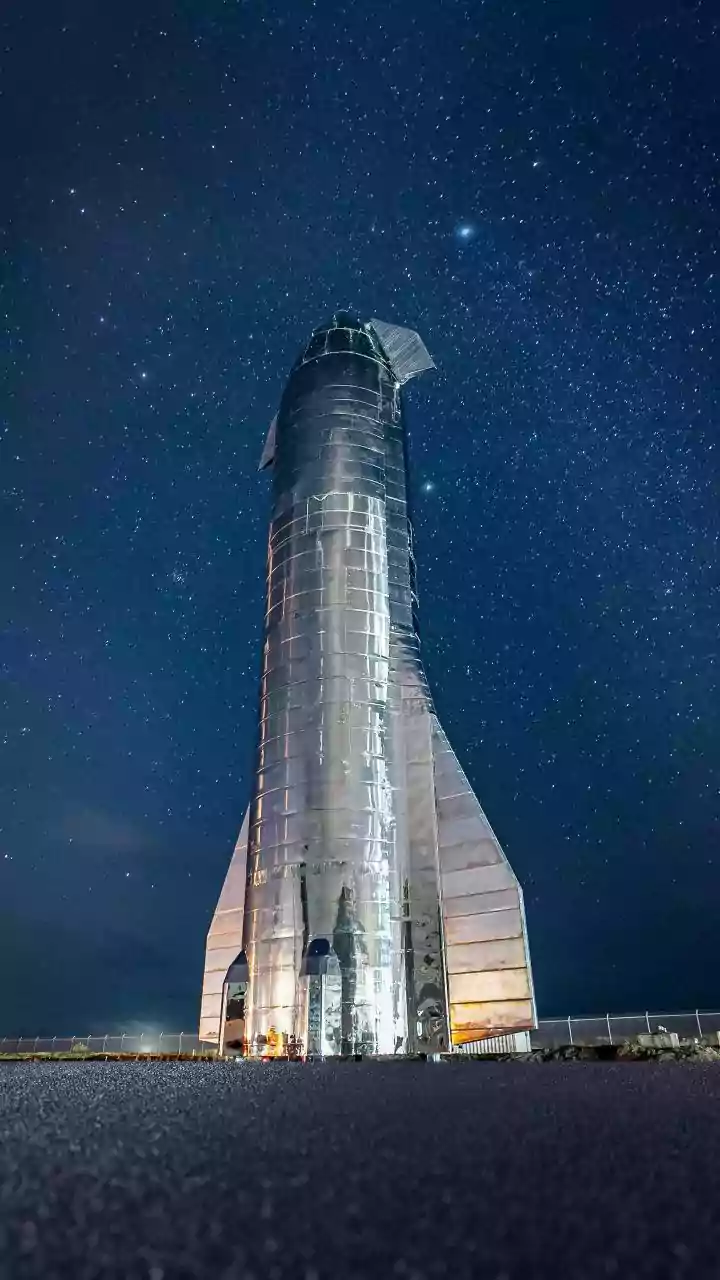
Solving the radiation problem is one of the biggest technological hurdles for human Mars exploration. Researchers are exploring multiple avenues. One idea is to develop better passive shielding materials, such as those rich in hydrogen like water or polyethylene, which are more effective at stopping GCRs without creating as much secondary radiation. Another strategy is to build a 'storm shelter' in a shielded part of the spacecraft where astronauts can retreat during intense solar events. More futuristic concepts include 'active shielding', which would use powerful magnetic fields to deflect incoming particles, much like Earth's magnetosphere does. Perhaps the most practical approach is simply to get there faster. Advanced propulsion systems, such as nuclear thermal rockets, could cut the transit time to Mars, thereby reducing the total radiation dose an astronaut receives.