






The Purity Question: 24K vs. 22K
The first major difference lies in purity. Gold coins are almost always made of 24 Karat (24K) gold, which is 99.9% pure. This makes them the purest form of physical gold you can own. Jewellery, on the other hand, is typically crafted from 22 Karat (22K)
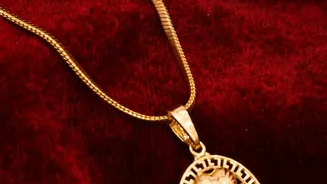
or 18 Karat (18K) gold. 22K gold, for instance, contains 91.6% pure gold, with the rest being alloys like silver, zinc, or copper that add strength and durability. While this alloy makes jewellery sturdy enough for daily wear, from a pure investment standpoint, the higher the purity, the greater the intrinsic value. If your primary goal is to own gold in its most unadulterated form, the coin is the clear winner.
Making Charges: The Hidden Cost
This is where the financial difference becomes most stark. Making charges, the cost of crafting raw gold into a finished product, are significantly higher for jewellery than for coins. Intricate designs, handiwork, and the complexity of creating an ornament mean making charges for jewellery can range from 8% to over 25% of the gold's value. In contrast, machine-minted gold coins have minimal making charges, often between 3% and 11%. This is a crucial point because when you sell your gold, the making charges are not recovered. The buyer pays only for the weight and purity of the gold, meaning the high making charges on jewellery are a sunk cost that directly impacts your returns.
Resale Value and Liquidity
Because they are valued almost entirely on their weight and high purity, gold coins offer better resale value and liquidity. They can be easily sold to any jeweller or certified dealer at a price very close to the prevailing market rate. Selling jewellery is more complicated. The jeweller will melt it down to assess its exact purity, and you will lose the value of the making charges and any semi-precious stones. Some jewellers may even offer a better buy-back rate only for pieces originally purchased from their store, limiting your options. For an investor looking for an asset that can be converted to cash easily and with minimal loss, a gold coin is a more efficient vehicle.
The Irreplaceable Emotional and Aesthetic Value
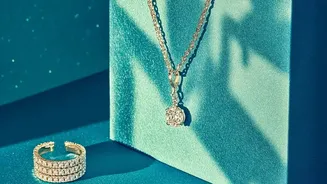
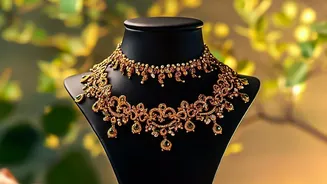
While coins win on financial metrics, they cannot compete with the emotional and aesthetic appeal of jewellery. Gold ornaments are meant to be worn and enjoyed; they are symbols of celebration, tradition, and personal style. A necklace or a pair of bangles passed down through generations carries immense sentimental value that a coin in a locker simply cannot replicate. For many, especially during festivals like Dhanteras and Diwali, buying jewellery is an act of celebrating tradition and bringing home a beautiful object that will be cherished and used. If the purpose is adornment or gifting something personal, jewellery is the undisputed choice.
The Importance of Hallmarking
Regardless of whether you choose a coin or an ornament, ensuring its authenticity is paramount. In India, the Bureau of Indian Standards (BIS) hallmark is a certification of purity. It is now mandatory for jewellers to sell hallmarked gold articles. The hallmark consists of the BIS logo, the purity grade (e.g., 22K916 for 22K gold), and a unique six-digit alphanumeric code called the Hallmark Unique Identification (HUID) number. Always check for the BIS hallmark on any gold item you purchase to protect yourself from buying gold of lower purity than stated.