



The Limits of a Raincoat
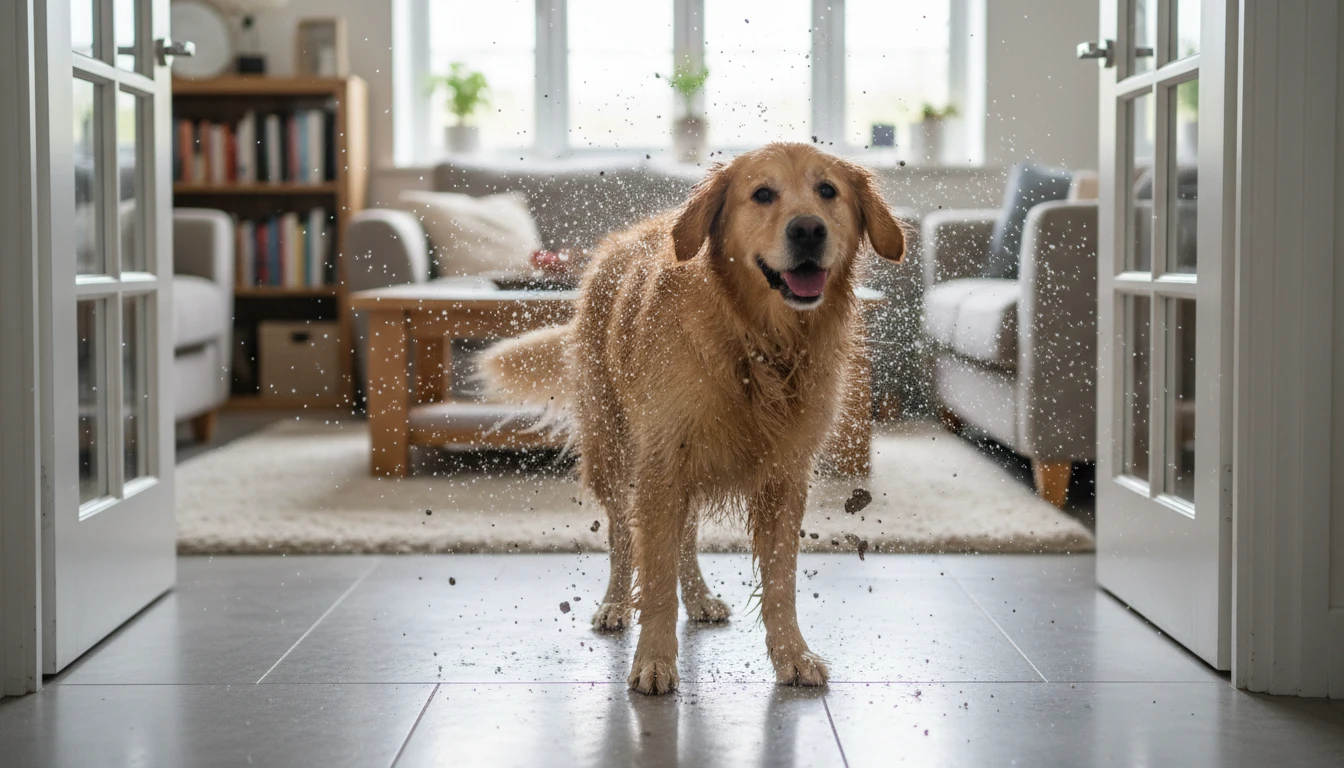
A raincoat is an excellent tool for keeping a dog's back and core relatively dry during a downpour. However, it’s not a complete solution. Water inevitably splashes onto their underbelly, legs, paws, and tail, areas a coat rarely covers. For dogs with
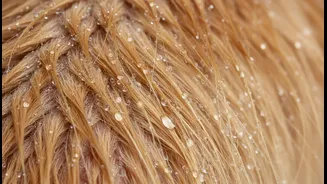
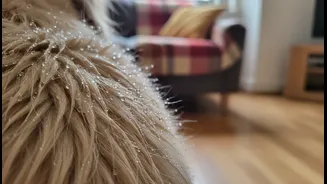
long or double coats, moisture can seep into the undercoat and remain trapped for hours, even if the surface feels dry. This lingering dampness, often invisible to a quick glance, is where potential problems begin, turning the warm space against your dog's skin into a breeding ground for bacteria and yeast.
The Hidden Dangers of a Damp Dog
A dog's skin has a delicate natural balance that is disrupted by prolonged moisture. This can lead to a host of uncomfortable and sometimes painful conditions. One of the most common issues is acute moist dermatitis, better known as 'hot spots'. These are painful, red, and oozing sores that can appear suddenly and spread rapidly when bacteria proliferate on damp skin. Fungal and yeast infections, like Malassezia dermatitis, also thrive in these conditions, causing itchy, greasy, and foul-smelling skin. Furthermore, damp fur can become matted, pulling on the skin and creating a painful situation that can restrict blood flow and hide parasites. In colder weather, a wet coat can also prevent a dog from regulating its body temperature, increasing the risk of chills or even hypothermia.
Your Post-Walk Drying Toolkit
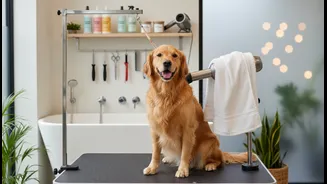
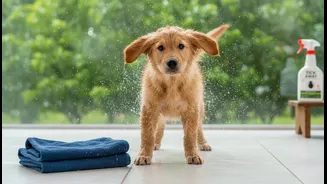
To combat the risks of a damp dog, having the right tools on hand is essential. Forget the standard cotton bath towel, which often just pushes water around and becomes saturated quickly. Instead, invest in a set of highly absorbent microfiber or chenille towels specifically for your dog. These materials can hold significantly more water and wick it away from the fur more effectively. For dogs with thick, dense coats, a high-velocity pet dryer can be a game-changer. These are not the same as human hair dryers; they use powerful, cool air to blow water out of the coat rather than using heat, making them safer for a dog's sensitive skin. Another popular option is a wearable drying coat or bag, which is put on the dog after a preliminary towel-off and absorbs moisture while they rest.
A Step-by-Step Drying Routine
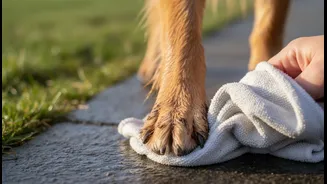
An effective drying routine doesn't need to be time-consuming, but it does need to be thorough. Start the moment you get inside. First, use your absorbent towel to blot and squeeze the water out of your dog’s fur. Avoid vigorous rubbing, which can cause tangles and matting, especially in long-haired breeds. Work systematically from their head to their tail, paying special attention to areas that trap moisture, like their armpits, groin, ears, and between their paw pads. Once you've removed the excess water with a towel, you can either put them in a drying coat or move on to a pet-specific blow dryer. If using a dryer, keep it on a low, cool setting and hold it at a distance, continuously moving it to prevent concentrating air on one spot for too long.
Special Considerations for Different Coats
Not all coats are created equal when it comes to drying. Short-coated breeds may only require a vigorous towel-drying session. However, breeds with double coats, like Golden Retrievers and German Shepherds, or those with curly hair, like Poodles and Doodles, require more diligence. For these dogs, the undercoat can remain damp long after the topcoat feels dry. This is where a high-velocity dryer is most valuable, as it can penetrate deep into the coat to remove trapped moisture that a towel can't reach. Regularly brushing these breeds also helps to separate the hairs, improve air circulation, and speed up drying time. Proper drying isn't just about comfort; it's a critical part of coat maintenance and preventing skin issues.