


The End of Paper, The Start of Digital
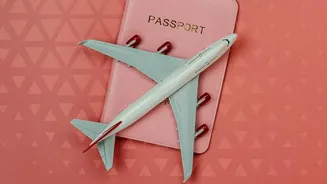
The United Kingdom has officially phased out physical visa documents like BRP cards and passport vignettes for most travellers, including those from India. This move, completed over several years, shifts all immigration data to a secure, online system.
Your permission to travel, work, or study in the UK is no longer a sticker in your passport but a digital record called an eVisa, which is electronically linked to your passport. The primary goals of this shift are to enhance security, prevent document fraud, and streamline the immigration process at the border. For the more than 500,000 Indians who receive UK visas annually, understanding this new system is now essential for any travel plan.
How the New eVisa System Works for Indians
The visa application process itself remains familiar in some ways. Indian applicants must still complete the form online, pay the fee, and attend an appointment at a Visa Application Centre (VAC) to provide biometric information (fingerprints and a photo). However, a significant change is that you no longer need to leave your passport at the VAC during the processing period. Once your visa is approved, you won't receive a physical sticker. Instead, you'll get a notification and must create a UK Visas and Immigration (UKVI) account online. This account is where you can view your eVisa and all the conditions of your stay. Each traveller, including dependents like children, needs their own individual UKVI account to access their eVisa.
Your New Pre-Travel Checklist
Before you even book a flight, your new priority is to ensure your digital house is in order. The most critical step is to link your current, valid passport to your UKVI account. An eVisa linked to an old or expired passport will cause significant issues. Travellers are strongly advised to log into their UKVI account well before their travel date to verify that all personal details—name, date of birth, and nationality—are correct and match the passport they will be using. Any discrepancies could lead to airlines denying boarding, as they are now required to check for valid digital permission before departure. The UK government warns that it is the traveller's responsibility to keep these details updated.
At the Airport: The Digital Handshake
The "practical travel check" now happens digitally and automatically. When you present your passport at the airline check-in counter, the carrier's system communicates with the UK Home Office's database to confirm you have a valid eVisa and permission to travel. You don't need to show a printout, although having a 'share code' generated from your UKVI account can serve as a useful backup. Upon arrival in the UK, you simply present your passport to the Border Force officer or use the eGates if eligible. The officer can see your digital status instantly by scanning your passport. This eliminates the need for physical stamps or document checks, aiming for a faster, more seamless entry.
Potential Benefits and Known Issues
The stated benefits of the eVisa system are clear: a digital record cannot be lost, stolen, or tampered with like a physical BRP card. It provides a secure way to prove your rights instantly for things like employment or renting, not just travel. However, the transition has not been without problems. Migrant advocacy groups have highlighted a "Digital Status Crisis," where technical glitches, incorrect data, or difficulty accessing a UKVI account have left people unable to prove their lawful status. Cases of travellers being wrongly denied boarding or facing delays at the border due to system errors have been reported. This makes the pre-travel check of your UKVI account not just a recommendation, but a crucial step to avoid stress and complications.