






The Core of the Scam: Deception at a Glance
UPI’s growth has been meteoric, becoming the default payment method for everything from street food to online shopping. But this ubiquity has also attracted scammers who rely on speed and distraction to succeed. Their most common tactic isn't a complex
hack, but simple impersonation. Fraudsters create UPI IDs or QR codes that mimic legitimate businesses or individuals. They might pose as an electricity board official, a representative from a popular brand, or even a friend in need. They count on you being in a hurry, trusting the fake name they've provided, and authorising the payment without a second thought. This is where many people lose their money—not to a technical vulnerability, but to a well-crafted illusion.
Your Built-In Shield: The Verified Name Display
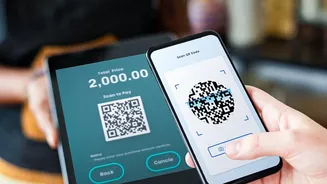
To combat this, the National Payments Corporation of India (NPCI) mandated a crucial safety feature across all UPI apps like Google Pay, PhonePe, and Paytm. Now, whenever you initiate a transaction by entering a UPI ID or scanning a QR code, the final confirmation screen before you enter your PIN must display the recipient's legal name as registered with their bank. This isn't a nickname or a custom alias set by the user; it is the official name linked to the bank account. This change effectively rips the mask off impersonators. The scammer pretending to be 'BigBasket Support' will be revealed as 'Suresh Kumar' on the confirmation screen, giving you an immediate and unmissable red flag.
How This Check Stops Impersonation Fraud Cold
The power of this feature lies in the mismatch it reveals. Scammers thrive on creating a believable story, and the verified name check shatters that story at the most critical moment. For instance, a fraudster might send you a fake invoice for your child's school fees with a QR code. You scan it, expecting to see 'Delhi Public School' on the payment screen. Instead, the name 'Amit Verma' appears. This discrepancy is your cue to cancel the transaction immediately. The same applies to fake customer support scams, where someone asks you to pay a fee to resolve an issue. By making it a habit to always check the registered name, you erect a powerful barrier against being tricked into paying the wrong person. It turns a moment of potential panic into a moment of clarity.
Why 'Completely' Is a Strong Word
While the headline claims this method 'completely' prevents fraud, it is essential to understand its scope. The name verification feature is nearly foolproof against impersonation fraud, where the scammer is pretending to be someone they are not. However, it cannot protect you from all types of scams. For example, if a fraudster convinces you to willingly pay their legitimate account for a fake product or service, the name check won't help because the name will match the scammer's real account. Similarly, it doesn't protect against other fraud types like SIM swapping or scams that trick you into approving a 'Collect Request' thinking you're receiving money. Remember, a UPI PIN is only ever needed to send money, never to receive it.
Building a Complete UPI Security Routine
The verified name check is your first and most important line of defence, but it should be part of a broader security mindset. First, never share your UPI PIN or OTP with anyone—no bank or company official will ever ask for it. Second, be extremely cautious of unsolicited payment requests or links sent via SMS and WhatsApp. Fraudsters often use 'Collect Requests' disguised as refunds or cashbacks. Third, only download UPI and banking apps from official sources like the Google Play Store or Apple App Store to avoid malicious software. Finally, regularly review your transaction history for any suspicious activity and report it to your bank and the national cybercrime helpline (1930) immediately.