






The New Crackdown on Noise
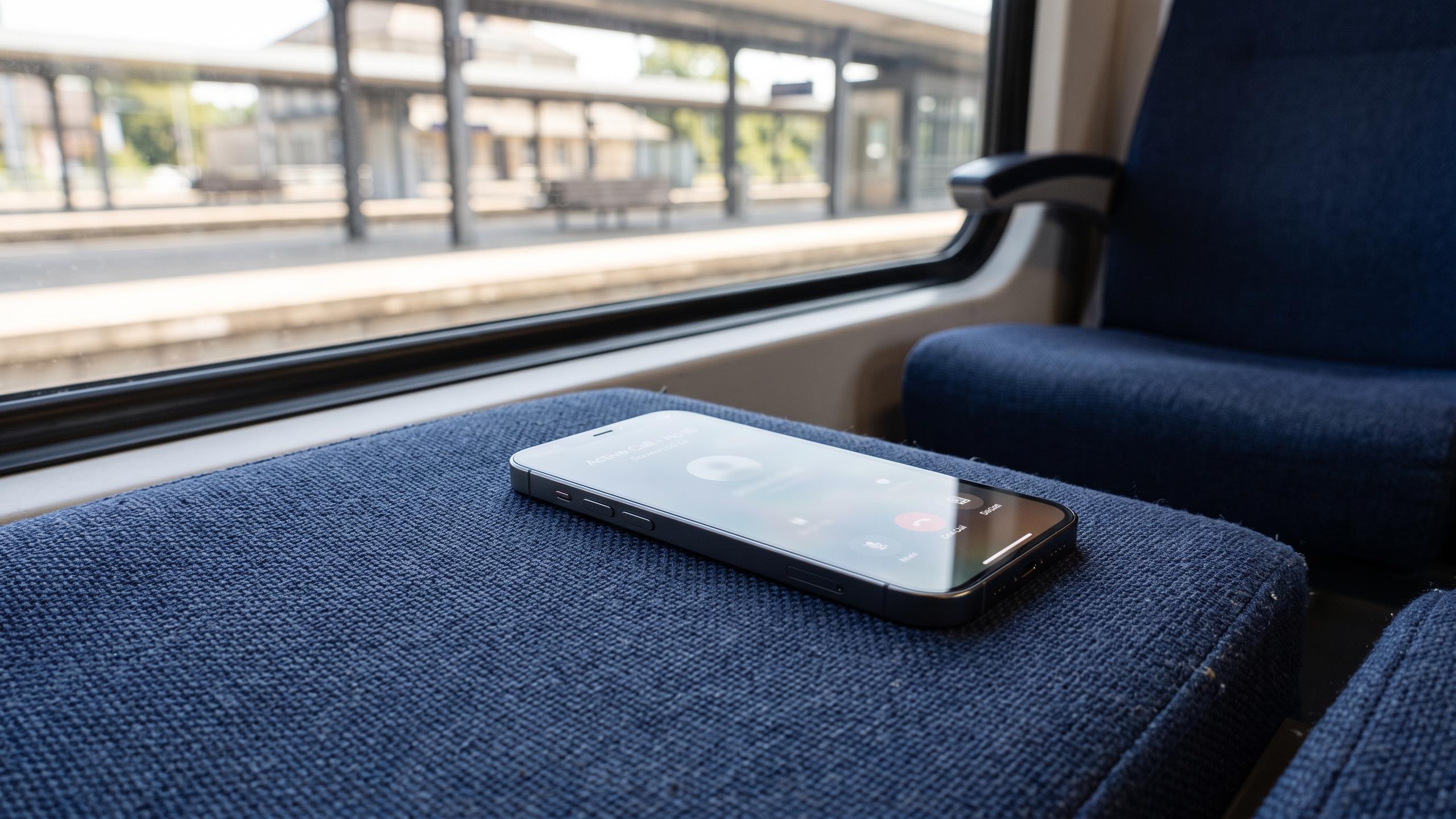
Indian Railways, particularly the Southern Railway zone, has initiated a significant push to curb noise pollution on its trains and at stations. Citing numerous passenger complaints, authorities are now invoking Section 145 of the Railways Act to penalise
those who cause a disturbance by playing audio or videos on their mobile phones without using earphones. This isn't just a friendly reminder; it comes with a financial penalty. Passengers found creating a nuisance can be fined up to ₹1,000. This move is part of a broader effort to improve passenger comfort, especially as the widespread availability of cheap mobile data has led to a surge in onboard media consumption.
What Exactly Is Considered a Nuisance?
The rule targets any behaviour that disrupts the peace and comfort of fellow travellers. This primarily includes playing music, videos, or even news clips on a phone's loudspeaker. However, the scope extends to loud and lengthy phone conversations as well. The key is the impact on others. Normal phone use will not automatically attract a penalty, but any conduct that is deemed to be a nuisance can lead to action. The enforcement is especially focused on creating a quieter environment during night hours, but the rule applies at all times in the shared space of a railway coach. Authorities are instructing staff to be vigilant and act on complaints from passengers who are being disturbed.
The Penalties Explained
The enforcement comes with a multi-tiered penalty structure. For a first-time offence, a passenger found causing a disturbance can be fined up to ₹1,000. In addition to the fine, they can be removed from the railway premises, and their ticket or pass may be forfeited. The consequences become more severe for repeat offenders. If a passenger continues the nuisance despite a warning from an authorised railway employee, such as a Ticket Examiner (TTE), the penalty can escalate significantly. In such cases, the offender may face simple imprisonment for up to six months, a fine of up to ₹5,000, or both. This stricter approach is enabled by the Jan Vishwas (Amendment of Provisions) Act, 2026, which amended the existing Railways Act to introduce these penalties.
How to Complain and Who Enforces the Rule
If you find yourself disturbed by a fellow passenger's loud audio, you don't have to suffer in silence. You can lodge a complaint with the on-board TTE or the Railway Protection Force (RPF) personnel. Commercial staff with a rank no lower than a Ticket Examiner have been authorised to impose the ₹1,000 fine. For a more formal complaint process, passengers can also use the RailMadad app or dial the railway helpline number 139. When making a complaint, be prepared to provide details such as your PNR number, train number, and coach number to help officials locate and address the issue promptly.
A Push for Better Travel Etiquette
Ultimately, this initiative is about more than just fines; it's a push for better public etiquette and mutual respect in shared spaces. Train journeys, especially long-distance ones, are a communal experience. The advisory from the railways encourages passengers to be mindful of others, particularly in enclosed spaces like AC coaches. To ensure widespread awareness, Southern Railway has directed its divisions to make regular announcements over public address systems in English, Hindi, and regional languages, and to display notices in prominent locations. The simple solution, as advised by the railways, is to use earphones. It's a small act of courtesy that ensures you can enjoy your entertainment without turning your journey into a headache for everyone else.