







A Widespread and Silent Deficiency
Vitamin B12 deficiency has become a significant public health issue in India, with some studies suggesting that nearly half the general population may have inadequate levels. The numbers are even more concerning for vegetarians, with prevalence rates
potentially as high as 65 to 70 percent in this group. While B12 deficiency can affect anyone, young adults who have followed a plant-based diet for life are particularly at risk. Many live with sub-clinical deficiency, experiencing subtle symptoms they might dismiss as normal fatigue or stress, unaware of the underlying nutritional issue. This makes it a silent epidemic, quietly impacting the health and well-being of millions.
Why Your Body Needs Vitamin B12
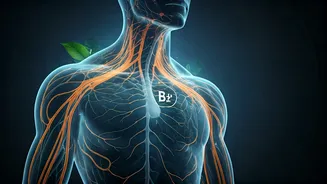
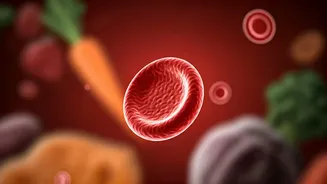
Vitamin B12, also known as cobalamin, is a powerhouse nutrient essential for several critical bodily functions. It plays a vital role in the formation of red blood cells, which carry oxygen throughout the body. It is also indispensable for the health of your nervous system, as it helps maintain the protective sheath around nerve fibres. Furthermore, B12 is crucial for DNA synthesis, the very building block of life. Without adequate B12, the body cannot perform these basic functions efficiently, leading to a cascade of potential health problems ranging from simple fatigue to severe and sometimes irreversible neurological damage.
The Vegetarian Diet's Blind Spot
The primary reason for widespread B12 deficiency in India is straightforward: the vitamin is naturally found almost exclusively in animal-derived foods like meat, fish, and eggs. Plant-based foods do not contain it. While a lacto-vegetarian diet, common in India, includes dairy products like milk, paneer, and curd, these may not be enough to meet the body's needs, especially if consumption is inconsistent. One glass of milk or a serving of paneer provides a good amount, but you need to consume them regularly. Furthermore, some experts suggest that modern food processing and changes in agricultural practices may have reduced the trace amounts of B12 that might have been present in traditional diets from soil and bacterial contamination.
It’s Not Just What You Eat, It's What You Absorb
Diet is not the only factor. A growing number of cases are linked to poor absorption. To be used by the body, B12 must be separated from food by stomach acid and then bind with a protein called 'intrinsic factor'. Several conditions common today can interfere with this process. Chronic gastritis, infections like H. pylori, and digestive disorders such as Crohn's disease can all impair B12 uptake. Long-term use of common medications, including metformin for diabetes and acid-suppressing drugs for heartburn, can also significantly deplete B12 stores over time. This means that even someone consuming B12-rich foods or supplements might still become deficient if their body cannot properly absorb the nutrient.
Spotting the Subtle Warning Signs
The symptoms of B12 deficiency are often vague and can develop slowly, making them easy to ignore. Persistent fatigue, muscle weakness, and a general lack of energy are among the most common complaints. Many people experience neurological signs like a tingling 'pins and needles' sensation in their hands and feet, memory problems, or a general feeling of 'brain fog'. Other potential indicators include a sore, red tongue, mouth ulcers, pale or yellowish skin, and psychological changes like depression or confusion. Because these symptoms overlap with many other conditions, B12 deficiency often goes undiagnosed until it becomes more severe.
How to Bridge the B12 Gap
For young Indian vegetarians, ensuring adequate B12 levels requires a proactive approach. First, consistently include dairy products in your diet. Curd (yogurt) is an excellent choice as the fermentation process can enhance B12's bioavailability. Paneer and milk are also reliable sources. Second, actively look for B12-fortified foods. Many breakfast cereals, plant-based milks like soy and almond, and even some brands of flour are now fortified with B12 and can be an easy way to boost your intake. Finally, if you suspect a deficiency or are in a high-risk group, consult a doctor. A simple blood test can confirm your levels, and your doctor can recommend an appropriate course of action, which may include high-dose oral supplements or injections.