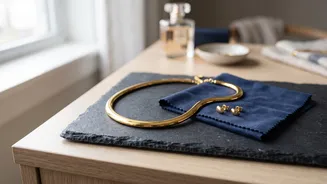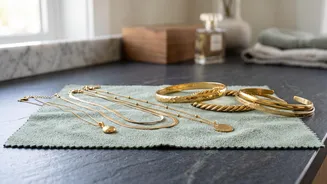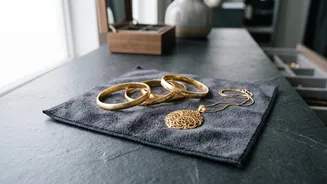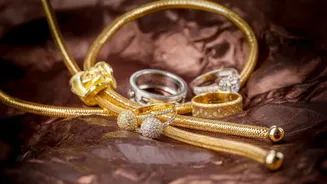




Prevention First: The Golden Rules of Care
The best way to keep your jewellery shining is to protect it from damage in the first place. Follow the 'last on, first off' rule: put your jewellery on after applying all makeup, perfumes, and lotions, and take it off first thing when you get home. Chemicals
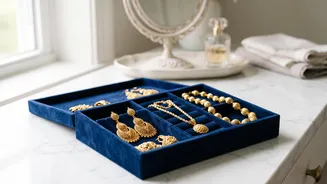
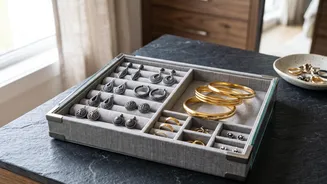
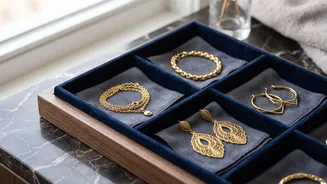
in these products can speed up tarnishing. Also, always remove your pieces before showering, swimming, or exercising. Moisture and sweat are the biggest enemies of fashion jewellery, causing the base metals to react and discolour. When you're not wearing them, store pieces separately in small, airtight plastic bags or a jewellery box with compartments to prevent scratching and exposure to humidity. Keeping them in a cool, dry place away from direct sunlight is also crucial.
Gather Your Gentle Cleaning Toolkit
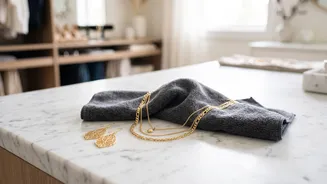
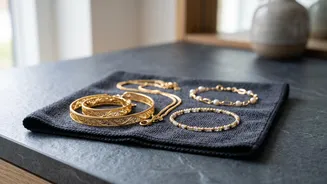
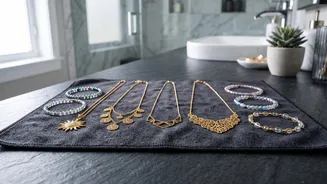
You don't need expensive or harsh cleaners. Most artificial jewellery can be safely cleaned with items you already have at home. Your essential toolkit should include a few soft, lint-free microfiber cloths, a bowl of lukewarm water, a very mild liquid soap (like baby shampoo or a gentle hand wash), and a soft-bristled toothbrush for getting into tiny crevices. Having separate cloths for cleaning and drying is a good practice to avoid transferring moisture back onto the piece. For pieces with glued-in stones, a dry makeup brush or cotton swab is useful for dusting around delicate areas without using water. Remember, the goal is always to be as gentle as possible to protect the thin plating.
The Safest Method: A Mild Soap and Water Wipe
For most routine cleaning, a simple soap and water solution is the safest and most effective method. Mix a few drops of mild soap into a bowl of lukewarm water. Dip a soft cloth into the solution and wring it out thoroughly so it is damp, not soaking wet. Gently wipe down the surface of your jewellery to remove oils, makeup residue, and everyday grime. If needed, you can use a soft toothbrush dipped in the soapy water to lightly scrub around clasps or textured areas where dirt collects. The most important step is to never soak the jewellery, as prolonged exposure to water can weaken adhesives and accelerate tarnishing. Immediately after wiping, use a clean, dry cloth to pat the piece completely dry, ensuring no moisture is left behind.
Special Care for Gold-Plated Pieces
Gold-plated jewellery has a very thin layer of gold over a base metal, which can be easily worn away. Therefore, it requires an especially gentle touch. The mild soap and water method works well, but it's critical to be extra careful not to rub too hard. After each wear, a quick wipe-down with a dry, soft cloth can remove body oils and prevent buildup. For storage, keeping gold-plated items in a soft pouch or a separate compartment in your jewellery box is essential to prevent the thin plating from getting scratched by other, harder pieces. Avoid using any abrasive materials, including toothpaste or baking soda, as these can easily scratch and strip away the gold finish, exposing the base metal underneath.
Cleaning Pieces with Stones, Pearls, or Fabric
Jewellery with glued-in stones, like Kundan or crystal pieces, should never be submerged in water. Moisture can dissolve the glue, causing stones to become loose or fall out. Instead, use a dry, soft brush to gently dust around the settings. If you must use liquid, apply a tiny amount of soapy water with a cotton swab only to the metal parts, avoiding the stones completely. For fabric or embroidered jewellery, water is a definite no-go. Use a dry brush to remove dust. Imitation pearls are also very delicate and should only be wiped with a soft, damp cloth, as chemicals and even mild soap can damage their coating.
What to Absolutely Avoid When Cleaning
Knowing what not to use is just as important as knowing what to use. Never use harsh chemicals like bleach, ammonia, or vinegar, as they can permanently damage or strip the plating. While some online sources suggest them, toothpaste and baking soda are abrasive and will create micro-scratches that dull the finish over time. Rubbing alcohol can be useful for disinfecting earring posts, but avoid getting it on plastic or acrylic stones, as it can make them cloudy. Finally, steer clear of boiling water, which can cause metals to expand and loosen stone settings, and ultrasonic cleaners, which are too aggressive for most fashion jewellery.