







The Privatisation Misconception
Recent official statements have been clear: ISRO is not being privatised. The word itself suggests selling a government entity to private owners, which is not on the agenda. Instead, the government is pursuing a policy of commercialisation and private sector
participation. This means opening the doors for private companies to take on a larger role in space activities, particularly in areas where technologies are mature and operations are routine. The reforms, formalised in the Indian Space Policy 2023, are designed to expand the entire space ecosystem, not shrink ISRO. The goal is to create a stronger, more competitive Indian space industry on the global stage.
A New Division of Labour
The new framework creates a clear division of responsibilities. ISRO’s primary role is shifting away from routine manufacturing to focus on what it does best: pioneering research and development. Two key bodies facilitate this shift. IN-SPACe (Indian National Space Promotion and Authorisation Centre) acts as a single-window regulator, promoter, and supervisor for private space activities. It's the gateway for non-governmental entities (NGEs) to get authorisation and access ISRO's facilities. NewSpace India Limited (NSIL) is the commercial arm, tasked with commercialising ISRO's technologies and managing demand-driven missions. NSIL procures launch vehicles and satellites from industry, effectively acting as a bridge between ISRO's capabilities and commercial markets.
Industry Steps Up for Routine Tasks
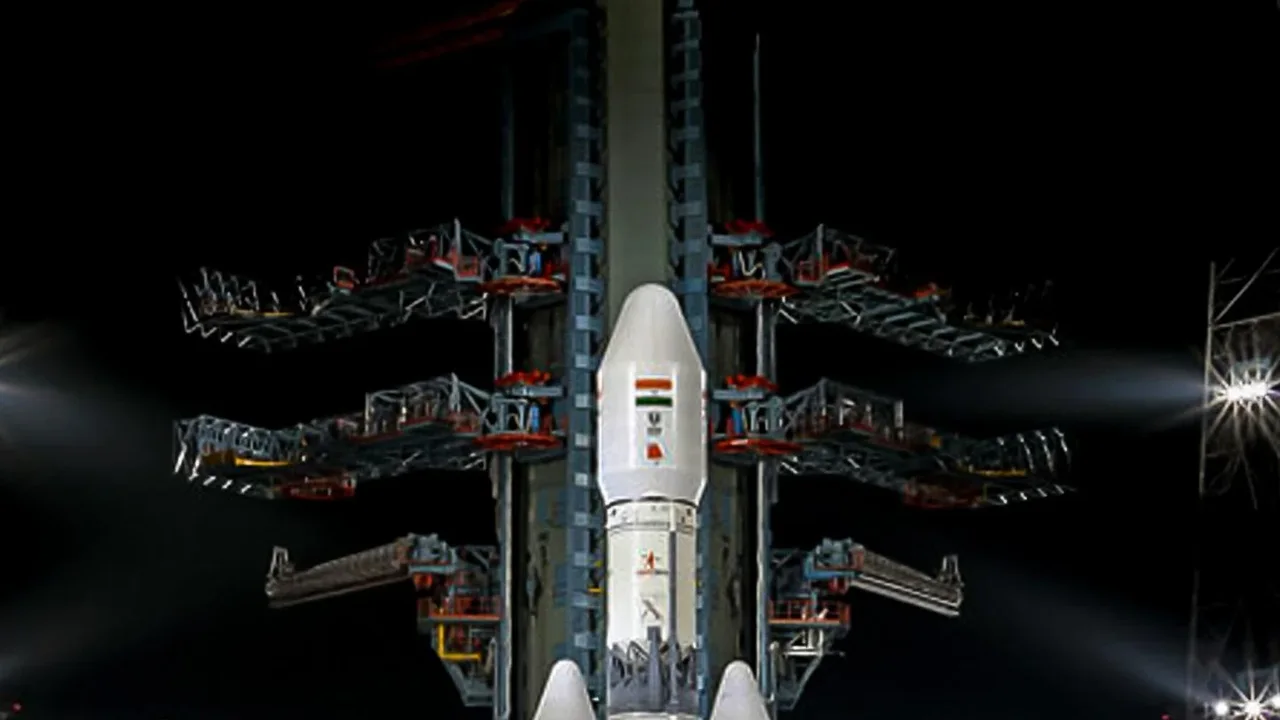
A prime example of this new model is the production of the Polar Satellite Launch Vehicle (PSLV), ISRO's trusted workhorse. Rather than ISRO building every rocket, the technology is being transferred to the private sector to scale up production. A consortium of Hindustan Aeronautics Limited (HAL) and Larsen & Toubro (L&T) is already manufacturing PSLV rockets. The plan is for industry to handle the manufacturing of mature launch systems like the PSLV and the Small Satellite Launch Vehicle (SSLV). This move frees up ISRO's valuable scientific and technical workforce to concentrate on more complex challenges. The government's ambition to increase India's launch cadence to as many as 50 launches per year would be impossible without this industrial partnership.
ISRO’s Next Frontier: Research and Exploration
With private players handling routine production, ISRO is doubling down on frontier science and strategic missions. The agency’s future is dedicated to pushing the boundaries of space technology and exploration. This includes developing next-generation and reusable launch vehicles, deep-space missions, and planetary exploration. High-priority national projects like the Gaganyaan human spaceflight programme, the establishment of the 'Bharatiya Antariksh Station' (Indian Space Station) by 2035, and a crewed mission to the Moon by 2040 are now ISRO's core focus. This reorientation ensures that ISRO remains the principal institution driving India's most ambitious scientific and strategic goals in space.
Building a Larger Space Economy
The overarching goal of these reforms is economic. India's share of the global space economy, currently valued at around $630 billion, is a modest 2%. The government aims to significantly increase this slice of the pie, targeting a space economy of $44 billion by 2033. By enabling private companies to build, launch, and operate satellites, a competitive domestic market is fostered. This strategy not only creates jobs and attracts investment but also builds a robust industrial base that can serve both national needs and international customers. The reforms are about creating an "ISRO-led national space ecosystem" where public and private sectors work in synergy, ultimately making India a more formidable player in the global space race.