




The Great Un-Tethering
For decades, a successful career in India often meant migrating to a bustling Tier 1 metropolis like Bengaluru, Mumbai, or Delhi. However, the widespread adoption of remote work has flipped the script. A growing cohort of skilled professionals in Tier 2
cities such as Pune, Jaipur, Lucknow, and Coimbatore are discovering they no longer need to choose between career ambition and quality of life. With robust internet connectivity now widespread and companies increasingly open to hiring talent from smaller urban centres, these workers are free to design a life outside the traditional confines of a corporate office park. This newfound flexibility has given rise to the ‘workation’—a blend of work and leisure that is less a temporary escape and more an integrated lifestyle choice.
Coorg’s Monsoon Magnetism
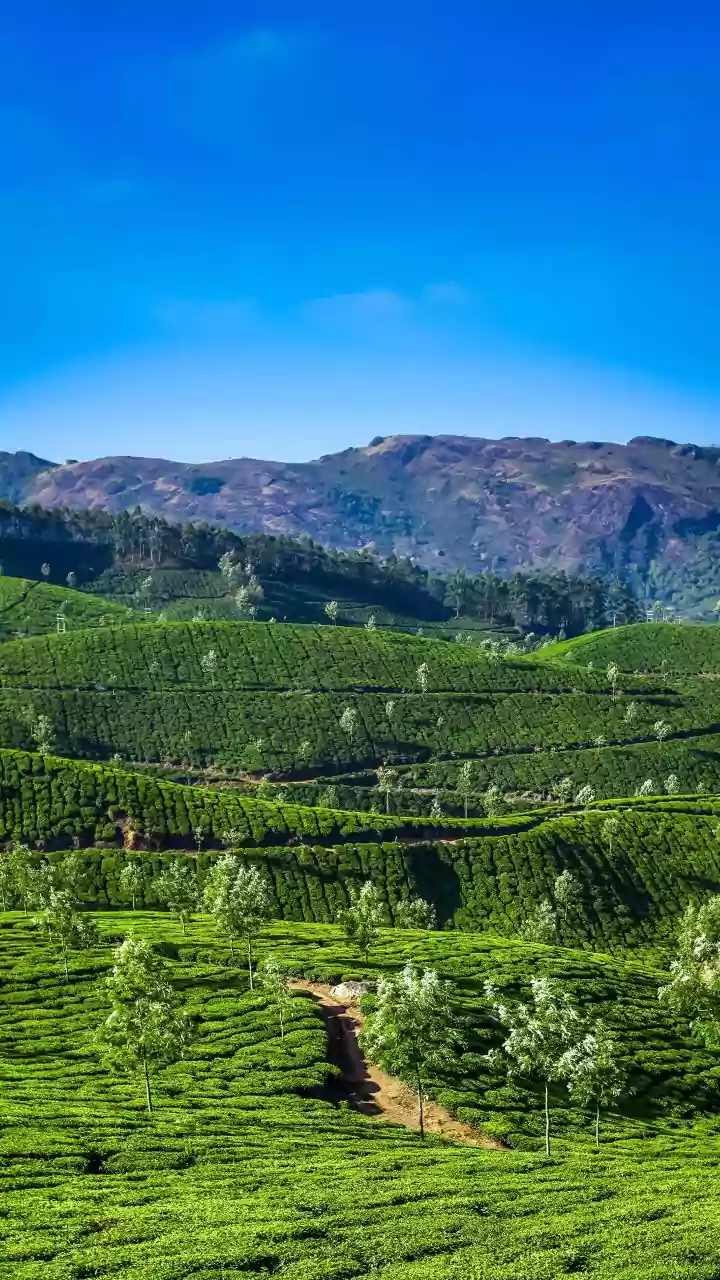
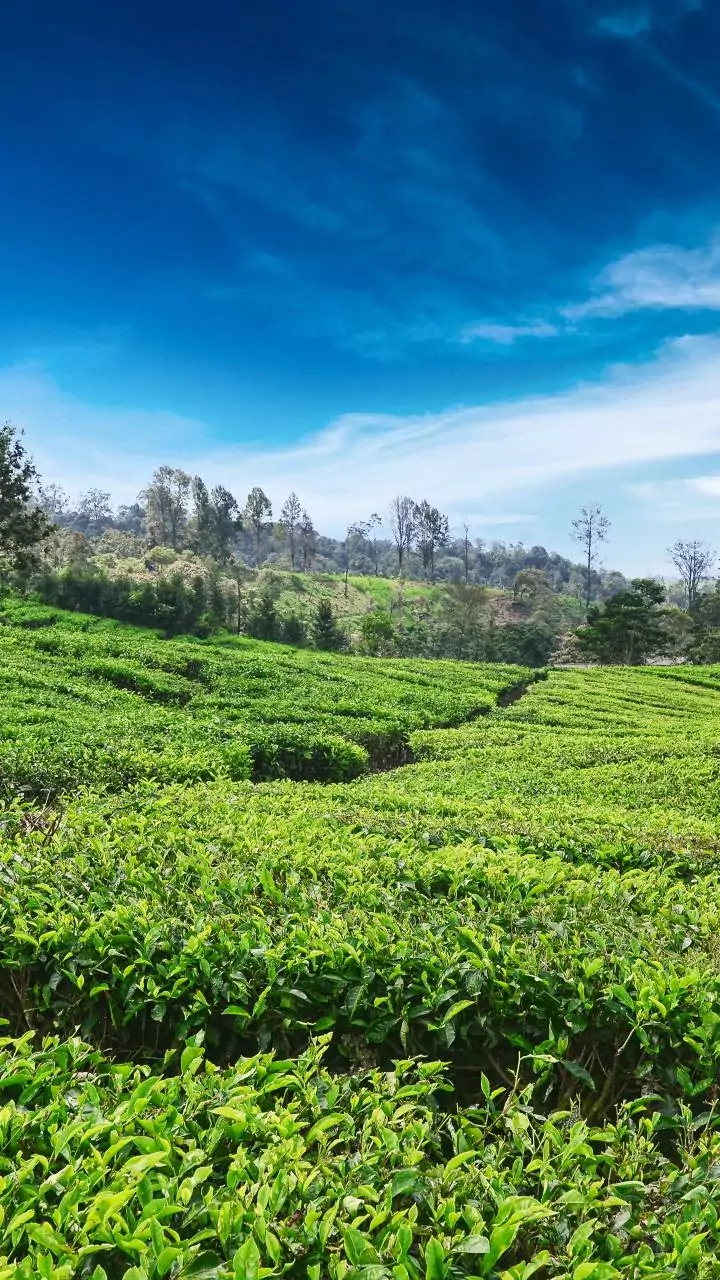
The traditional tourist season in Coorg, with its pleasant, sunny weather, draws large crowds. But for the remote worker, the off-season holds a unique appeal. From June to September, the monsoon transforms the 'Scotland of India' into a lush, emerald paradise. The hills are draped in mist, waterfalls are at their most powerful, and the coffee plantations come alive with a vibrant, restorative energy. This period, once considered a lull, offers a quieter, more introspective experience. For those seeking focus and deep work, the rhythmic sound of rain and the absence of peak-season crowds create a perfect, distraction-free environment. Moreover, accommodations are often more affordable during these months, making longer stays financially viable.
More Than Just Good Wi-Fi
What makes a coffee estate the ideal setting for this new breed of worker? It's a curated blend of productivity and peace. Estate homestays have adapted to this trend, offering the essentials for a seamless workday, including reliable high-speed Wi-Fi and power backups. But the benefits extend far beyond digital connectivity. Guests swap rushed city lunches for wholesome, home-cooked Kodava meals and coffee breaks for walks through aromatic spice and coffee groves. The experience is immersive; it’s about working within a living, breathing agricultural landscape. Instead of traffic noise, the soundtrack is birdsong and the rustle of leaves. This proximity to nature helps mitigate burnout and fosters a healthier work-life balance, turning the workday into something to be savoured rather than endured.
A Mutually Beneficial Arrangement
This trend is creating a symbiotic relationship that benefits both visitors and the local economy. For coffee plantation owners, who often rely on seasonal tourism, the influx of long-stay remote workers provides a steady and reliable source of income during the otherwise slow monsoon months. These visitors help offset the economic volatility of agricultural markets and ensure year-round occupancy. In turn, the workers gain access to a unique, affordable, and inspiring environment that supports their professional and personal well-being. It represents a sustainable model of tourism that is less about fleeting visits and more about meaningful, extended stays that contribute directly to the local community.
The Practical Realities
While the dream of working from a verdant plantation is alluring, there are practical considerations. The monsoon, for all its beauty, can bring challenges. Heavy rains can sometimes lead to power outages or make smaller roads temporarily inaccessible. While many homestays are well-prepared, it's wise for visitors to confirm the availability of power backups and the quality of internet access before booking. Packing for the wet weather is essential, with waterproof jackets, sturdy footwear, and insect repellent being non-negotiable. For those used to the constant stimulation of city life, the quiet and solitude can also take some adjustment. Yet, for many, these minor trade-offs are a small price to pay for the immense rewards of this unique work-life experiment.