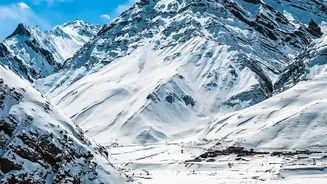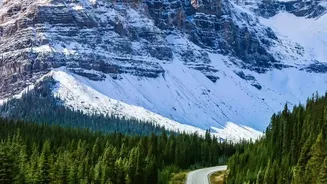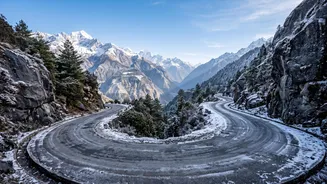



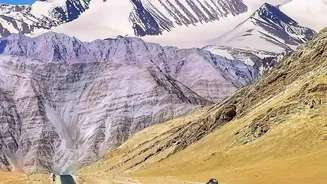


The magic of a winter road trip in India is undeniable—snow-dusted landscapes, crisp air, and quiet roads. But this beauty comes with a catch. The very weather that creates the magic can also make your dream drive impossible or dangerous.
The Unpredictable Nature of Winter Roads
Winter transforms
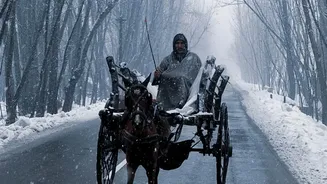
India's diverse landscapes, but it also introduces significant travel hazards. In the Himalayas, heavy snowfall can block high-altitude passes for days or even weeks, cutting off entire valleys. Passes like Rohtang, Zoji La, and Nathu La routinely shut down from November to May. Beyond outright closures, drivers face risks like black ice, which is a nearly invisible layer of ice that can cause vehicles to skid dangerously, and the constant threat of snowstorms and landslides. Even on the northern plains, dense morning fog can reduce visibility to near zero, turning a four-hour drive into a much longer, more hazardous crawl.
Key Routes Prone to Winter Closures
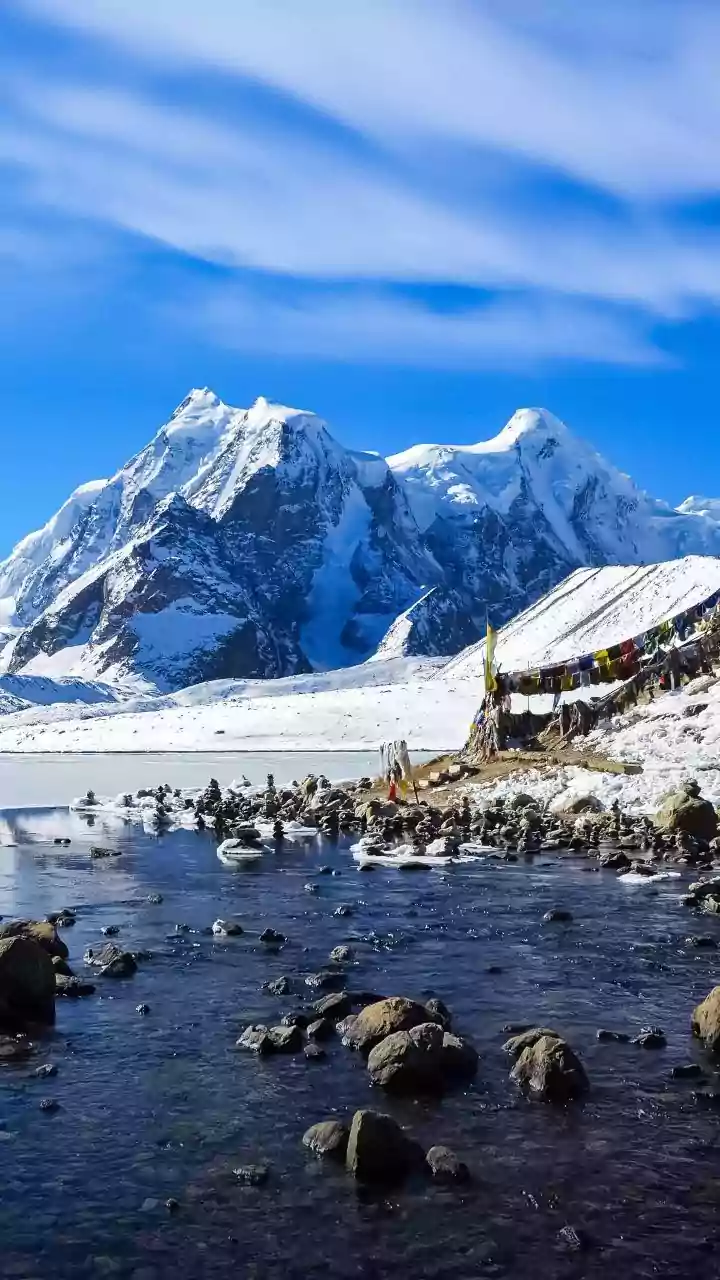
Certain iconic road trip routes are particularly vulnerable. The Manali-Leh Highway, a bucket-list journey for many, becomes impassable as snow buries high passes like Baralacha La. Similarly, the Srinagar-Leh highway via Zoji La and the rugged road to Spiti Valley through Kunzum Pass are sealed off. In Uttarakhand, routes to Char Dham shrines and other high-altitude areas face similar fates. Even seemingly accessible places can be affected; the road to Mussoorie can be temporarily halted after a heavy snowfall to allow for clearance. In Sikkim, access to destinations like Nathu La, Gurudongmar Lake, and Yumthang Valley is heavily dependent on daily weather conditions and military clearance.
How to Check Road Status Reliably
Relying on old travel blogs or a single social media post is a recipe for disaster. For the most accurate information, you must consult official and multiple sources. The Border Roads Organisation (BRO), which builds and maintains most of these strategic roads, is a primary source. They often post updates on their official social media channels, particularly on X (formerly Twitter). For state-specific information, the websites and social media pages of district police (e.g., Lahaul-Spiti Police) and the State Disaster Management Authority (SDMA) for states like Himachal Pradesh and Uttarakhand are invaluable. These agencies issue daily bulletins on road blockages and weather warnings. It's also wise to call your hotel or host at your destination the day before you travel, as they often have the most current, hyper-local information.
The Real Cost of Not Checking
Ignoring the simple step of checking road access can lead to far more than just a ruined itinerary. Travellers frequently get stranded for hours or even days in freezing temperatures, a dangerous situation that puts immense strain on local rescue resources. Driving on a closed or hazardous road can result in vehicle damage or accidents, particularly from skidding on ice or getting caught in a landslide. You risk not only your safety but also a significant financial loss from non-refundable bookings and the cost of potential vehicle recovery. A closure is a closure; local drivers and authorities will not let you pass, and attempting to argue is a waste of time. The smart choice is always to confirm your route is open before you even start the engine.