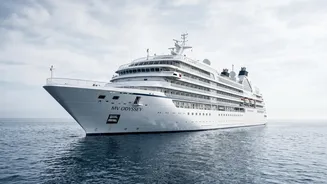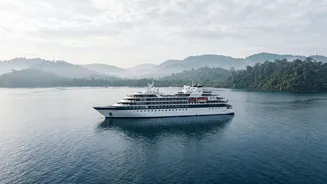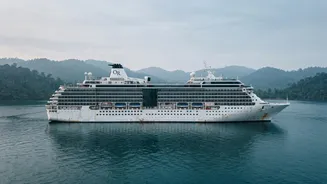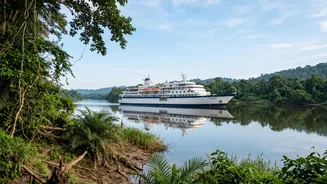





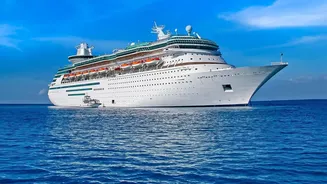
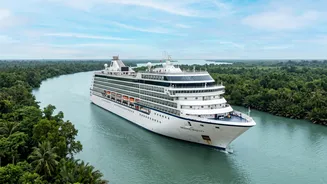
The dream of a never-ending vacation, of living on a ship that endlessly circles the globe, has hit a harsh reality. Villa Vie Residences has abruptly suspended its Villa Vie Odyssey cruise, leaving residents stranded and a bold business model in turmoil.
The Promise of a Permanent Paradise
The Villa Vie Odyssey was more than a cruise; it was sold as a home. The concept of residential cruising allows individuals to buy or rent cabins for long-term stays, effectively living at sea. Villa Vie Residences offered various ownership pathways, with permanent residency starting around $120,000, plus substantial monthly fees. The plan was ambitious: a 3.5-year journey circumnavigating the globe, visiting over 425 ports. For the roughly 203 residents on board, many of whom sold their homes and cars to fund this new life, the Odyssey was their primary address. The ship, a refurbished vessel that began its new life in October 2024 after significant delays, promised a sustainable way to see the world without ever having to pack a suitcase.
An Abrupt Order to Abandon Ship
The dream came to a sudden halt on October 27, 2026. While docked in Sihanoukville, Cambodia, residents received a notice at dawn: they had to disembark the ship by 2 p.m. that same day. The announcement sent shockwaves through the onboard community, forcing people to scramble for hotels and figure out their next steps in a country most had only planned to visit for a short time. The company, Villa Vie Residences, confirmed it was suspending all operations, citing unsustainable financial pressure from 'extraordinary increases in fuel costs'. With only hours to pack their belongings, the floating community found itself unexpectedly landlocked and facing an uncertain future.
The Financial Iceberg
The company publicly blamed skyrocketing fuel prices, stating that monthly fuel expenses per cabin had surged from a historical average of about $1,800 to between $6,000 and $8,000 in parts of Asia. Villa Vie stated that it could not pass such a drastic increase on to its residents. However, signs of deeper financial trouble had been emerging for months. Residents reported that the company had made repeated requests for additional money to cover fuel costs. Service quality had also reportedly declined, with complaints about itinerary changes, unreliable Wi-Fi, and even issues securing food provisions due to outstanding payments to suppliers. Reports indicate the company was operating at a loss even at full capacity, and the ship was briefly detained in Hong Kong over an unpaid fuel bill. A last-ditch effort by residents to purchase the ship themselves ultimately failed.
What Happens Now?
In the immediate aftermath, residents were left to arrange their own temporary accommodations in Cambodia. While Villa Vie said it would assist, many reported having to find and pay for their own hotels. The company announced it would spend the next 60 days evaluating restructuring and recapitalization alternatives, including a potential Chapter 11 bankruptcy filing, but assured no specific outcome. In a more recent development, the ship's lender has taken possession of the vessel. While a sale has not been scheduled, the ship is expected to be moved from Cambodia to Singapore, where it could eventually be auctioned off. The company's founder, Mikael Petterson, believes there is a 30 to 90nday window to negotiate a restructuring plan and potentially regain control of the ship.