






The 'Second Brain' in Your Gut
The gut-brain axis is the constant, bidirectional communication between your central nervous system (your brain and spinal cord) and your enteric nervous system (the nervous system of your gastrointestinal tract). This connection is so profound that scientists
often refer to the gut as the 'second brain'. This communication relies on several key players, including the vagus nerve, which acts like a direct data cable transmitting signals between the gut and brain. But the most influential components are the trillions of microorganisms living in your gut, known as the gut microbiome, and the chemical messengers they produce, called neurotransmitters. Amazingly, about 95% of your body's serotonin, the 'happy chemical' crucial for mood regulation, is produced in the gut, not the brain. When your gut microbiome is balanced and healthy, it supports emotional stability and cognitive clarity. An imbalance, however, can contribute to issues like anxiety, brain fog, and a low mood.
Fiber: The Fuel for a Happy Mind
Dietary fiber does more than just aid digestion; it's a crucial player in mental wellness. Think of fiber as a 'prebiotic'—it's the primary food source for the beneficial bacteria in your gut. When these helpful microbes feast on fiber, they produce powerful compounds called short-chain fatty acids (SCFAs). These SCFAs are metabolic heroes. They help strengthen the gut's protective barrier, which prevents harmful substances from leaking into the bloodstream and causing inflammation throughout the body, including the brain. This reduction in inflammation is strongly linked to improved mental clarity and a more stable mood. Furthermore, SCFAs can signal the brain to produce more Brain-Derived Neurotrophic Factor (BDNF), a protein that supports the survival of existing neurons and encourages the growth of new ones, which is vital for learning and memory.
Probiotics: The Good Bacteria Boost
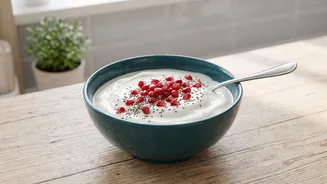
If prebiotics are the food, probiotics are the beneficial bacteria themselves. Probiotics are live microorganisms that, when consumed in adequate amounts, confer a health benefit. Found in fermented foods and supplements, these friendly microbes help maintain a healthy balance in your gut's ecosystem. They work by crowding out harmful bacteria, strengthening the gut lining, and modulating the immune system. Research suggests that regular intake of probiotics may help lower stress and anxiety. Certain strains, like those from the Lactobacillus and Bifidobacterium families, are known to help produce GABA, a neurotransmitter that promotes a sense of calm. While research is ongoing, some studies have shown that women who consumed probiotic-rich yogurt were calmer when faced with stressors, and other trials suggest probiotics can offer a modest boost for individuals with depression when taken alongside traditional treatments.
Putting It on Your Plate: A Practical Guide
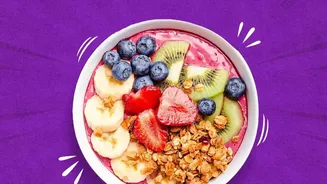
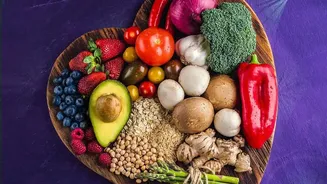
Nourishing your gut-brain axis doesn't require a complete dietary overhaul. It's about consistently incorporating the right kinds of foods. For a start, focus on increasing your intake of both prebiotic fiber and probiotics.Foods rich in prebiotic fiber include: Vegetables: Onions, garlic, asparagus, and leafy greens like kale and spinach. Fruits: Bananas (especially when slightly green), apples, and berries. Whole Grains & Legumes: Oats, quinoa, lentils, and beans are excellent sources.Foods rich in probiotics include: Fermented Dairy: Yoghurt with live, active cultures and kefir. Fermented Vegetables: Sauerkraut and kimchi are packed with beneficial bacteria. Other Fermented Products: Miso and kombucha can also be great additions, though be mindful of the sodium in miso and sugar in some kombuchas.