


The End of the Instant Era?
For much of the 20th century, coffee in India was synonymous with instant. Brands like Nescafé and Bru dominated kitchens, offering a quick, convenient caffeine fix that made coffee accessible to a nation traditionally devoted to tea. This first wave
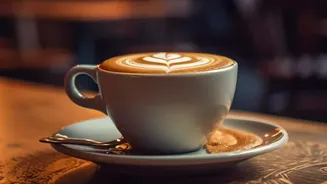
of coffee was about mass production and ease of use, with flavour taking a backseat to function. The landscape began to change in the late 90s with the arrival of café chains like Café Coffee Day, which introduced an entire generation to cappuccinos and the social experience of coffee. This second wave paved the way for today's transformation, but for many households, the jar of instant coffee remained a steadfast staple.
The Rise of the Coffee Connoisseur
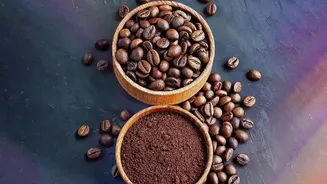
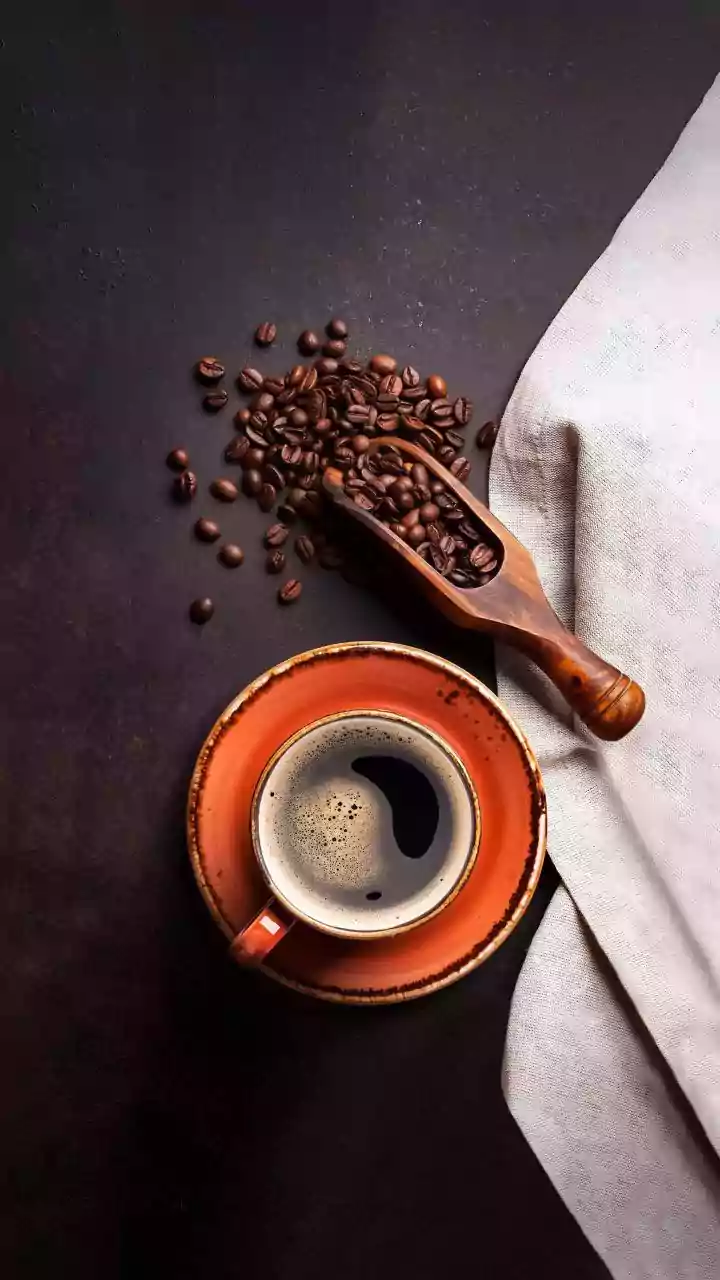
Today, India is firmly in its 'third wave' of coffee, a movement that treats coffee as an artisanal product, much like craft beer or fine wine. This shift is driven by a new generation of consumers, primarily millennials and Gen Z, who are more curious and discerning. They are interested in the story behind their cup: the origin of the beans, the specific estate they were grown on, the roast profile, and the brewing method. This movement from a commodity to a craft product has seen consumers actively seeking out higher-quality, flavourful experiences that instant coffee simply cannot provide. The specialty coffee market in India is projected to grow significantly, with some forecasts predicting it will reach over USD 9 billion by 2033.
From Café to Kitchen Counter
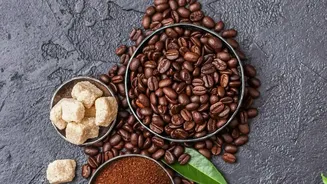
The boom in specialty coffee shops across urban India has been a major catalyst for this change. Chains like Blue Tokai and Third Wave Coffee, alongside countless independent roasters, have served as educational hubs. They've exposed customers to the taste of freshly roasted, single-origin beans from Indian estates in regions like Coorg and Chikmagalur. This café experience doesn't just stay in the café; it follows customers home. Having tasted the difference, many are now replicating the experience in their own kitchens. The rise of direct-to-consumer (D2C) brands has made this easier than ever, with companies delivering freshly roasted beans and brewing equipment directly to people's doorsteps. This trend has democratised specialty coffee, making it more accessible than ever before.
The Soul of the South
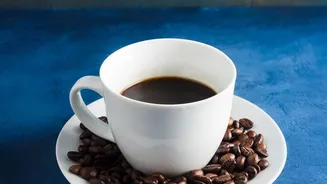
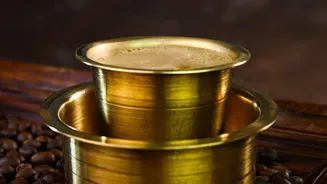
At the heart of this coffee renaissance is a renewed appreciation for a classic: South Indian filter coffee, or 'kaapi'. For generations, this has been the daily ritual in southern households. The process involves a traditional metal filter, a dark, rich decoction, hot milk, and often a blend of coffee and chicory, which adds a characteristic nutty and slightly bitter depth. What was once a regional home-brewing method is now being celebrated on a national stage. New-age brands are rebranding filter coffee, focusing on high-quality beans and specific chicory ratios, and packaging it for a modern, urban audience that craves authenticity. This revival is not just about nostalgia; it’s about recognizing the inherent quality and unique flavour profile of a time-honoured Indian tradition.
A More Flavourful Future
This cultural shift signifies more than just changing tastes; it reflects a broader move towards mindful consumption and an appreciation for local craftsmanship. Indian coffee growers, who have long exported their best beans, are now finding an enthusiastic market at home. Consumers are connecting with the source of their food and drinks, learning about terroir and flavour notes from the Araku Valley to Wayanad. The simultaneous existence of a booming instant coffee market, a resurgent filter coffee culture, and a cutting-edge specialty scene shows the incredible diversity of India's coffee landscape today.