


A Shift Beyond Polished White
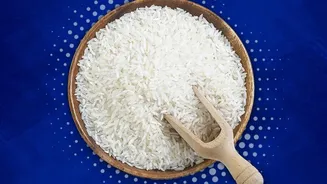
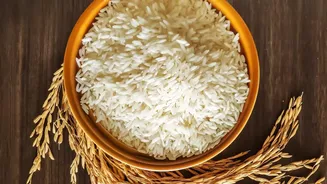
For decades, the Indian plate has been dominated by a handful of high-yield, polished white rice varieties, a legacy of the Green Revolution's focus on mass production. While successful in ensuring food security, this shift pushed thousands of indigenous
rice strains—once adapted to every specific region and climate in India—to the brink of extinction. Once, India was home to over 100,000 rice varieties; today, only a fraction remain in cultivation. But now, a growing number of consumers, chefs, and farmers are looking back to move forward, sparking a revival of these forgotten grains. This movement is driven by a confluence of factors, including a deeper interest in health, a desire for authentic flavours, and a growing awareness of environmental sustainability.
The Search for Better Nutrition
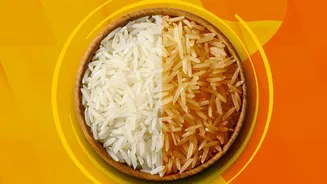
One of the most significant drivers of this trend is health and wellness. Unlike highly processed white rice, which is stripped of its bran and germ, traditional varieties like red rice, black rice, and hand-pounded grains retain more of their natural nutrients. These heirloom rices are often richer in dietary fibre, antioxidants, vitamins, and minerals. For instance, black rice, once known as 'forbidden rice' in ancient China, is packed with anthocyanins, the same powerful antioxidants found in blueberries, which are linked to reduced inflammation and better heart health. Varieties like Mappillai Samba and Karuppu Kavuni are also gaining popularity for their higher iron and zinc content. With a lower glycemic index compared to polished white rice, many of these traditional grains release sugar into the bloodstream more slowly, making them a favourable choice for managing blood sugar levels.
A Renaissance of Flavour and Culture
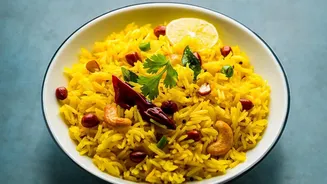
Beyond the health benefits, there is a rediscovery of taste and culinary heritage. Chefs at top restaurants are championing regional rice, moving beyond Basmati to explore the unique textures and aromas of grains like West Bengal's fragrant Gobindobhog or Kerala's Jeerakasala. These varieties are not just a backdrop but a central character in dishes, from biryanis and risottos to everyday meals. This culinary curiosity is trickling down to home cooks, who are eager to explore the nutty flavour of red rice or the distinct aroma of Ambemohar. This renewed interest helps preserve not just biodiversity but also cultural identity, as many of these grains are deeply intertwined with regional festivals, rituals, and traditions passed down through generations.
Good for the Planet, Good for the Farmer
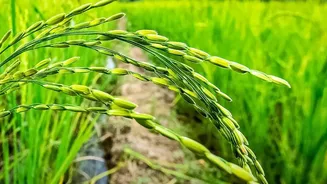
The revival of older rice varieties also tells a compelling story of sustainability. Having evolved over centuries, these landraces are naturally resilient and better adapted to local ecologies. Many are inherently resistant to pests and can thrive in diverse conditions, including droughts and floods, requiring fewer chemical fertilizers and pesticides. This makes their cultivation less costly for farmers and gentler on the environment. Groups and government missions are actively encouraging farmers to cultivate these heritage strains, creating seed banks and providing incentives to preserve this genetic wealth. By choosing these rices, consumers are not only making a healthier choice for themselves but also supporting small-scale farmers and promoting climate-resilient agriculture.
Challenges and the Road Ahead
Despite the growing interest, the path to mainstream adoption has its hurdles. Heirloom rice varieties often have lower yields and can be more labour-intensive to cultivate, which can make them more expensive for the consumer. Authenticity and traceability are also emerging as major concerns; as demand grows, ensuring that the rice sold is genuinely the traditional variety claimed becomes crucial. However, the momentum is undeniable. Initiatives like the Bharat International Rice Conference are working to build market awareness and connect farmers with consumers, both in India and globally. This push from farmers, consumers, chefs, and conservationists alike signals a significant shift.