







Go Beyond the Basic Forecast
We all check the weather app before a trip. But for monsoon travel in India, a simple rain cloud emoji isn’t enough information. The 'vibe' might be a gentle drizzle, but the data could be pointing to a cyclonic circulation. It’s crucial to dig deeper.
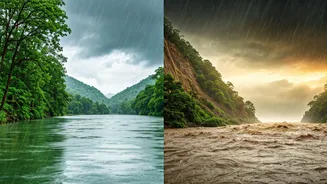
Instead of just looking at whether it will rain, look at the predicted intensity (in millimetres, if possible) and duration. Is it a short, passing shower or a multi-day downpour? Use official sources like the India Meteorological Department (IMD) website. Their district-level warnings and colour-coded alerts (green, yellow, orange, red) are not just suggestions; they are data-driven assessments of potential impact, from traffic disruptions to significant danger. A red alert isn't a vibe-killer; it's a potential life-saver.
Map the Ground Reality
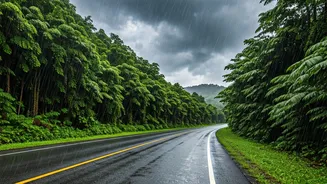
A beautiful, winding mountain road is romantic until it disappears under a landslide. During the monsoons, especially in hilly regions like the Himalayas or the Western Ghats, road accessibility is not a given. Before you start your journey, and even during it, you need real-time data on ground conditions. Don't rely solely on Google Maps' estimated time of arrival. Look for state-specific traffic police portals or social media accounts, which often post live updates on road closures, diversions, and blockages. Check local news outlets for the areas you plan to drive through. Are there reports of waterlogging or landslides on your chosen route? Having data on alternate routes pre-planned is far more relaxing than being stuck in a 10-hour traffic jam with no network.
Harness Local Intelligence
The most granular data often comes from people on the ground. National forecasts are great for the big picture, but a hotel owner in Manali or a cafe operator in Coorg will know the immediate, hyperlocal situation. Before finalising your bookings, call your hotel or homestay directly. Ask specific questions: 'How have the rains been over the last few days?', 'Are the roads from the main town to your property accessible?', 'Has the power supply been stable?'. You can also tap into online communities. Search for Facebook groups or travel forums dedicated to your destination. A quick post asking about current conditions can yield invaluable, up-to-the-minute insights that no app can provide. This isn't about second-guessing your plans; it's about refining them with the best available intelligence.
Analyse Your Booking and Insurance Data
The most important data for a rainy trip might be in the fine print. The 'vibe' is to hope for the best, but the smart approach is to plan for disruptions. When booking flights, trains, and hotels, pay close attention to the cancellation and rescheduling policies. A non-refundable deal might seem cheap, but it becomes very expensive if a flood forces you to cancel your entire trip. Opt for flexible or fully refundable bookings where possible, even if they cost slightly more. This is your personal safety net. Similarly, review travel insurance options. Does the policy cover trip cancellations or interruptions due to weather-related events? Understanding this 'data' empowers you to make a decision based on your risk tolerance and budget, ensuring a sudden change of plans doesn’t ruin you financially.
Pack Using Data, Not Guesswork
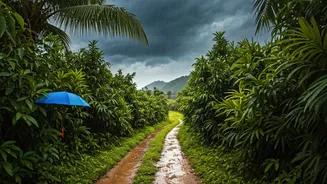
Packing for a monsoon trip based on vibes often means throwing in an old umbrella and a windcheater. A data-driven approach is more effective. Look at the data points: humidity levels, day-vs-night temperature drops, and the terrain you’ll be covering. High humidity means synthetic, quick-dry clothes are a must, as cotton will take forever to dry. If the data shows significant temperature drops in the evening, you'll need layers. Are you planning a trek? Data on the trail conditions (slippery, muddy) means you need high-grip, waterproof footwear, not just trendy sneakers. This extends to your gadgets, too. Knowing you're heading into a region with potential power cuts means packing a fully charged power bank isn't an option; it's a necessity.