





The Monsoon Gardening Paradox
The Indian monsoon is often imagined as a period of constant, gentle rain. The reality, however, is a cycle of extremes. We frequently experience intense, heavy downpours that can waterlog soil, followed by days of bright sun and high humidity that quickly
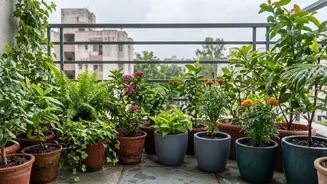
dry it out. This unpredictable weather is stressful for many plants. Delicate varieties can suffer from root rot when the soil is too wet, and then wilt during the hot, dry intervals. The secret to a successful monsoon garden isn't choosing plants that love water, but rather selecting those that are resilient enough to handle both too much and too little. These hardy plants have root systems that can withstand periods of saturation without rotting, and the toughness to survive when the rain stops and the sun beats down. Good drainage is crucial for all plants during this season, but starting with the right varieties makes all the difference.
The Hardy Bougainvillea
Known for its paper-like bracts that explode in a riot of colour—from magenta and purple to orange and white—bougainvillea is a classic choice for Indian gardens. While it is famously drought-tolerant, it performs beautifully during the rainy season. The monsoon encourages new growth and vibrant blooming. The key to its success is its need for well-drained soil. As long as water isn't allowed to pool around its roots, it will thrive through the wettest months. Its hardy nature means it can handle the intermittent dry spells with ease. Plant it along a sunny fence or wall, and it will provide a stunning display of colour with minimal fuss. Regular pruning after a flowering cycle can encourage even more blooms.
Vibrant and Tough Lantana
Lantana is another sun-loving shrub that is remarkably resilient, making it a perfect candidate for a low-maintenance monsoon garden. Its clusters of small, colourful flowers are a magnet for butterflies, adding life and movement to your outdoor space. Lantana is exceptionally drought-tolerant once established and does not appreciate having constantly wet roots, which is why excellent drainage is important. It flourishes in full sun and will continue to bloom profusely through the cycles of rain and shine. Available in a variety of colours, often within the same flower cluster, Lantana is great for adding texture and visual interest to garden beds or pots. A light trim can help maintain its shape and promote continuous flowering.
The Ever-Blooming Periwinkle
Commonly known as Sadabahar, this plant truly lives up to its name, meaning 'always in bloom'. Periwinkle is a workhorse in the garden, producing cheerful flowers in shades of pink, white, and lavender almost year-round. It performs especially well during the rainy season. This plant is incredibly low-maintenance and can tolerate both heat and periods of lower water. It self-seeds easily, filling up spaces with lush foliage and delicate flowers. Periwinkle is ideal for borders, ground cover, or in hanging baskets where its trailing nature can be appreciated. It is tolerant of a variety of soil types, as long as the drainage is adequate to prevent root rot during heavy rains.
Classic and Fragrant Jasmine
Jasmine, or Mogra, is cherished across India for its intensely fragrant white flowers. The high humidity of the monsoon season is actually beneficial for this plant, helping it to produce abundant and fragrant blooms. While it appreciates the moisture, jasmine does not like to be waterlogged and requires soil that drains well. It can be grown as a shrub or a vine, making it versatile for different garden designs. Whether placed near an entrance to greet guests with its scent or trained over a trellis on a balcony, jasmine is a rewarding plant that thrives in the monsoon climate. It enjoys a sunny or partially shaded spot and will fill your evenings with its signature sweet perfume.
The Resilient Hibiscus
Hibiscus produces large, showy flowers and is a staple in many Indian gardens. These plants flourish in the warm, moist climate of the monsoon, producing more frequent and larger blooms. While they are moisture-loving, they are also quite resilient and can handle the breaks between rains, especially if planted in well-draining soil. Regular sunlight is key to encouraging a profusion of flowers. Hibiscus comes in a vast array of colours, from deep reds and bright yellows to delicate pinks and whites. A bit of pruning helps maintain a good shape and encourages more flowers, making it a spectacular addition to any monsoon garden.