


The Journey from Crude to Consumer
The price you pay for a litre of petrol or diesel is the final result of a long and complex journey. It begins with the cost of crude oil, which is traded on international markets. Since India imports the vast majority of its crude oil needs, global prices
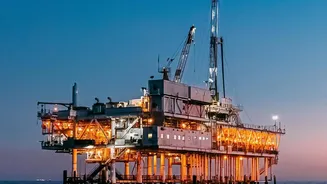
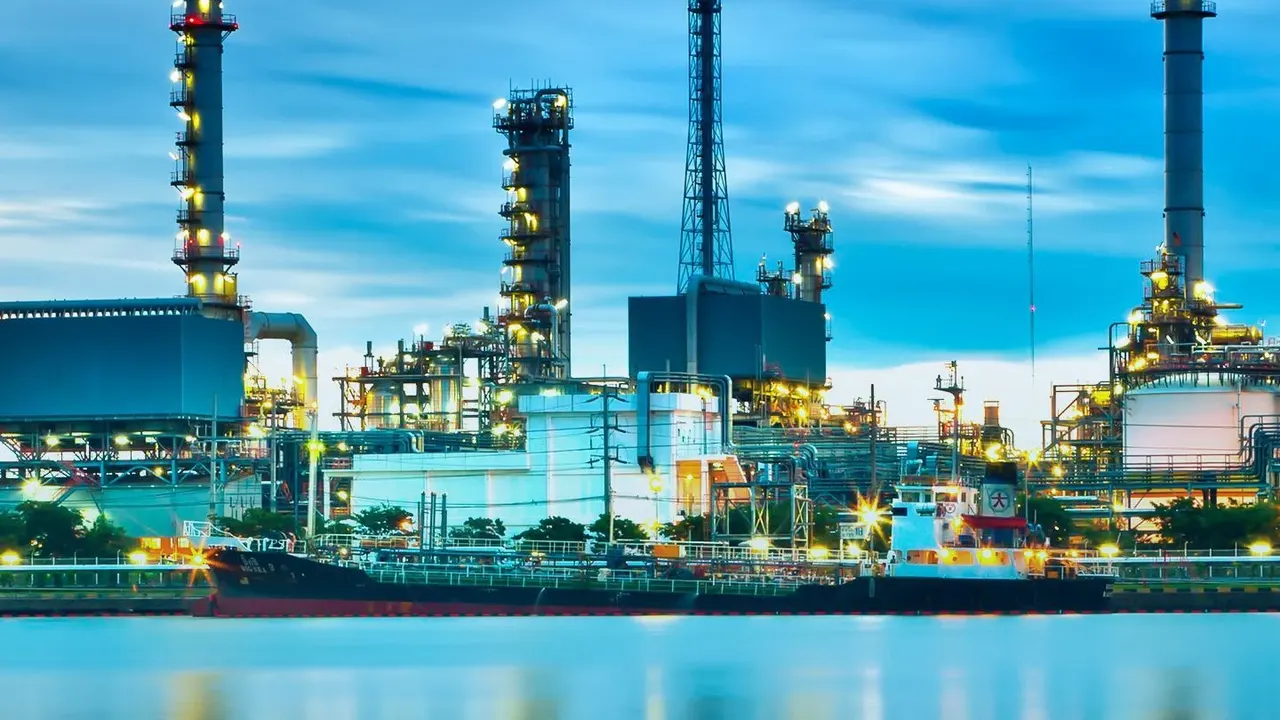
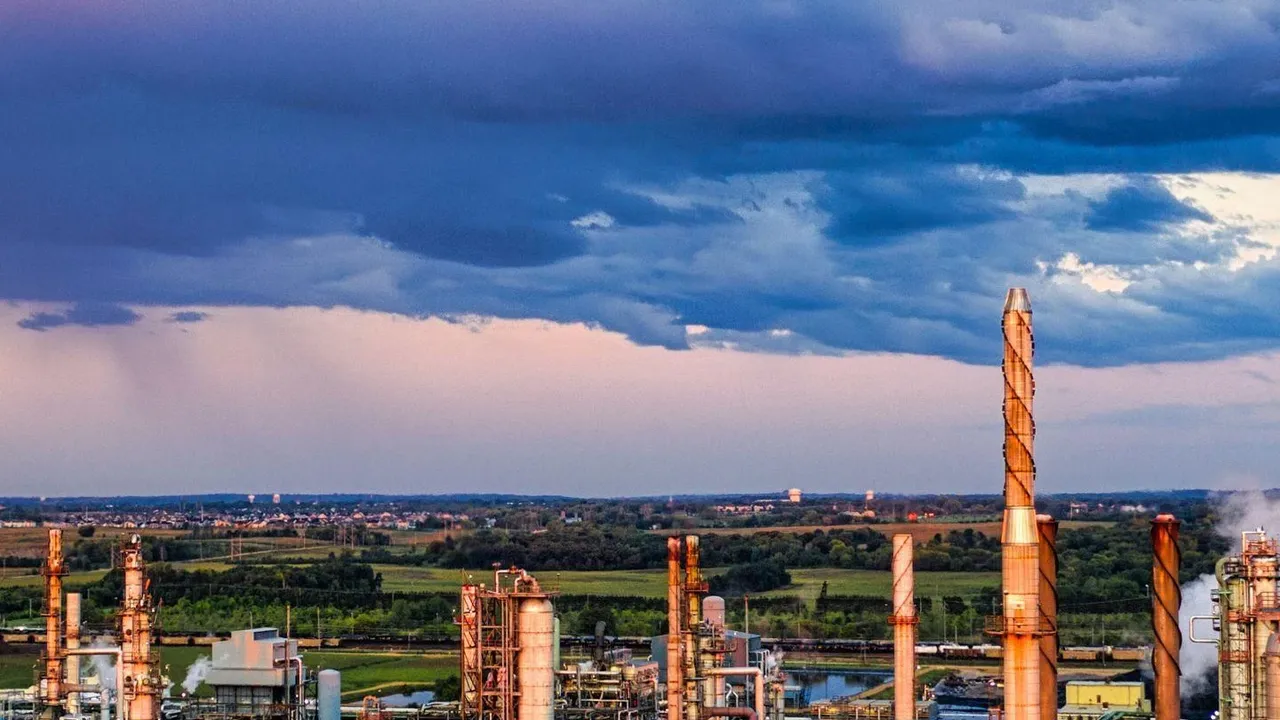
and the US dollar-rupee exchange rate are the foundational starting points. Once crude oil is purchased and shipped to India, it is sent to refineries. These facilities 'crack' the crude oil into various finished products, including petrol, diesel, jet fuel, and more. From the refinery, the fuel is transported to distribution terminals and then finally to the thousands of petrol pumps across the country. Each step in this supply chain adds to the final cost.
More Than Just the Oil Price
The cost of crude oil itself makes up only a fraction of the retail price. In India, taxes are the single largest component after the base price. Both the central and state governments levy significant taxes—in the form of excise duty and Value Added Tax (VAT), respectively. Together, these taxes can account for nearly half of the total price a consumer pays. On top of crude costs and taxes, there are several other elements. Refineries have their own operating costs and profit margins, often referred to as the 'crack spread'. This is the difference between the cost of the crude oil they buy and the price of the refined products they sell. Then, there are logistics costs for distribution and marketing, and finally, the commission for the petrol pump dealer.
The Famous 'Rockets and Feathers' Lag
Drivers often notice that pump prices seem to shoot up like a rocket when crude oil gets expensive, but fall like a feather when crude prices drop. This isn't just a perception; there are economic reasons for it. When crude prices rise, wholesale fuel prices adjust quickly. Petrol stations must raise their prices to cover the anticipated higher cost of replacing their current inventory. If they don't, they risk selling their current stock at a loss relative to what it will cost to refill their tanks. Conversely, when crude prices fall, station owners may still be sitting on fuel that they purchased at the previous, higher price. They tend to lower prices more gradually to avoid selling this expensive inventory for less than they paid for it. This process can take days or even a couple of weeks to fully reflect at the pump.
Global Events and Local Demand
The gap between crude and retail fuel is also influenced by a host of other factors. Geopolitical tensions, like the recent concerns over the Strait of Hormuz, can add a 'risk premium' to oil prices, causing them to spike suddenly. Decisions by oil-producing alliances like OPEC+ on production levels also play a crucial role. Furthermore, seasonal demand shifts can affect refinery margins. For example, higher demand for gasoline during summer driving seasons in the West or for heating oil in the winter can make refining certain products more profitable, influencing the price of all refined fuels. In India, ethanol blending is another factor, introduced to reduce import dependence and buffer against crude price shocks.