



The Rise of Guilt-Free Indulgence
The dessert landscape in India is changing. A growing awareness of health and fitness has consumers looking for treats that don’t compromise their wellness goals. This shift has paved the way for a new generation of frozen desserts, with high-protein
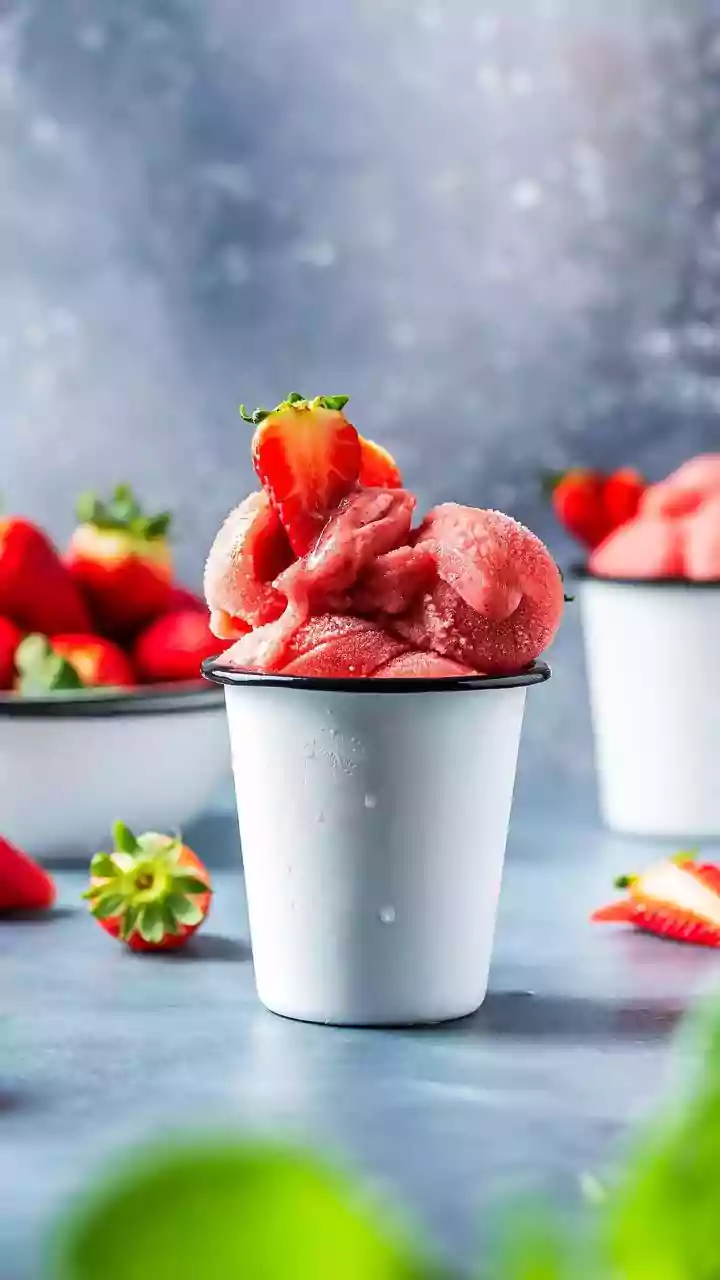
ice cream emerging as a clear frontrunner. Unlike traditional ice cream, which is primarily sugar and fat, this modern alternative is fortified with protein, making it a more functional and satisfying choice. Brands are responding to a clear demand from urban consumers who want to enjoy dessert without derailing their diet. It’s a trend that perfectly blends pleasure with purpose, offering a sweet treat that works for your body, not against it.
What’s the Nutritional Difference?
The main distinction between regular and protein ice cream lies in the macronutrient profile. A typical serving of traditional ice cream might contain 3-5 grams of protein and over 20 grams of sugar, with a calorie count between 250 and 300. In stark contrast, a quality protein ice cream can offer 10 to 20 grams of protein per serving, often with little to no added sugar and fewer calories overall. This is achieved by using protein concentrates from dairy (like whey and casein) or plants, and sweetening with alternatives like stevia or monk fruit. The result is a dessert that helps you feel full, supports muscle repair, and avoids the blood sugar spike associated with conventional sweets.
A Flavour for Every Palate
This new wave of frozen treats isn’t limited to basic vanilla and chocolate. Indian brands like Get-A-Whey, Lean, and NOTO are innovating with a wide array of flavours that cater to local tastes. You can now find everything from Filter Coffee and Blueberry Cheesecake to more traditional Indian dessert flavours reimagined as healthy, low-calorie options. This expansion proves that choosing a healthier dessert doesn’t mean sacrificing variety or taste. Many brands are also offering vegan, dairy-free, and keto-friendly lines to cater to various dietary needs.
Making It at Home
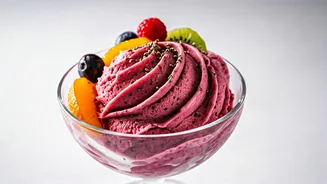
The trend has also sparked a DIY movement, with many creating their own protein ice cream at home. The process is surprisingly simple and requires just a few key ingredients. A popular base involves blending frozen bananas until creamy, which provides a natural sweetness and ice-cream-like texture. To this, you can add a scoop of your favourite protein powder (whey, casein, or plant-based), a splash of milk or a substitute, and a flavouring like cocoa powder or vanilla extract. Some recipes use cottage cheese or Greek yogurt for an even creamier, higher-protein base. Using a high-speed blender or a food processor is all you need to whip up a serving in minutes, which you can enjoy immediately as a soft-serve or freeze for a firmer consistency.
What to Look For When Buying
When you're navigating the growing options in stores, it pays to read the label. Look for a product with a significant amount of protein, ideally 10 grams or more per serving. Check the sugar content and the type of sweeteners used; natural, zero-calorie options like stevia and monk fruit are often preferred over sugar alcohols, which can cause digestive issues for some people. Finally, scan the ingredient list. While some thickeners and gums are necessary to achieve a creamy texture without the high fat content, a shorter, more recognisable ingredient list is generally a good sign. The goal is to find a treat that is both delicious and genuinely nutritious.