




A deadly incident in Nepal’s Annapurna region this week has once again put a harsh spotlight on the trekking industry. As rescue efforts conclude, local reports suggest the tragedy was preventable, raising urgent questions about why weather warnings were
ignored.
Tragedy at High Altitude
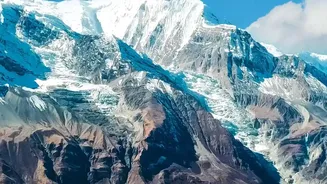
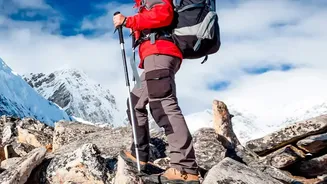
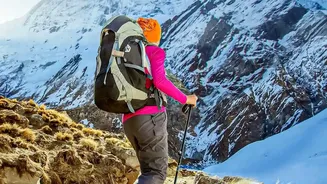
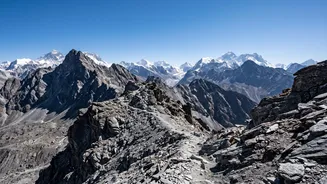
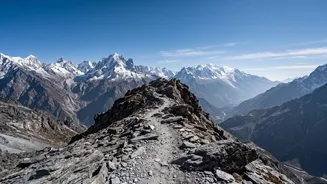
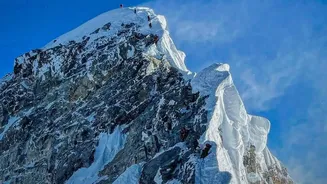
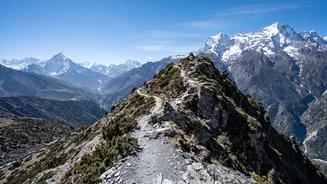
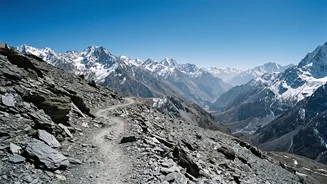
In the early hours of Wednesday morning, a group of international trekkers and their local guides were caught in a sudden, violent blizzard near the Thorong La Pass, one of the highest points on the iconic Annapurna Circuit. Reports from Nepal's tourism authorities confirm multiple fatalities, with several other trekkers suffering from severe frostbite and altitude sickness before rescue helicopters could reach them. The group was attempting to cross the treacherous 5,416-metre pass to reach the sacred site of Muktinath. Eyewitness accounts from survivors describe a terrifying scene where visibility dropped to near zero in minutes, and howling winds created whiteout conditions, making it impossible to follow the trail. The incident serves as a brutal reminder of the unforgiving nature of the Himalayas, where weather can turn from serene to savage with breathtaking speed.
The Warnings Were Clear
What makes this incident particularly heart-wrenching is the assertion from local officials and media that it could have been avoided. Nepal's Department of Hydrology and Meteorology had issued specific warnings two days prior, forecasting heavy snowfall and unusually strong winds for the exact region the trekkers were entering. These advisories were reportedly disseminated to trekking agencies, guide associations, and checkpoints along the route. According to reports in Kathmandu-based newspapers, many other groups heeded the warning, choosing to halt their ascent and wait for a clearer weather window in the lower-altitude town of Manang. The key question investigators are now asking is why this particular group proceeded despite the clear and present danger outlined in the official forecast. This has ignited a difficult conversation about accountability and decision-making on the mountain.
A Familiar and Dangerous Pattern
For veteran mountaineers and long-time observers of Nepal's trekking industry, this story is tragically familiar. Similar incidents have occurred with alarming regularity over the years. The deadliest event in recent memory was the 2014 Hudhud blizzard, which claimed over 40 lives in the same Annapurna region under comparable circumstances. In almost every case, a post-tragedy analysis reveals a combination of factors: underestimation of the weather forecast, 'summit fever' driving trekkers to push their limits, and commercial pressures that compel guides to stick to tight itineraries. Clients often have limited vacation time and have invested significant money into their trip, creating an unspoken pressure to keep moving forward, regardless of conditions. Guides, who depend on completing treks for their livelihood, can find themselves in a difficult position, caught between client expectations and their better judgment.
The Complex Web of Responsibility
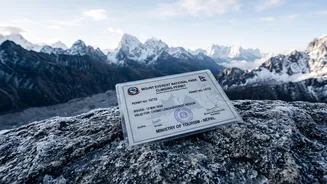
Pinpointing blame is never simple. While individual choice plays a role, systemic issues within the adventure tourism sector are a significant contributor. Some experts point to a gap in how weather information is communicated on the ground, especially to independent trekkers or those with less experienced guides. Others highlight the fierce competition among trekking companies, which can sometimes lead to cutting corners on safety protocols or hiring guides without adequate high_altitude crisis training. The very allure of the Himalayas—their raw, untamed beauty—is predicated on their inherent risk. However, the line between acceptable risk and reckless endangerment can become dangerously blurred when clear scientific warnings are disregarded. The incident forces a reckoning with who bears the ultimate responsibility when things go wrong: the trekker, the guide, the company, or the regulatory bodies overseeing the industry.