






The Post-Meal Blood Sugar Rollercoaster
After you eat, particularly a meal rich in carbohydrates, your body breaks down the food into glucose, which enters your bloodstream. This causes your blood sugar levels to rise. For many, this leads to a sharp spike followed by a crash, leaving you feeling
tired and lethargic. Over time, frequent and high blood sugar spikes can strain your body's metabolic systems and increase the risk for conditions like type 2 diabetes. Research has shown that blood sugar levels are often at their highest between 30 and 90 minutes after eating, which is the critical window to intervene.
How Walking Puts Your Muscles to Work
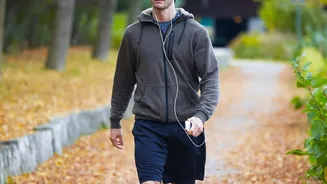
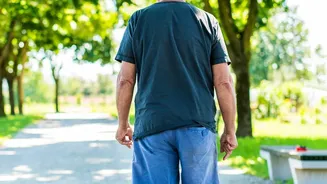
This is where a post-meal walk works its magic. When you engage in light physical activity like walking, your muscles need energy. To get this energy, they pull glucose directly from your bloodstream. This process acts like a sponge, soaking up the excess sugar before it can cause a significant spike. This mechanism is so effective that some studies suggest just a few minutes of walking after a meal can improve blood sugar control. A 15-minute walk provides a substantial benefit, helping to blunt the glucose peak and leading to more stable energy levels.
Unlocking Posture and Easing Stiffness
Many people eat their meals while sitting and then remain seated afterwards, whether at an office desk or on a sofa at home. This prolonged sitting can lead to muscle stiffness, particularly in the back, hips, and legs. A short, gentle walk is an excellent antidote. It promotes blood flow and circulation throughout the body, delivering oxygen to your muscles and helping to relieve tension. The simple act of moving your limbs through a range of motion prevents the stiffness that comes from being static, improving flexibility and leaving you feeling more limber and comfortable.
The Added Bonus: Better Digestion
Beyond blood sugar and muscles, a post-meal stroll is also a well-known aid for digestion. Gentle movement stimulates your stomach and intestines, helping to move food through your digestive system more efficiently. This can significantly reduce uncomfortable symptoms like bloating, gas, and that heavy, overly full feeling that can sometimes follow a large meal. Studies have even shown that regular post-meal walks can be more effective at reducing these symptoms than some medications.
Making the 15-Minute Habit Stick
Incorporating this habit into your life doesn't have to be complicated. The key is consistency. If you work in an office, use your post-lunch break for a quick walk around the block. At home after dinner, make it a family affair and take a stroll through your neighbourhood. Even walking around your living room while listening to music or a podcast for 15 minutes counts. The goal is to simply get on your feet and move shortly after you finish eating. Think of it not as a workout, but as the concluding part of your meal, essential for helping your body process it well.