


A Shift in Style and Substance
The renewed popularity of terracotta signifies more than just a fleeting trend; it represents a deeper change in consumer values. For years, home decor was dominated by cool-toned greys and whites, often realized in plastic or other synthetic materials.
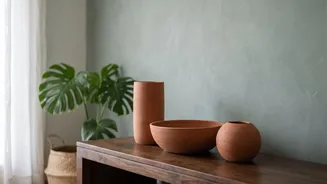
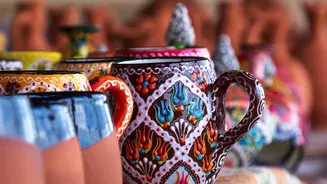
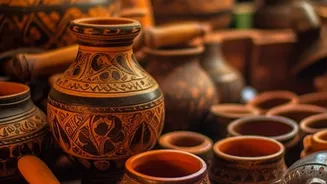
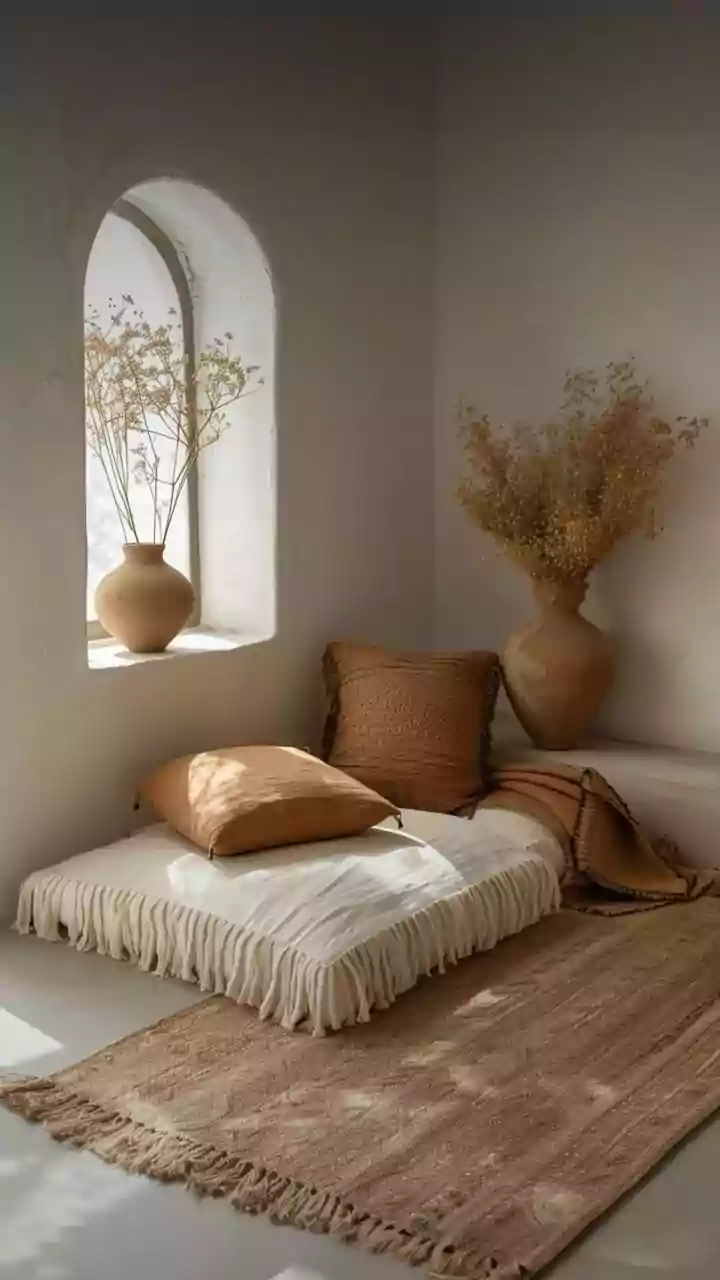
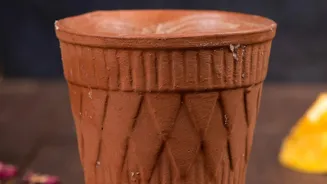
Now, a younger generation is actively seeking warmth, texture, and authenticity. Terracotta, which translates to 'baked earth,' delivers on all fronts. Its signature palette of burnt oranges, rosy pinks, and earthy browns provides a welcome contrast to sterile, minimalist interiors, creating spaces that feel grounded and inviting. This move isn't just about colour; it's about a tactile experience. The slightly porous, matte surface of unglazed terracotta has a raw, handmade quality that sleek plastic simply cannot replicate, adding character and depth to modern homes.
Sustainability as a Core Value
For many Gen Z consumers, decorating is a form of activism, and choosing homewares is no exception. This generation, having grown up with a keen awareness of climate change and plastic pollution, is making more environmentally conscious choices. Terracotta, made from natural clay, is seen as a sustainable alternative to petroleum-based plastics. The move away from plastic is a direct response to concerns about its environmental impact, from production to its longevity in landfills and oceans. Studies show that Gen Z is willing to spend more on products from sustainable companies and actively shuns brands that use excessive plastic. By opting for terracotta, they are choosing a durable, natural material that is biodegradable and aligns with a desire for a low-waste, non-toxic living environment.
The Search for Authenticity and Story
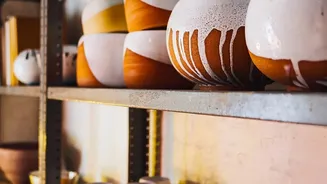
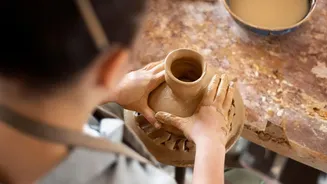
In an age of fast furniture and mass-produced goods, handcrafted items offer a powerful sense of connection and individuality. Each terracotta piece, with its slight variations in colour and form, tells a story of its maker and materials. This uniqueness is highly valued by a generation that prizes self-expression. Choosing a handcrafted lamp or vase from a local artisan over a generic plastic item is a way to reject anonymous consumer culture and build a home filled with meaningful objects. This trend resonates deeply in India, where terracotta has been a part of cultural and household traditions for centuries. For Indian Gen Z, it's a modern reinterpretation of heritage, blending timeless craft with contemporary aesthetics.
Fueled by the Digital World
The terracotta trend has been amplified and accelerated by visual social media platforms like Instagram, Pinterest, and TikTok. These platforms have become the new design magazines for Gen Z, where trends emerge and spread rapidly through hashtags and influencer posts. A single viral video can launch a new aesthetic, and terracotta’s photogenic qualities make it a social media star. The warm tones and interesting textures pop on screen, inspiring millions to incorporate the look into their own spaces. This digital ecosystem creates a feedback loop: influencers showcase terracotta, followers get inspired and seek out similar items, and brands respond to the growing demand, making these products more accessible than ever.
Beyond the Planter Pot
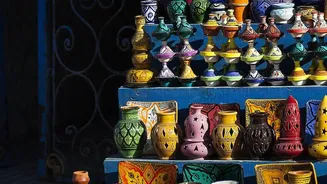
While the classic terracotta planter remains a staple of the biophilic (nature-loving) design trend popular with younger generations, the material’s use has expanded far beyond the garden. Designers and homeowners are using it for everything from statement lighting and dinnerware to decorative sculptures and even wall tiles that add warmth to kitchens and bathrooms. The versatility of terracotta allows it to be integrated into various design styles, whether it's a rustic farmhouse kitchen, a bohemian living room, or a minimalist space needing an earthy accent. This adaptability ensures that terracotta is not just a passing fad but a lasting material choice for a generation building homes that are stylish, sustainable, and full of personality.