






Understanding the Enemy: Humidity and Mould
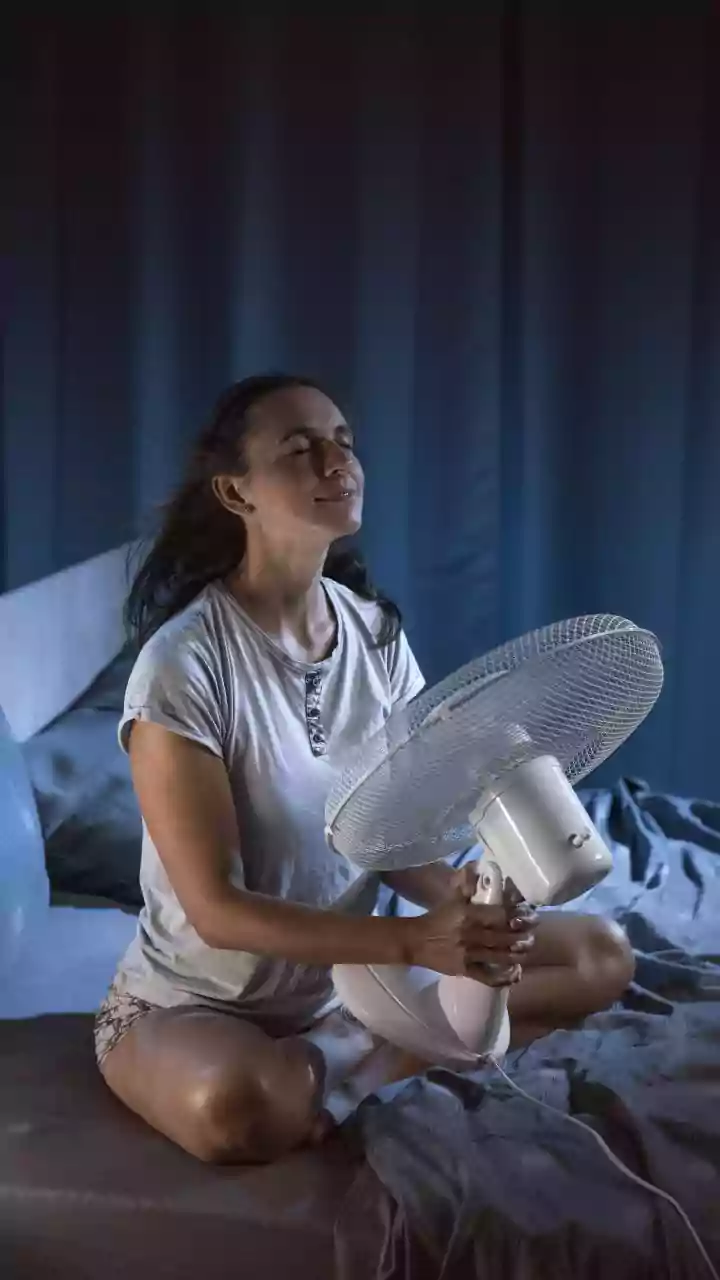
High indoor humidity is more than just uncomfortable; it's the primary cause of mould and mildew. When airborne moisture settles on surfaces, it creates the perfect breeding ground for these fungi. Mould can damage walls, furniture, and fabrics, while
also releasing spores that may trigger allergies and respiratory issues. Areas like bathrooms, kitchens, and laundry rooms are particularly vulnerable due to steam and poor ventilation. Controlling the moisture level is the first and most critical step in preventing mould from taking hold in your home.
Nature’s Dehumidifiers: Plants That Absorb Moisture
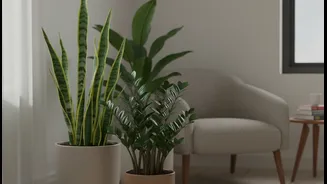
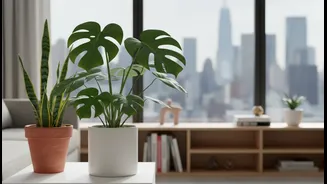
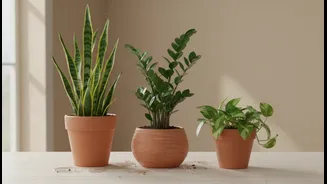
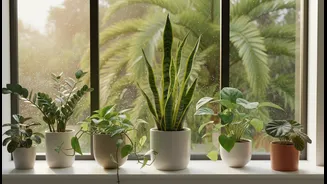
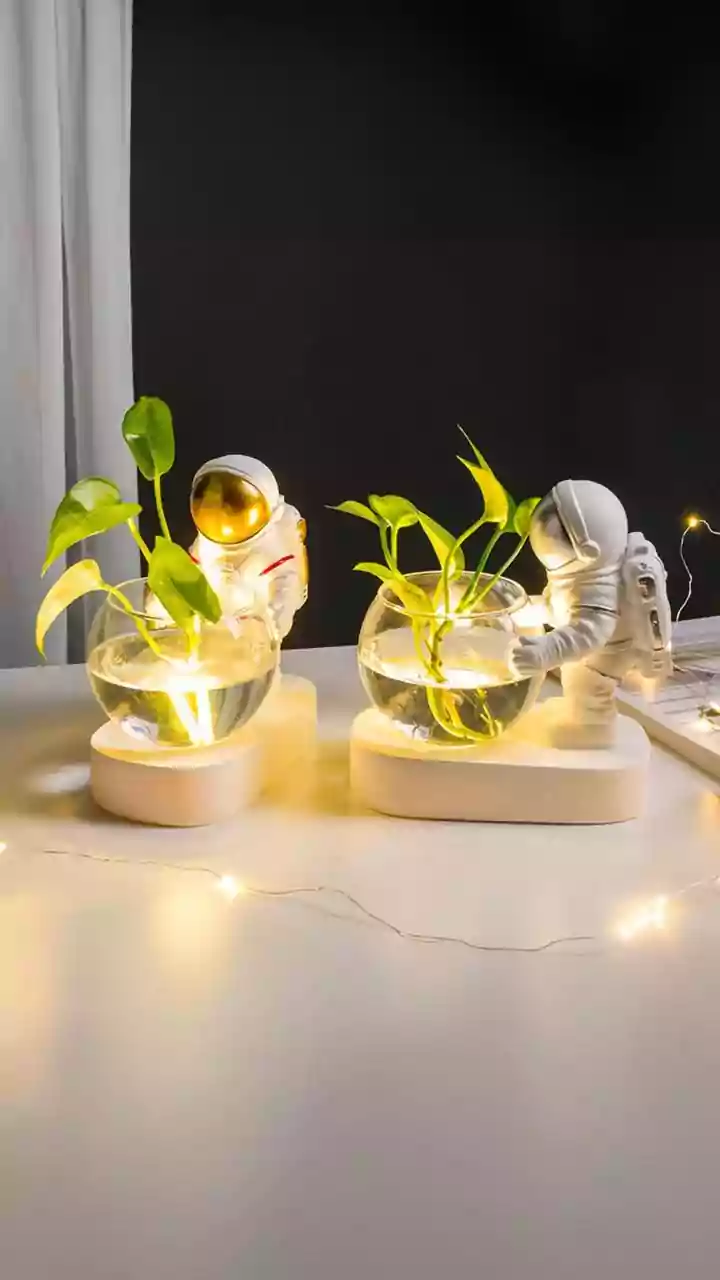
Certain indoor plants act as natural, living dehumidifiers by absorbing excess moisture from the air through their leaves. They are an effective and aesthetically pleasing way to regulate humidity. Here are a few top performers easily available in India: Peace Lily (Spathiphyllum): A champion in purifying air and absorbing moisture, the Peace Lily thrives in humid conditions and can tolerate lower light, making it perfect for bathrooms. Its large leaves are efficient at drawing in moisture. Snake Plant (Sansevieria): Exceptionally low-maintenance, the Snake Plant is known for its hardiness and ability to filter airborne toxins. It helps regulate humidity and even releases oxygen at night, making it a great choice for bedrooms. Boston Fern (Nephrolepis exaltata): With its dense, feathery fronds, the Boston Fern is a humidity-balancing powerhouse. It loves moist climates and will happily soak up the steam in a bathroom or laundry area. Spider Plant (Chlorophytum comosum): This resilient plant is excellent at removing both pollutants and excess moisture from the air. It's adaptable and thrives in the bright, humid conditions often found in kitchens and bathrooms.
Your Second Defence: Anti-Mould Textiles
While plants tackle airborne moisture, anti-mould textiles provide a crucial second layer of defence for your furniture and decor. These fabrics are either made from naturally resistant materials or have been treated to inhibit the growth of mould and mildew. Materials like polyester, acrylic, and olefin are synthetic options that don't readily absorb moisture, making them ideal for curtains, upholstery, and cushions in damp-prone areas. Some high-performance fabrics are specifically engineered with antimicrobial technology that is built into the fibres during manufacturing, offering durable protection against stains and odours caused by mildew. For a more natural approach, materials like tightly-woven wool and hemp have inherent antimicrobial properties.
The Synergy of Strategic Placement
The key to success is creating a synergistic system where plants and textiles work together. Thoughtful placement is everything. Position your moisture-absorbing plants in the areas where humidity collects the most. Place a Peace Lily or Boston Fern in the corner of your bathroom to soak up shower steam. A Spider Plant can thrive on a kitchen shelf, absorbing cooking humidity. A Snake Plant next to a bedroom window can help manage overnight condensation. By grouping several plants, you can create a microclimate with higher humidity for the plants to share, enhancing their overall effectiveness. Complement this by using anti-mould textiles in the same zones. Use polyester or acrylic curtains in the bathroom instead of cotton, which can trap dampness. Choose upholstery with moisture-resistant qualities for chairs in a poorly-ventilated living area. By placing the natural dehumidifying power of plants right where moisture-resistant fabrics are used, you create an environment that is actively hostile to mould growth from the air to the surface.