




An Alarming Spike in Pollution
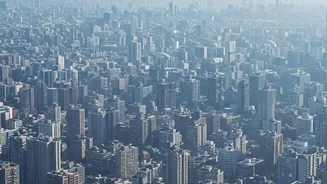
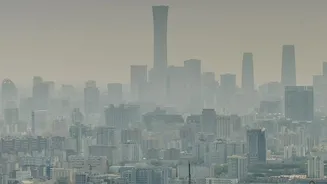
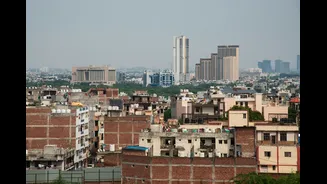
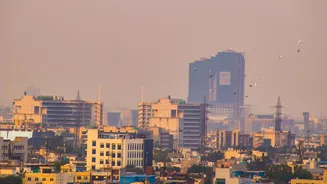
On November 4, 2026, Rajasthan's Bikaner reportedly became India's most polluted city, with its Air Quality Index (AQI) soaring to a shocking 1,357 in the morning. Punjab's Bathinda was not far behind, ranking second with an AQI of 883. Other reports
from November 3 showed Bathinda's AQI reaching as high as 1,124. To put these numbers into perspective, an AQI above 401 is categorised as 'Severe' or 'Hazardous' by the Central Pollution Control Board (CPCB), a level that poses serious health risks for the entire population and can affect even healthy people. Readings above 500 are considered beyond the scale, indicating emergency conditions where even short-term exposure can cause immediate health effects.
Why Is This Happening Now?
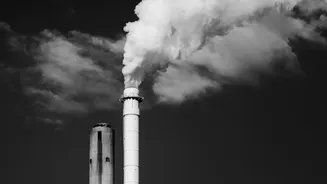
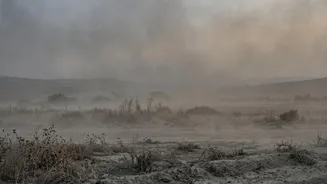
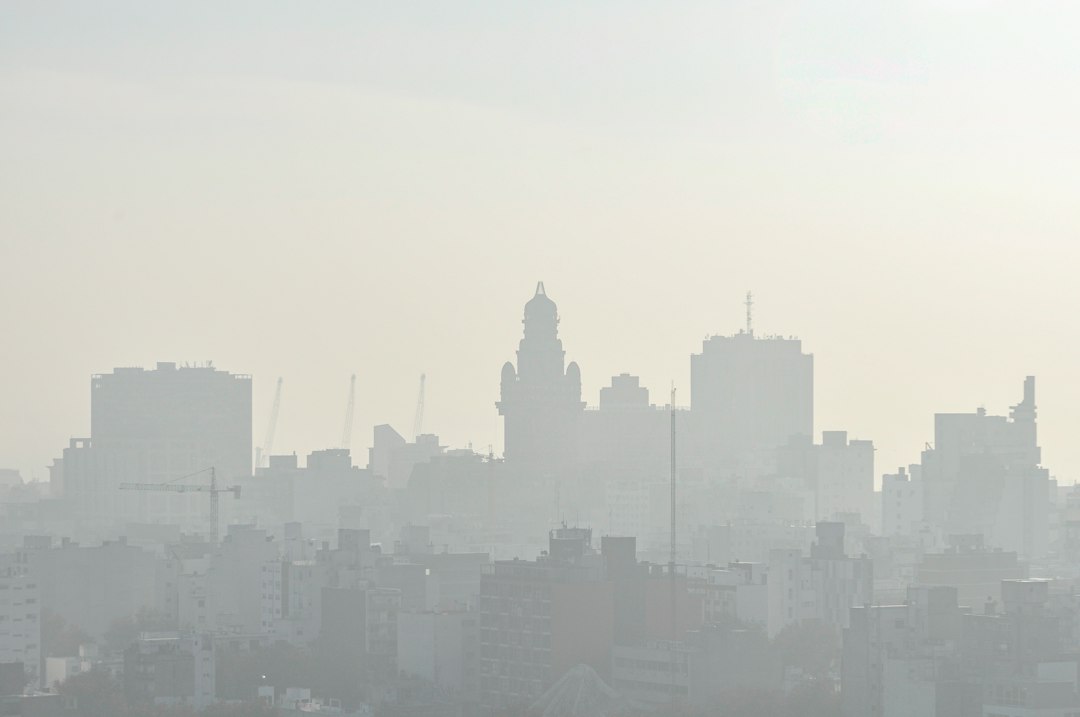
This annual pollution crisis in the Indo-Gangetic plains is a complex problem driven by multiple factors. The period between October and November sees a sharp rise in stubble burning by farmers in Punjab and Haryana to clear their fields, which contributes significantly to particulate matter in the air. This is compounded by emissions from vehicles and industries, as well as construction dust. Weather plays a critical role, too. During winter, cooler, denser air near the ground gets trapped by a layer of warmer air above—a phenomenon called temperature inversion. This, combined with low wind speeds, prevents pollutants from dispersing, creating a thick, toxic smog that engulfs the region for days or weeks.
Stay Informed: Monitor the AQI
The first step to protecting yourself is staying aware of the daily air quality. Use reliable apps or websites that provide real-time AQI data for your specific location. The CPCB classifies AQI into six categories: Good (0-50), Satisfactory (51-100), Moderate (101-200), Poor (201-300), Very Poor (301-400), and Severe (401-500). On days when the AQI is 'Very Poor' or 'Severe', it is crucial to take precautions. Plan your outdoor activities for times of the day when pollution levels are typically lower, although staying indoors is the safest option.
Limit Outdoor Exposure
When pollution levels are hazardous, the most effective way to reduce exposure is to stay indoors as much as possible. This is especially critical for vulnerable individuals, including children, the elderly, pregnant women, and people with pre‐existing heart or lung conditions like asthma or COPD. Avoid strenuous outdoor exercise such as running or cycling, as this increases the amount of polluted air you inhale. If you must go out, try to keep it brief and avoid peak traffic hours. Consider rescheduling non‐essential errands for a day with better air quality.
Choose and Use the Right Mask
Standard cloth or surgical masks offer little protection against the most dangerous pollutants—fine particulate matter known as PM2.5. These tiny particles can penetrate deep into the lungs and enter the bloodstream, causing serious health issues. For effective protection, use a well‐fitting N95 or FFP2 respirator. Ensure the mask creates a tight seal around your nose and mouth with no gaps. Remember to replace disposable masks regularly, especially if they become damp or dirty.
Keep Your Indoor Air Clean
Pollutants can easily seep into your home. Keep windows and doors closed during high‐pollution periods. An air purifier with a High‐Efficiency Particulate Air (HEPA) filter can be a worthwhile investment, significantly reducing the concentration of airborne particles in the rooms where you spend the most time. Avoid activities that add to indoor pollution, such as burning incense or candles. Use exhaust fans while cooking and ensure your home is regularly cleaned with a damp cloth to remove settled dust.
Know the Health Warning Signs
Exposure to severe air pollution can cause immediate symptoms, even in healthy individuals. Be alert for signs like persistent coughing, wheezing, shortness of breath, chest tightness, headaches, and irritation in the eyes, nose, or throat. For those with existing respiratory or cardiac conditions, these symptoms can be more severe. If you experience serious symptoms like difficulty breathing or chest pain, do not ignore them.