




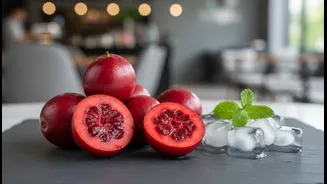



First, What Exactly is Kokum?
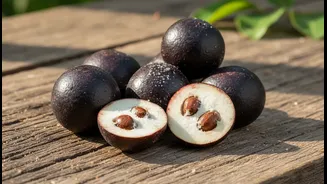
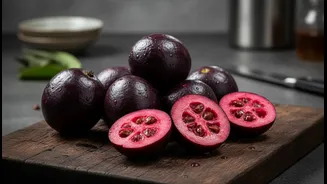
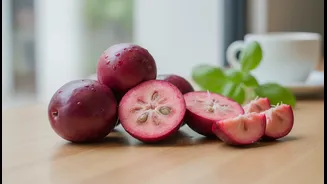
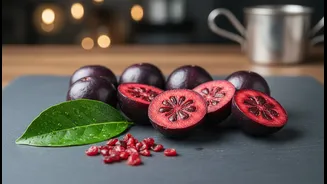
Before it was an artisanal beverage, kokum was a humble fruit from India's Western Ghats. Scientifically known as Garcinia indica, this small, deep purple fruit is a cousin of the mangosteen. When fresh, it's eaten raw, but it's more commonly used in its
dried form, where the purplish-black rinds deliver a unique sour and slightly sweet flavour, without the sharp bite of tamarind. For generations, it has been a staple souring agent in the coastal cuisines of Maharashtra, Goa, and Karnataka, adding a tangy depth to curries and dals.
The Taste of Tradition
For many Indians, the taste of kokum is the taste of home and summer holidays. It’s the soul of Solkadhi, a soothing pink-hued digestive drink made with coconut milk that is a fixture in Konkan meals. It is also the star of Kokum Sharbat, a refreshing, deep-red cooler that has been a go-to remedy for beating the summer heat for centuries. Traditionally valued in Ayurveda for its cooling properties, kokum was used to balance the body's heat, aid digestion, and prevent dehydration. This is the legacy that today's cafe culture is tapping into.
The Modern Cafe Reinvention
So, how did this traditional fruit get its modern glow-up? The cafe makeover of kokum is all about reinterpretation. Baristas and chefs are now using kokum's unique flavour profile to create drinks and dishes that feel both new and nostalgic. Instead of a simple sharbat, you might find a sparkling kokum spritzer with mint and ginger, or a kokum-infused iced tea. Mixologists are crafting sophisticated cocktails, using kokum syrup or shrub to add a tart, acidic kick to gin and tonics or whiskey sours. Beyond drinks, its tangy flavour is being used in salad dressings, glazes for meats, and even in desserts, offering a surprising counterpoint to sweetness.
A Comeback Fueled by Wellness
The resurgence of kokum isn’t just about flavour; it’s perfectly timed with the wellness wave sweeping across urban India. As young consumers become more health-conscious, they are actively seeking out natural, local ingredients with functional benefits. Kokum fits the bill perfectly. It's rich in antioxidants and is celebrated for its digestive properties, including soothing acidity and improving gut health. The active compound in kokum, hydroxycitric acid (HCA), has also been studied for its potential role in weight management. In a world of processed foods, a drink that’s both delicious and genuinely good for you is a powerful draw.
A Symbol of a New Indian Cool
Ultimately, kokum’s journey from coastal kitchens to chic cafes is about more than just a fruit. It represents a broader trend among young Indians: a confident and creative reconnection with their own culinary heritage. This generation is not rejecting tradition but reinventing it, blending local ingredients with global formats to create something uniquely their own. Choosing a kokum cooler over a generic cola is a small act of cultural pride. It’s about celebrating Indian biodiversity, supporting local producers, and acknowledging that the ingredients from our grandparents' kitchens are not just healthy, but incredibly cool.