






The Untapped Potential in Sikkim's Skies
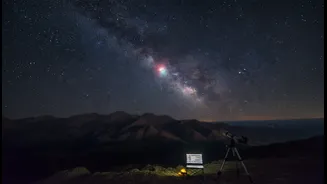
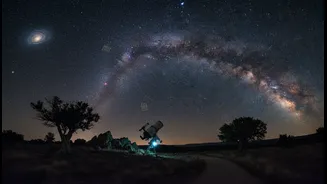
Sikkim, with its clear nights and low light pollution, is a stargazer's paradise. This unique advantage positions the state perfectly for a boom in citizen science—public participation in scientific research. In astronomy, this can involve anything from
tracking meteor showers and discovering asteroids to mapping constellations and collecting data for professional researchers. Successful initiatives in other Himalayan regions like Ladakh and Himachal Pradesh have shown that astro-tourism can create sustainable livelihoods for local communities. By training local guides and homestay owners, these projects empower residents to become ambassadors of the cosmos, turning a natural asset into an economic and educational opportunity. For Sikkim, embracing citizen science astronomy isn't just about looking at the stars; it's about fostering a scientific temper among its youth, creating new tourism avenues, and contributing valuable data to the global scientific community. The government's existing science and technology framework, which already focuses on outreach and capacity building, provides a foundation to build upon.
The Mentorship Gap: More Than Just Information
Passion for the night sky is the first step, but it can quickly fade without guidance. The most significant challenge for budding citizen scientists in Sikkim is the absence of sustained mentorship. A one-off workshop or a star-gazing event can spark interest, but it's the ongoing relationship with an experienced guide that truly builds skill and confidence. Mentorship in science is more than just teaching; it's about building a community and a sense of identity. A good mentor helps a learner navigate challenges, answers follow-up questions, and provides encouragement to keep exploring. This ongoing support is crucial for turning initial curiosity into a long-term passion and eventually, expertise. Without a network of local mentors—be they teachers, amateur astronomers, or trained guides—enthusiasts are often left with a telescope they don't fully know how to use or a sky full of objects they can't identify. This gap prevents the growth of a self-sustaining community of practice, where knowledge is shared and passed down.
Tools of the Trade: Beyond the Naked Eye
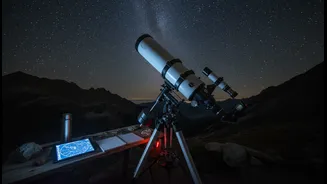
The second major hurdle is access to the right tools. While many believe astronomy requires expensive, complex telescopes, the reality is more nuanced. Much can be seen with the naked eye or a simple pair of binoculars. However, to truly participate in citizen science, more is needed. Even entry-level telescopes can be costly and intimidating without proper setup instructions. Furthermore, the most powerful tool for a modern astronomer is often a smartphone with the right applications. Apps can help identify constellations, track satellites, and provide detailed information about celestial events. But their use depends on digital literacy and reliable internet access, which can be a challenge in remote areas. Accessible tools aren't just about cost; they're about usability. This includes providing DIY telescope kits, training on how to use star-mapping software, and ensuring that information is available in a digestible format. Without these accessible entry points, the barrier to entry remains too high for most people.
Building a Sustainable Ecosystem for Stargazers
The solution lies in creating a supportive ecosystem. This means moving beyond isolated events and building structured programmes. Drawing inspiration from successful models elsewhere, Sikkim could establish 'astro-hubs' in collaboration with local schools and panchayats. The Sikkim State Council of Science and Technology could play a pivotal role by developing a 'train the mentor' programme, equipping teachers and local entrepreneurs with the skills to guide others. This creates a cascading effect, where knowledge spreads organically through the community. Partnering with national astronomy clubs and institutions could provide access to curated resources and guest lectures. Furthermore, integrating basic astronomy into the school curriculum, supported by the Sikkim Science Centre, would ensure that interest is kindled from a young age. By focusing on building local capacity and providing a clear pathway for learning—from a simple sky-gazing app to a community-operated telescope—Sikkim can systematically overcome these limitations and unlock the immense potential of its night skies.