

The Convenience Factor: A Snack for the Fast Lane
Modern urban life in India is defined by speed. Longer work hours, draining commutes, and the rise of nuclear families mean less time for elaborate meal preparation. This time-scarcity has fuelled a booming convenience food market, projected to grow significantly
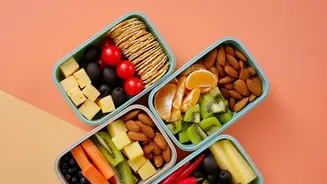
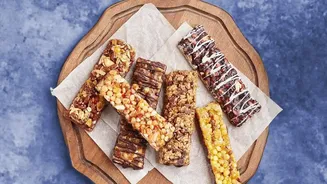
in the coming years. Protein snacks, from bars to cookies, fit perfectly into this new reality. They are portable, require no preparation, and serve as a quick, filling option between meals or on the go. For a generation juggling deadlines and personal commitments, the ability to get a satisfying snack without pressing pause is a powerful driver of choice, moving these items from the gym bag to the office drawer.
The Nutrition Narrative: A Health-Conscious Shift
Alongside the need for convenience is a profound shift in health awareness. A growing number of Indians are becoming more proactive about their wellness, driven by concerns over lifestyle diseases and greater access to health information online. This has led to a pivot towards preventive health, with a focus on diet and exercise. Protein is at the forefront of this nutritional awakening. Once seen as a supplement for serious athletes, it's now understood by the mainstream as essential for muscle health, satiety, and overall well-being. A 2026 survey found that a staggering 86% of Indians consider protein important when choosing a snack. This consciousness is turning snacks from a guilty pleasure into a functional part of a healthy diet.
From Niche to Mainstream: The Market Responds
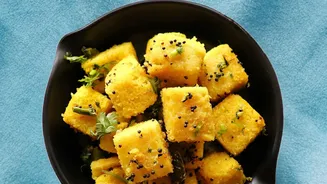
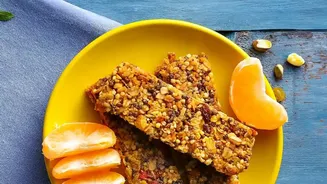
Capitalising on these twin trends, the market for protein-based products is booming, with projections expecting it to grow into a multi-billion dollar industry. What was once a niche category available only in specialty stores is now a mainstream fixture in supermarkets and on quick-commerce apps. Brands have moved beyond just bars, innovating with a wide array of products like protein-fortified chips, cookies, breakfast cereals, and even traditional Indian snacks reimagined with a protein boost. Established players and new startups are all vying for a piece of this expanding market, making protein snacks more accessible than ever.
Local Tastes in a Global Format
A key factor in the widespread adoption of protein snacks is flavour. Early versions often had a chalky texture or generic chocolate and vanilla tastes that didn't resonate with the Indian palate. Today, successful brands are localising their offerings. Protein bars now come in flavours like mango, cardamom, and masala, while savoury snacks incorporate familiar spices. This fusion of a modern, convenient format with traditional, beloved tastes has been critical in bridging the gap for consumers. Brands are also innovating with base ingredients, using millets like ragi and jowar, which are both traditionally Indian and appeal to modern health sensibilities.
The Road Ahead: Challenges and Opportunities
Despite the explosive growth, challenges remain. A significant portion of the Indian population is still protein-deficient, highlighting a large nutritional gap yet to be filled. Furthermore, some consumers find healthier alternatives to be expensive or struggle to trust the claims on the packaging. However, the trend shows no signs of slowing down. The growth is particularly fast in Tier-2 cities, indicating that protein consciousness is no longer just an urban elite phenomenon. As long as brands can deliver on taste, transparency, and accessible pricing, the protein snack is set to become an even more integral part of the Indian diet.