

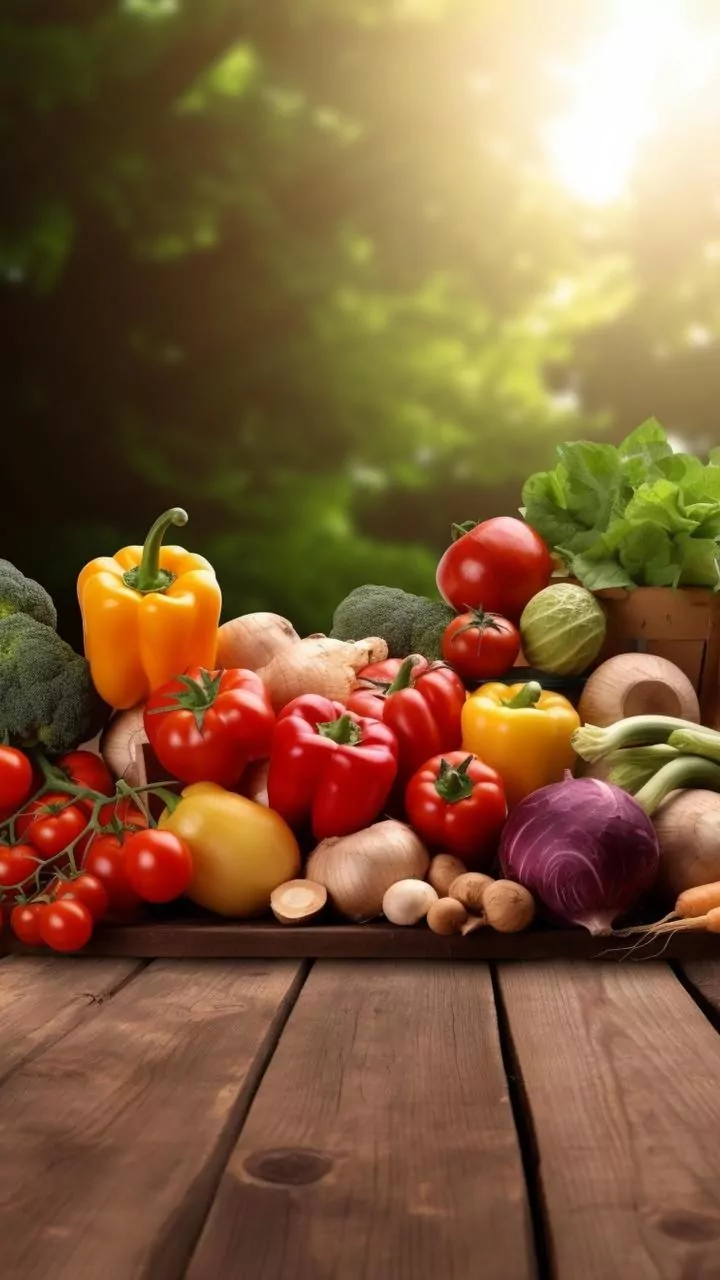




The Golden Rule: Look, Feel, and Smell
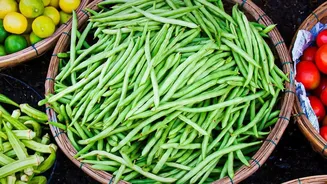
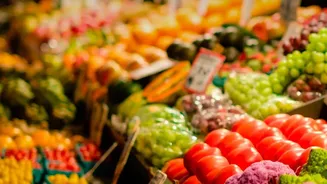
Before anything else, use your senses. Fresh vegetables should look vibrant, feel firm, and smell fresh. During the monsoon, this is more critical than ever. Avoid any produce that looks dull, feels slimy or mushy, or has a foul, unpleasant odour. These
are clear signs of decay. Pay attention to cuts, bruises, or dark spots, as these can be entry points for bacteria, which multiply rapidly in damp weather. Even a small patch of mould means the entire vegetable should be discarded. Don't be tempted by discounts on produce that is already showing signs of spoilage; it's a health risk.
Leafy Greens: Handle with Extra Care
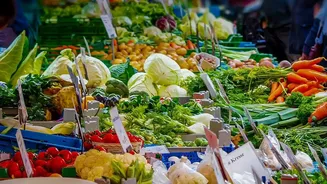
Spinach (palak), fenugreek (methi), cabbage, and coriander are particularly vulnerable during the monsoon. The layers and folds in their leaves can easily trap mud, tiny insects, and microbes, made worse by the season's moisture. When buying leafy greens, look for crisp, bright leaves. Avoid anything that is wilted, yellowing, or has slimy patches. Due to the high risk of contamination from soil and floodwater, many experts advise cooking leafy greens thoroughly rather than eating them raw in salads during this season.
Root Vegetables: Check for Firmness and Dryness
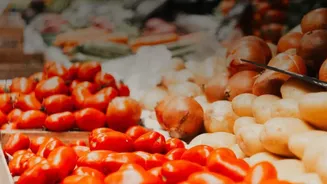
Potatoes, onions, carrots, and radishes grow underground and are susceptible to absorbing excess water and soil contaminants during the monsoon. When shopping, choose root vegetables that are firm, dry, and free of sprouts. Old potatoes will have sprouts, while carrots that are going bad will become mushy or slimy. A smooth, unbruised skin is a good sign. Avoid any that feel soft, have wet patches, or show signs of rot. Store them in a cool, dry, and dark place at home, never in the refrigerator, to prevent them from sprouting or rotting.
Gourds and Other Hardy Vegetables
Vegetables with a thick outer skin are generally a safer bet during the monsoon. Bottle gourd (lauki), ridge gourd (turai), pumpkin (kaddu), and pointed gourd (parwal) are excellent choices as their protective skin keeps the edible part safe from the elements. When selecting these, look for a firm, unblemished skin with good colour. They should feel heavy for their size, which indicates they are fresh and juicy. Avoid any with soft spots, cuts, or a shrivelled appearance.
Cruciferous Vegetables: Inspect the Florets
Cauliflower and broccoli need careful inspection. Their dense heads and crevices can trap moisture, dirt, and insects, creating a breeding ground for germs. Look for heads that are compact, white or bright green, and feel heavy. Check between the florets for any signs of worms, mould, or dark spots. If the florets are starting to separate or yellow, the vegetable is past its prime. Some sources recommend soaking these vegetables in warm water with a little salt before cooking to dislodge any hidden impurities.
Washing and Storing: The Final Steps to Freshness
Once you bring your vegetables home, proper handling is key. It's generally advised not to wash produce before storing, as moisture accelerates spoilage. Wash them just before you're ready to use them. A thorough rinse under running water is a good start. For extra safety, especially for leafy greens or vegetables you plan to eat raw, you can soak them for 10-15 minutes in a bowl of water with salt or a splash of vinegar to help remove microbes and pesticide residues. After washing, dry everything thoroughly with a clean cloth or paper towel. Store leafy greens wrapped in paper towels inside a perforated bag in the fridge to absorb excess moisture and maintain freshness.