


The End of the Annual Holiday
For decades, the Indian vacation was a well-defined event: one big, annual trip planned months in advance. But for many young people today, that model feels outdated. Recent reports indicate a major shift, particularly among Gen Z travellers. Seven in ten
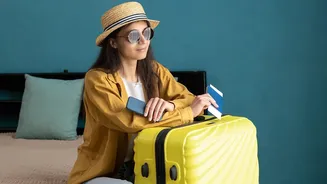
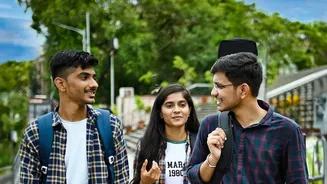
now say they would rather take multiple short trips than one long holiday. This trend sees them favouring getaways that last less than a week, often booked just days or weeks before departure. This isn't the death of the holiday, but its evolution. It has become more frequent, more personal, and far more spontaneous, morphing from a single, planned-out event into a series of reflexive responses to a long weekend, a bit of stress, or a friend simply asking, “Want to go somewhere?”
A Reaction to Routine
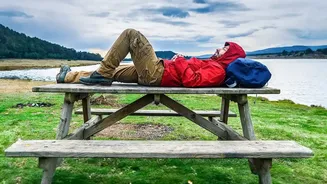
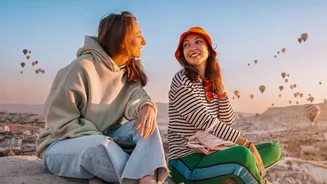
In a world that often feels over-scheduled, the appeal of an unplanned trip is its inherent freedom. Psychologists suggest that spontaneous travel can reduce the stress associated with methodical planning and introduce a sense of playfulness into our lives. For a generation navigating high-pressure academics, first jobs, and the constant demand to plan their futures, travel offers a rare chance to let go. It’s a deliberate break from routine, an opportunity to live in the moment rather than worrying about what’s next. Many young travellers now actively leave parts of their trips unplanned, with some travelling for the express purpose of doing nothing at all—simply to rest and recharge away from daily pressures.
The Search for Authenticity
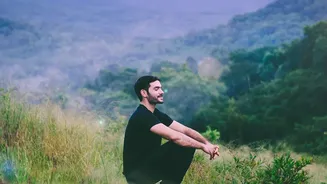
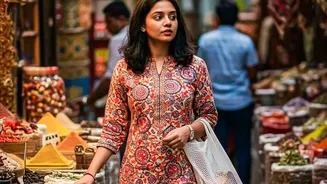
This move towards spontaneity is also tied to a deeper desire for authentic experiences. A recent Airbnb report found that an overwhelming 95% of Gen Z travellers want their trips to feel personal and unique, not like a pre-packaged tour. The goal is shifting from seeing the most to feeling the most. This means prioritising cultural exploration, discovering local food, or simply spending time in nature over ticking off a list of famous monuments. It’s about connecting with a place like a local, not just a tourist. This approach often leads to more meaningful interactions, whether it's asking for directions, getting a recommendation from a shopkeeper, or sharing a meal with new acquaintances. In a surprising twist, many young travellers even state they are likely to seek out places that haven't gone viral on social media, suggesting a conscious move away from the algorithm-approved and toward the genuinely undiscovered.
Fuelled by Digital Freedom
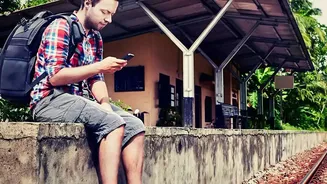
Ironically, this escape from rigid structure is largely enabled by technology. The same smartphone that can feel like a source of pressure is also the ultimate tool for liberation. Travel tech has revolutionised the ability to be spontaneous. With just a few clicks, a traveller can book a last-minute flight, find a homestay, and navigate a new city using digital maps. The rise of platforms like Airbnb and Uber has widened the choice of accommodation and transport, making it easier than ever to make decisions on the fly. Artificial intelligence tools are even helping travellers who start their search without a specific destination in mind. This digital safety net removes much of the logistical friction that once made unplanned travel a daunting prospect, empowering a new generation to embrace the unknown.
The Art of Un-Planning
Of course, travelling without a plan doesn't mean travelling without any preparation. Key logistics like visas and a basic budget still require forethought. And this freewheeling style isn't accessible to everyone, often requiring a degree of financial and social flexibility. The key, however, lies in the mindset. It’s about being open to changing your mind, to staying an extra day in a place you love, or to skipping a planned activity in favour of a random stroll that leads to an unexpected discovery. It involves trading the comfort of a fixed schedule for the excitement of possibility. It is, in essence, a masterclass in letting go and trusting that the best parts of a journey are often the ones you could never have scheduled.