

The Power of a Master Plan
The single most effective tool against kitchen overload isn't a bigger stove or more counter space—it's a plan. Before you buy a single vegetable, sit down and map out your menu. Consider dishes that share ingredients or cooking temperatures. More importantly,
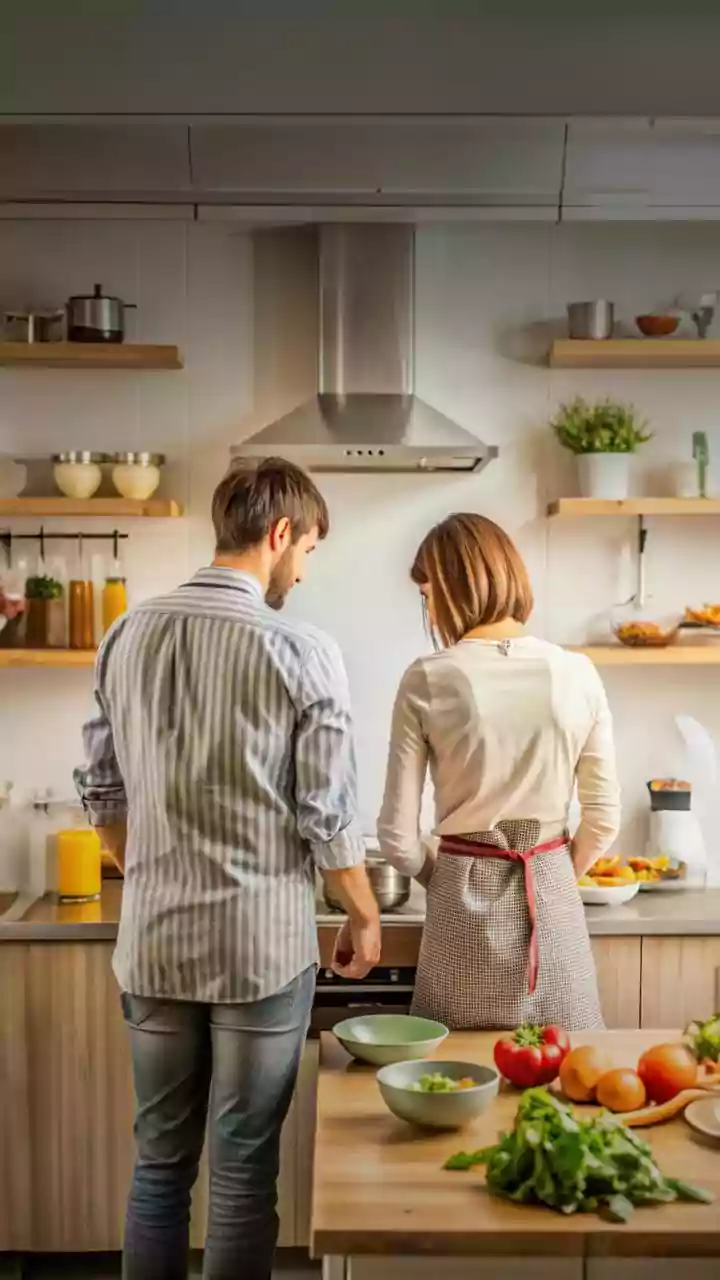
create a detailed cooking timeline. Work backwards from when you want to serve the meal. This timeline should break down every task, from chopping vegetables to preheating the oven. A written schedule transforms a frantic rush into a manageable, step-by-step process, letting you know exactly what needs to be done and when, freeing up your mental space to actually enjoy the cooking.
Embrace the Make-Ahead Mentality
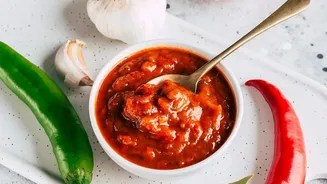
Your freezer and refrigerator are your best friends when preparing for a feast. Many Indian dishes are perfect for making ahead. Curries and dals often taste even better the next day as the flavours meld. You can prepare and freeze gravies, chop vegetables, make dough for breads, or assemble marinades a day or two in advance. Desserts, chutneys, and raita can also be made ahead. This strategy, known as batch cooking, doesn't just save you time on the day of the event; it dramatically reduces the number of pots, pans, and utensils you need to juggle at the same time, preventing a last-minute pile-up in the sink.
Organise Your Space Like a Pro
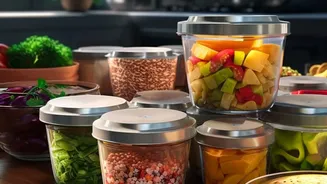
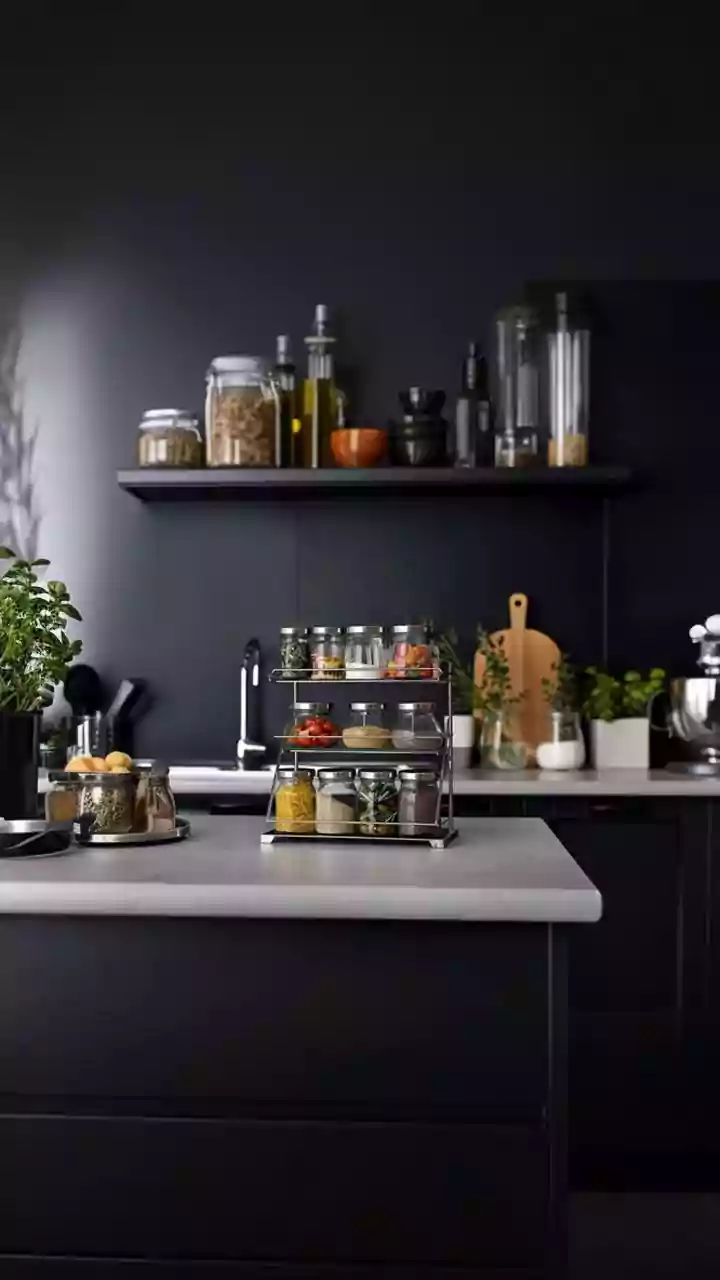
A small kitchen demands ruthless organization. Before you begin cooking, declutter and deep clean your space. Clear your countertops of anything not essential for the meal prep. Think in zones: a prep zone for chopping, a cooking zone around the stove, and a cleaning zone near the sink. Keep tools and ingredients for each zone within that area to minimize unnecessary movement. Use vertical space by installing temporary hooks for utensils or utilizing tiered trays for ingredients. By creating an efficient workflow and having a designated place for everything, you can make a small kitchen feel surprisingly spacious and functional.
Use Your Appliances Strategically
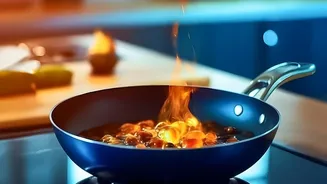
Your four-burner stove is valuable real estate. Don't let it become a bottleneck. Plan your menu around the different appliances you own. A slow cooker can keep a dal warm, a pressure cooker can handle rice or a curry, and an air fryer or microwave can be used for roasting vegetables or reheating smaller items. By distributing the cooking load across multiple appliances, you free up the stove for dishes that require active, last-minute attention. This approach not only saves space but also energy and time, ensuring everything is ready and hot when your guests arrive.
Smart Serving and Cleanup
The chaos doesn't end when the cooking is done. Instead of crowding the kitchen with serving platters, consider a buffet-style setup on a dining table or sideboard. This frees up kitchen counters and allows guests to serve themselves easily. Throughout the cooking process, adopt a 'clean as you go' policy. Wash utensils and bowls as soon as you're done with them, or at least load them into the dishwasher. A small pile of dirty dishes can quickly become an overwhelming mountain, blocking access to the sink and creating unnecessary stress. A tidy workspace is a productive one, even after the main cooking is finished.