








Fortify Your Food and Water
Your first line of defence starts in the kitchen. Water-borne diseases like typhoid, cholera, and jaundice see a sharp spike during the rainy season due to contamination of water sources. The simplest rule is to drink only boiled or properly filtered
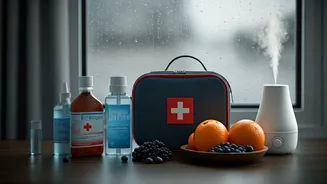
water. Avoid drinking water from outside sources unless you are certain of its purity. Be wary of street food, especially items like chaat, juices, and cut fruits that are exposed to the elements and may be prepared with unclean water. Instead, opt for hot, home-cooked meals. This is also a good time to reduce intake of leafy green vegetables, which can be difficult to clean and may carry mud and germs. If you do eat them, wash them thoroughly in a saline or vinegar solution. Focus on immunity-boosting foods rich in Vitamin C, such as citrus fruits, amla, and bell peppers. A bowl of hot soup is not just comforting on a rainy day; it’s also a great way to stay hydrated and nourished.
Master Your Mosquito Defence
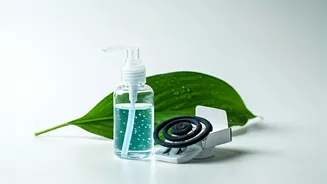
Mosquitoes are more than just a nuisance; they are vectors for serious illnesses like dengue, malaria, and chikungunya. Stagnant water is their breeding ground, and even a small amount in a discarded tyre, a flowerpot saucer, or a cooler can host hundreds of larvae. The most critical step is to prevent water from collecting around your home. Clear out drains, empty water containers weekly, and ensure there are no puddles in your balcony or garden. Inside the house, use mosquito nets, especially for children and the elderly. Apply a reliable mosquito repellent when stepping out, particularly during dawn and dusk when mosquito activity is at its peak. Wearing light-coloured, full-sleeved clothing can also provide a physical barrier against bites. These simple environmental controls are far more effective than just trying to swat the pests away.
Prioritise Personal Hygiene
While washing your hands is always important, it becomes non-negotiable during the monsoon. The increased moisture in the air allows germs to thrive and transfer easily. Wash your hands with soap and water frequently, especially after coming in from outside and before eating. Beyond your hands, pay special attention to your feet. Walking through puddles is unavoidable, but it can lead to fungal infections. As soon as you get home, wash your feet with soap and dry them thoroughly, paying close attention to the area between your toes. Avoid wearing damp clothes or shoes, as they also encourage fungal growth. Take a warm shower after getting drenched in the rain to normalise your body temperature and wash away any microbes you may have picked up.
Boost Your Body's Natural Shield
A strong immune system is your best weapon against seasonal infections. While a balanced diet is key, certain additions can give you an extra edge. Incorporate traditional immunity-boosters like ginger, garlic, and turmeric into your cooking. A warm glass of haldi doodh (turmeric milk) before bed can help fight inflammation and infection. Ensure you are getting enough sleep—at least 7-8 hours a night—as rest is crucial for your body's repair and defence mechanisms. Moderate exercise, like yoga or a brisk walk at home, can also improve circulation and boost immunity. Avoid over-exertion, but keep your body active. Probiotics found in curd (dahi) are excellent for gut health, which plays a surprisingly large role in your overall immunity.
Know When to Seek Help
Prevention is the goal, but it's also important to be vigilant and recognise the early signs of illness. Common monsoon ailments often start with symptoms like fever, body aches, chills, and fatigue. Don't dismiss a persistent fever as ‘just the flu.’ If symptoms last for more than a day or two, or are accompanied by a severe headache, rash, or vomiting, it is crucial to consult a doctor. Self-medication can be dangerous, as the wrong medicine can mask symptoms or worsen the condition, especially in cases like dengue. Early diagnosis and proper medical treatment are key to a swift recovery, so listen to your body and don’t hesitate to seek professional advice when you feel unwell.