



Start Small, Dream Big
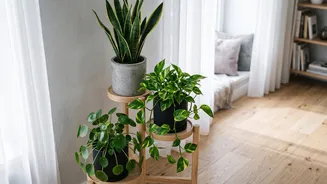
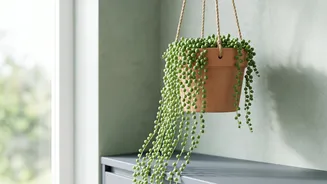
One of the most common mistakes new gardeners make is starting too big. An expansive garden can quickly become a chore, leading to burnout. Instead, begin with a manageable space. A few containers on a balcony, a small raised bed, or a dedicated patch
of about 4x4 feet is perfect. This allows you to learn the fundamentals of plant care without being overwhelmed by weeding, watering, and pest control. You can grow a surprising amount in a small area. Focus on a few plants you love, like cherry tomatoes, mint, or spinach, which are known to be beginner-friendly. Once you build confidence, you can always expand your garden next season.
Location is Everything
Plants get their energy from the sun, so choosing the right spot is critical. Before you plant anything, observe your potential garden area throughout the day. Most vegetables and flowering plants need at least six to eight hours of direct sunlight. A south or west-facing spot is often ideal. If your space is shadier, don't despair. Many leafy greens like spinach and herbs like mint can thrive with as little as four hours of sun. Placing your garden somewhere you see it every day, like near a walkway or outside the kitchen window, also helps you stay on top of its needs, making you more likely to notice when plants need water or attention.
Great Soil is Your Foundation
Healthy plants start with healthy soil. Ignoring soil quality is a frequent beginner error that leads to disappointment. Garden soil provides the nutrients, water, and air your plants' roots need to thrive. If you're planting in the ground, chances are your native soil could use a boost. A simple way to improve it is by adding organic matter like compost. Compost enriches the soil with nutrients, improves drainage, and helps retain moisture. If you're using containers, don't use soil from your garden, which is often too heavy and can contain pests. Instead, purchase a quality potting mix, which is specifically formulated to be lightweight and well-draining.
Choose Your Plants Wisely
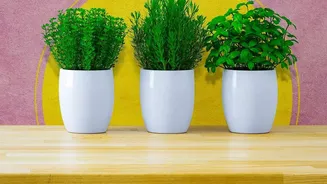
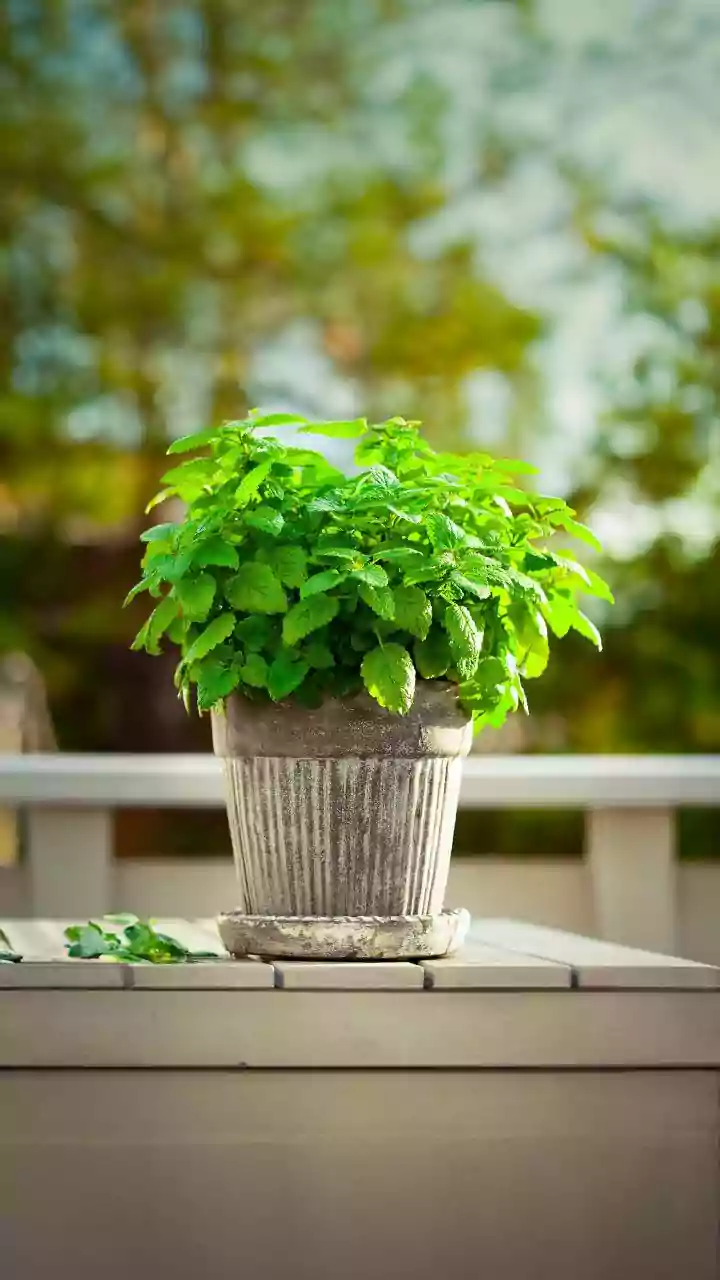
Set yourself up for success by choosing plants that are known to be easy to grow, especially in the Indian climate. Starting with demanding plants can be discouraging. Excellent choices for beginners include tomatoes (especially cherry varieties), green chillies, spinach (palak), mint (pudina), and coriander (dhaniya). These tend to be resilient and productive. For example, spinach grows quickly and allows you to harvest leaves repeatedly, while a single chilli plant can provide a steady supply for your kitchen. Mint is notoriously easy to grow but spreads aggressively, so it's best kept in its own pot.
Master the Art of Watering
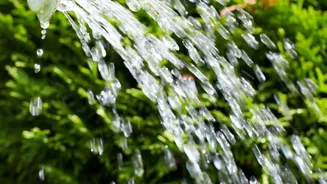
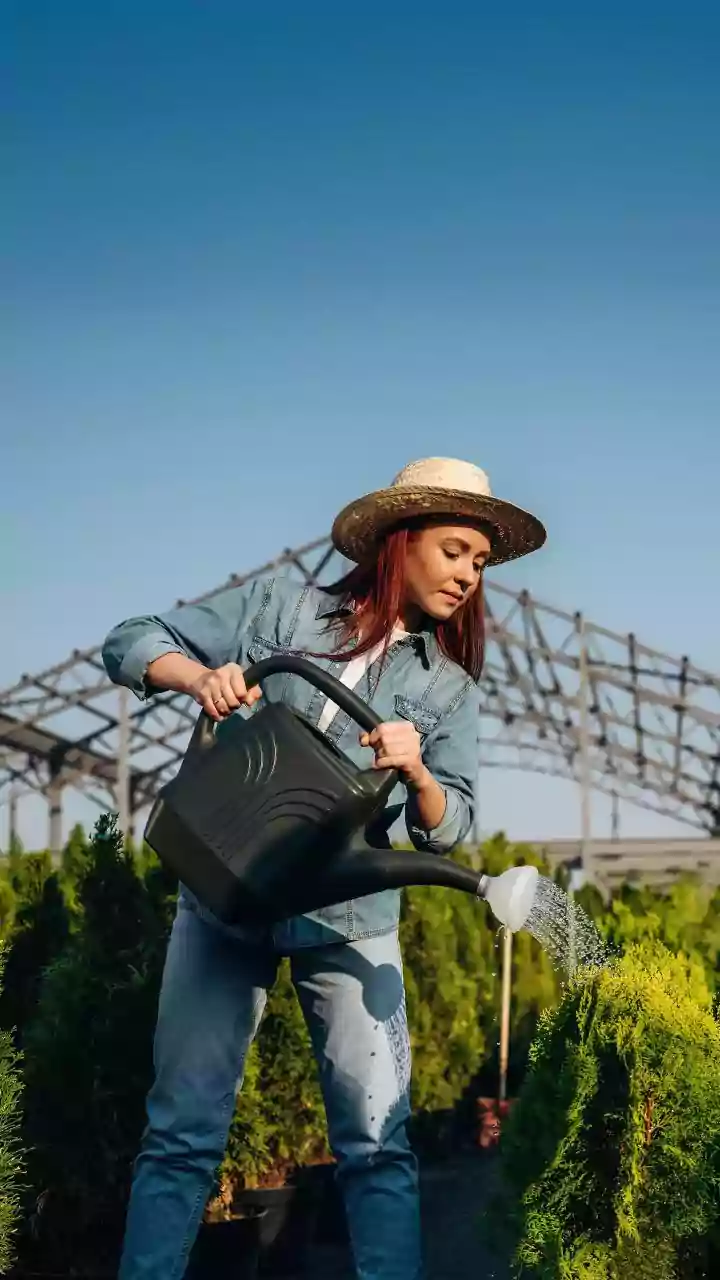
Overwatering is one of the most common ways beginners kill their plants. It's tempting to show your new garden love with daily drenchings, but this can lead to root rot. The best rule of thumb is to check the soil first. Stick your finger about an inch or two into the soil; if it feels dry at that depth, it's time to water. When you do water, do it deeply so that the moisture reaches the roots, rather than giving a light, frequent sprinkle. Container plants dry out faster than those in the ground and will need more frequent checks, especially during hot weather. It's better to water less frequently but thoroughly.