

Vardø: Where Witches and Wildlife Collide
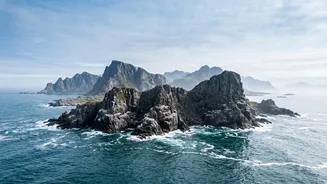
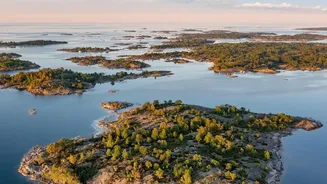
Located farther east than Helsinki, Vardø is a place of extremes. This Arctic island town is buffeted by fierce winds but offers a raw, compelling beauty. Its history is palpable, most notably at the Steilneset Memorial, a haunting tribute to the 91 people
executed for witchcraft here between 1600 and 1692. The star-shaped Vardøhus Fortress, the world's northernmost, has stood guard since the 14th century. But history isn't the only draw. A short boat trip takes you to Hornøya, a protected nature reserve and one of Norway's most significant seabird colonies. From April to August, its cliffs teem with over 80,000 birds, including thousands of Atlantic Puffins, Razorbills, and Guillemots, making it a paradise for birdwatchers.
Lofoten Islands: Viking Heritage and Iconic Views
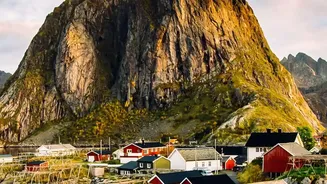
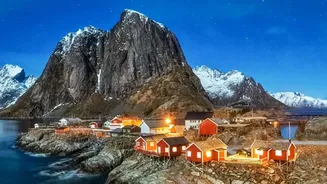
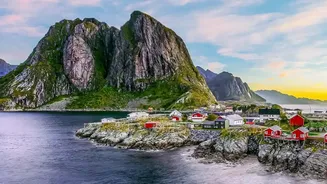
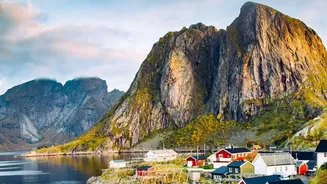
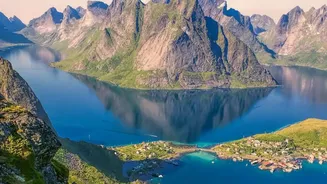
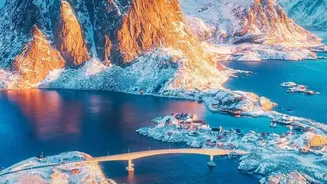
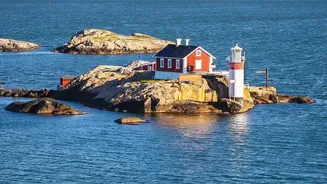
The Lofoten archipelago is arguably Norway's most famous island destination, a chain of dramatic peaks rising directly from the sea. Beyond the stunning landscapes, Lofoten has a deep history rooted in the Viking Age and fishing. The Lofotr Viking Museum features a reconstruction of the largest Viking longhouse ever found, discovered right here at Borg. The islands' identity is defined by its 'rorbuer'—traditional red fishing cabins, often built on stilts over the water. Originally built in the 12th century to house fishermen during the massive winter cod migration, many are now cozy accommodations for visitors, offering a direct link to the region's enduring maritime soul.
Senja: A Miniature Norway on One Island
Often called 'Norway in miniature', Senja offers an incredible diversity of landscapes. The outer coast is wild and dramatic, with jagged mountains plunging into the ocean, while the inner coast is softer and more tranquil. The National Scenic Route on Senja is a journey in itself, winding past breathtaking viewpoints like Tungeneset, which perfectly frames the sharp peaks known as the 'Devil's Jaw', and the sweeping sands of Ersfjord Beach. Like Lofoten, its history is tied to fishing, with traditional villages clinging to the shoreline. Senja provides a slightly less-travelled alternative to its famous southern neighbour, offering a powerful sense of raw, untouched Arctic nature.
Runde: The Southern Treasure and Bird Island
South of the Arctic Circle lies Runde, an island celebrated for two distinct treasures: birds and gold. It is one of Scandinavia's southernmost major bird cliffs, hosting around 150,000 seabirds during the nesting season. From April to August, it becomes a bustling metropolis for puffins, gannets, and razorbills. But its nickname, 'Treasure Island', comes from the wreck of the Dutch ship Akerendam, which sank offshore in 1725 laden with gold coins. The discovery of this treasure in the 1970s cemented the island's legendary status. Today, Runde offers a fantastic blend of accessible birdwatching and intriguing maritime history, all within a compact and windswept landscape.
Sommarøy: The Island Where Time Takes a Holiday
Just an hour from Tromsø, the island of Sommarøy—or 'Summer Island'—offers a different perspective on Arctic life. Famous for its Caribbean-like white sand beaches and turquoise waters set against a mountain backdrop, its most unique feature is its relationship with time. Due to its position above the Arctic Circle, the sun doesn't set for 69 days in summer. This led residents to famously campaign to become a 'time-free zone', where life is dictated by light, not clocks. While largely symbolic, the concept reflects a real way of life, where locals might mow the lawn or go for a swim at 2 a.m. It’s a vibrant fishing community that invites visitors to disconnect from rigid schedules and embrace the natural rhythms of the far north.