


The Humble Superfood: What Is Moringa?
Moringa oleifera, often called the 'drumstick tree' or 'miracle tree', is a plant native to India that has been used in traditional medicine for centuries. While we are all familiar with using its drumsticks in sambar and curries, the leaves are the most
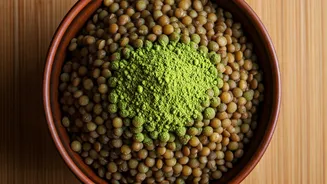
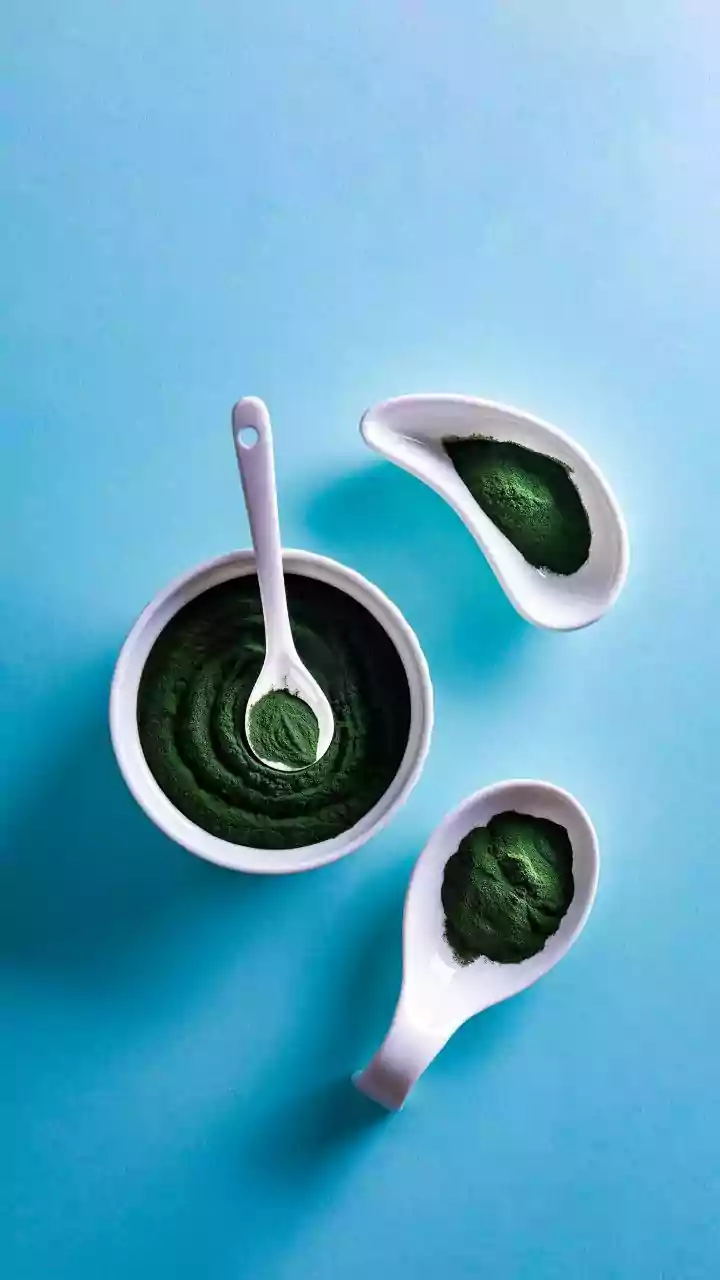
nutrient-dense part of the plant. These leaves are harvested, dried at low temperatures, and ground into a fine, bright green powder. This powder concentrates the leaves' incredible nutritional benefits, making it an easy-to-use supplement that is gaining global recognition as a superfood.
A Potent Punch of Iron
One of the most significant benefits of moringa powder is its high iron content. Iron is a crucial mineral that helps transport oxygen in your blood, and a deficiency can lead to anaemia, fatigue, weakness, and poor concentration. This is a widespread concern across India, particularly for women and children. While spinach is often hailed for its iron content, studies suggest that moringa powder contains significantly more iron per gram. Incorporating it into your diet provides a natural, plant-based way to help meet your daily iron requirements and fight off the lethargy associated with low iron levels.
More Than Just Iron
Moringa's benefits don't stop at iron. This vibrant green powder is packed with a surprising array of nutrients. It is a rich source of plant-based protein, containing all nine essential amino acids. It’s also loaded with Vitamin A, which is essential for vision and immune function, and Vitamin C, a powerful antioxidant. Furthermore, it contains calcium for bone health, potassium for blood pressure regulation, and a host of antioxidants like quercetin and chlorogenic acid, which help protect your cells from damage. Essentially, adding moringa is like adding a multivitamin to your meal.
The Right Way to Add It to Dal
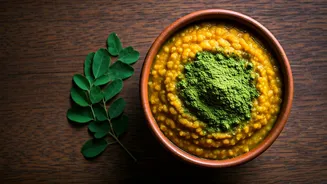
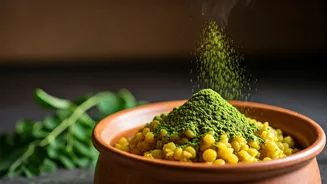
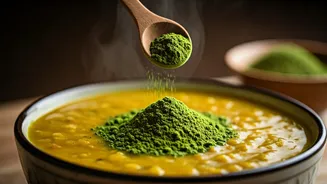
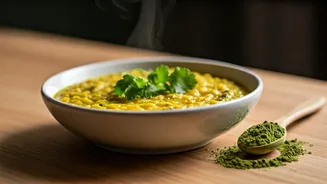
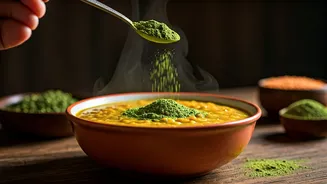
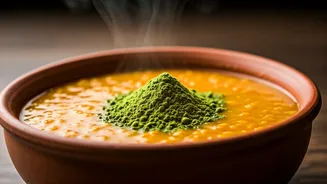
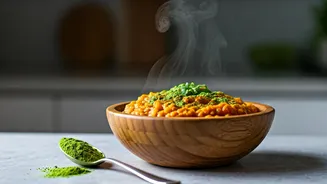
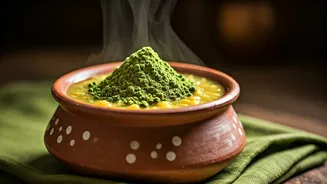
The secret to using moringa powder effectively is in the timing and quantity. The heat can degrade some of its delicate nutrients, so you should never cook it for long. The best method is to add it at the very end. Once your dal is fully cooked and you have turned off the flame, stir in the moringa powder just before serving. Start with a small amount—about half a teaspoon per serving—to get accustomed to the taste. You can gradually increase it to one full teaspoon. To avoid clumps, you can make a small slurry by mixing the powder with a tablespoon of the hot dal in a separate bowl before stirring the mixture back into the main pot. This ensures it dissolves evenly.
But What About the Taste?
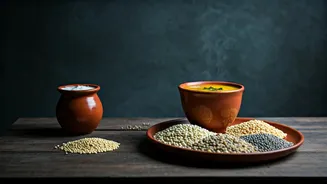
This is the most common question, and a valid one. Moringa powder has a distinct earthy, slightly bitter flavour, similar to spinach or matcha green tea. When used in small quantities, its taste is easily masked by the robust spices and flavours of a typical Indian dal, like turmeric, cumin, and coriander. It might lend a slightly deeper, greener note to your dal, but it's unlikely to be overpowering. In fact, its earthy profile can complement lentil dishes like masoor or toor dal quite well. The key is to start small and let your palate adjust.
A Few Words of Caution
While moringa is generally safe for most people, moderation is key. Consuming very large amounts can have a laxative effect or cause an upset stomach. Stick to one or two teaspoons per day. Pregnant or breastfeeding women, as well as individuals on medication for thyroid issues, diabetes, or high blood pressure, should consult their doctor before adding moringa to their diet, as it can interact with certain medications. Always buy your moringa powder from a reputable source to ensure it is pure and free from contaminants.