




The Morning Gamble
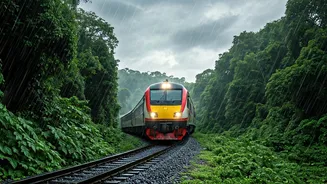
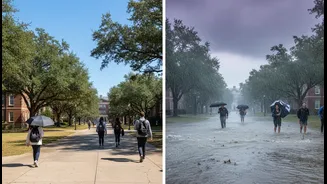
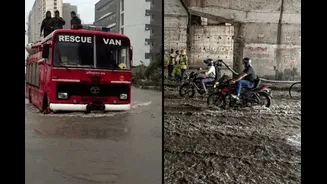
The scene is familiar to lakhs of students across India. You wake up to the sound of torrential rain hammering against your window. The streets outside are beginning to look more like canals. Your phone buzzes, but not with an official college notification.
Instead, it’s a flurry of messages in a class WhatsApp group filled with speculation, rumours, and outdated memes about a 'rain holiday'. Do you risk the treacherous commute, wading through waterlogged lanes and navigating a crippled public transport system, only to find the college gates closed? Or do you stay home and miss an important lecture or a scheduled exam? This daily gamble, forced upon students every monsoon, is not just inconvenient; it’s a symptom of a systemic failure. Institutions leave their students in a state of anxious uncertainty, forcing them to make individual decisions on matters of public safety.
More Than Just a Day Off
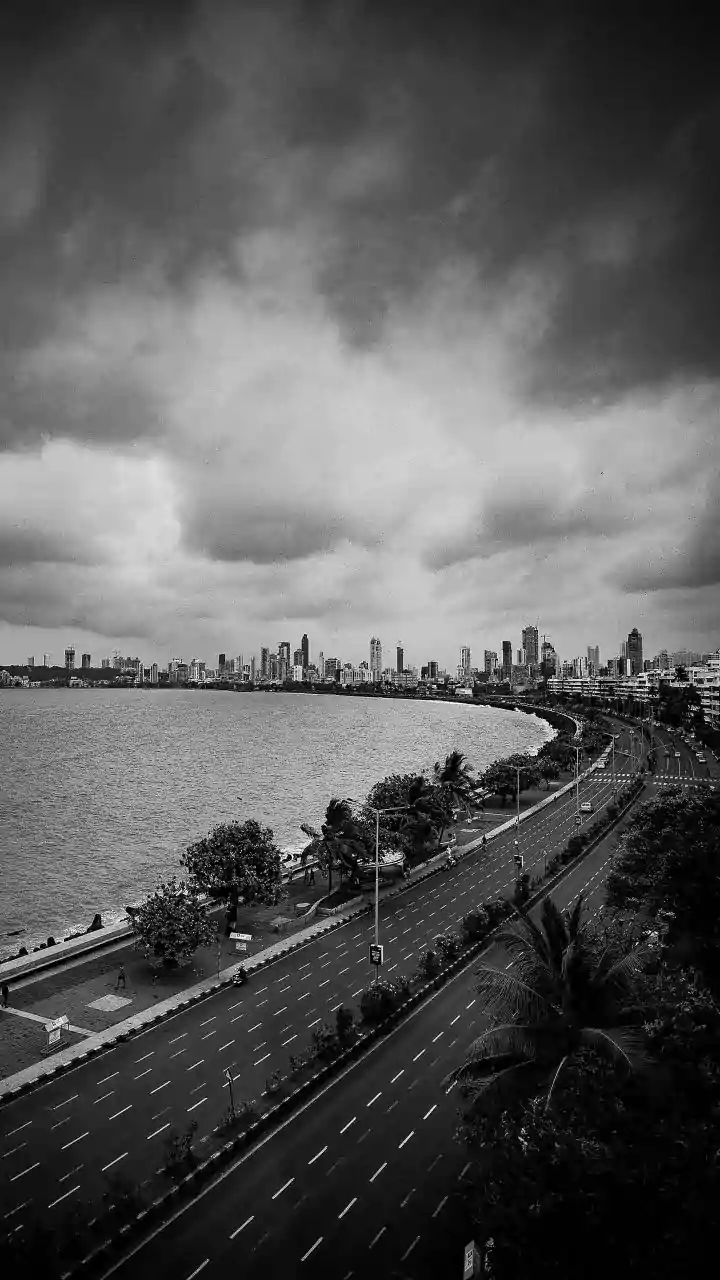
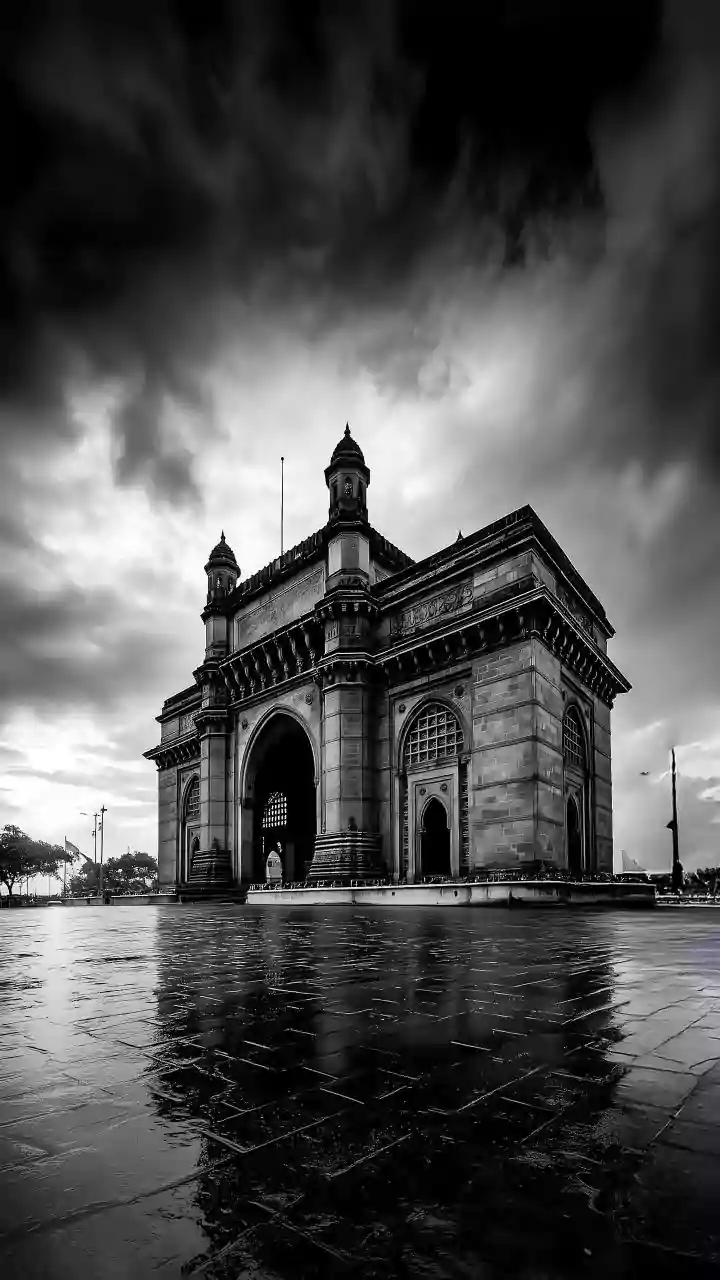
This issue is not about students clamouring for an excuse to skip class. It is fundamentally about safety. Recent events show the very real dangers. This week, as heavy rains lashed Mumbai and surrounding districts, the Brihanmumbai Municipal Corporation (BMC) and various district administrations were forced to declare holidays for schools and colleges. The decision came after the India Meteorological Department (IMD) issued 'orange' and 'red' alerts, forecasting extremely heavy rainfall. The consequences of ignoring such warnings are dire: severe waterlogging disrupts road traffic, local train services are suspended, and the risk of accidents increases. For a student travelling from a distant suburb, what should be a routine journey can turn into a hazardous ordeal. Postponing exams, as Mumbai University was forced to do, is a reactive measure taken only after the situation has become critical. A proactive, clear communication strategy would prevent students from even starting these dangerous journeys.
The Communication Black Hole
In the age of Digital India, where information is supposed to be instantaneous, the communication methods of many educational institutions remain archaic. While the IMD provides detailed, colour-coded alerts that are widely reported, there is often a significant lag before this information is translated into a concrete decision by college administrations. Students are left to piece together information from news channels, social media, and word of mouth. This creates a confusing and often contradictory information ecosystem. Why should a student have to rely on a friend's aunt who works in a municipal office for an update? A clear, centralised system—be it an SMS blast, an official app notification, or a mandatory update on the college website—is not a complex technological challenge. It is a matter of will and of recognising the institution's duty of care towards its students. The current ad-hoc approach is simply not good enough.
A Protocol for Safety and Sanity
The solution is straightforward. Every college and university, particularly in flood-prone urban and rural areas, needs a clear, publicly stated monsoon protocol. This protocol should be developed in coordination with local disaster management authorities and linked directly to IMD alerts. For example, an 'orange' alert could trigger an automatic advisory to work from home for staff and a shift to online classes for students where possible. A 'red' alert should mean an automatic, non-negotiable closure of the campus, announced with enough lead time—ideally the night before—to prevent the morning chaos. This isn't reinventing the wheel. Authorities in cities like Mumbai and Pune already direct school and college closures based on IMD warnings. The problem is the lack of a consistent, university-led system that makes these announcements predictable and easily accessible to every single student without delay. Formalising this process would replace anxiety with assurance and protect students from unnecessary risk.