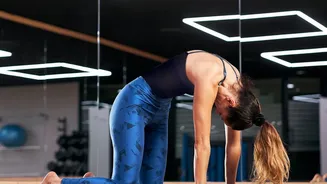




What is the Cat-Cow Pose?
Cat-Cow is not one, but two poses linked together in a gentle, flowing sequence. Known in Sanskrit as Marjaryasana (Cat) and Bitilasana (Cow), this movement is a cornerstone of many yoga practices, beloved for its simplicity and profound benefits. It's
a dynamic warm-up that involves moving the spine from a rounded position (flexion) to an arched one (extension). The beauty of Cat-Cow lies in its accessibility; it’s a perfect starting point for beginners to connect with their body and breath before exploring more complex postures. It serves to awaken the spine, improve body awareness, and prepare you for further movement, making it an ideal first step on the yoga mat.
A Step-by-Step Guide
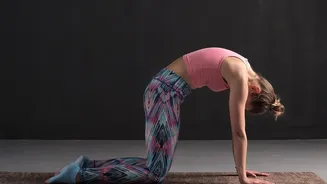
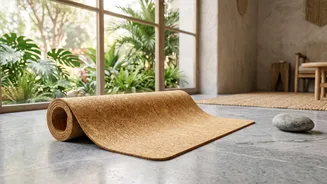
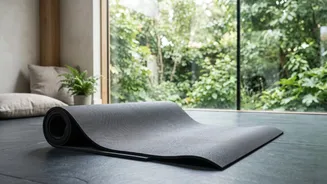
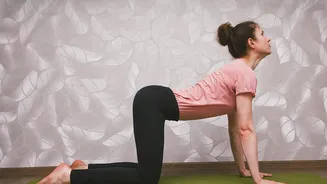
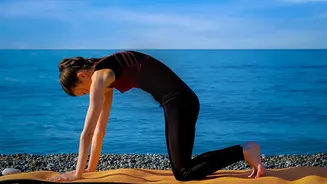
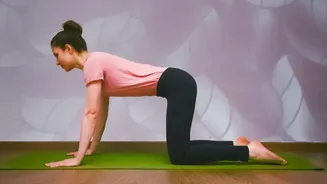
Finding the correct form is key to unlocking the benefits of Cat-Cow. Start on a comfortable surface like a yoga mat to cushion your joints. 1. Begin in a 'tabletop' position on your hands and knees. Your wrists should be directly under your shoulders, and your knees directly under your hips. Keep your shins and knees hip-width apart. 2. Center your head in a neutral position, with your gaze soft and directed toward the floor. Your back should be flat, like the surface of a table. 3. For Cow Pose (Bitilasana): Take a deep breath in. As you inhale, drop your belly towards the mat, allowing your back to arch. Lift your chest and sitting bones toward the ceiling. Your gaze should gently lift upwards without straining your neck. 4. For Cat Pose (Marjaryasana): As you exhale, reverse the movement. Press into your hands to round your spine towards the ceiling, like a stretching cat. Tuck your chin towards your chest and release your tailbone down. 5. Continue flowing between Cow on your inhales and Cat on your exhales. The goal is to create a smooth, continuous wave of motion through your entire spine.
Why Moving Slowly is a Superpower
In a world that often rushes, the instruction to 'move slowly' can feel counterintuitive. However, in yoga, slowing down is a strength. Rushing through Cat-Cow is a common mistake that diminishes its effects. A slower pace allows you to cultivate deeper body awareness, giving you the time to actually feel what is happening in your body. You can notice how each vertebra moves, where you hold tension, and how your muscles engage. This mindful approach not only prevents injury but also strengthens the mind-body connection. Slow, deliberate movement activates the parasympathetic nervous system, which promotes a state of rest and relaxation that can follow you off the mat and into your daily life.
The Rhythm of Your Breath
Synchronizing your breath with the movement is the heart of this practice; it transforms a simple stretch into a moving meditation. Inhaling as you expand the chest in Cow Pose and exhaling as you contract and round in Cat Pose creates a harmonious flow. This conscious breathing, or pranayama, does more than just guide the movement. It helps to oxygenate your muscles, calm the nervous system, and anchor your focus in the present moment. The rhythmic pattern of breath and movement quiets the mind, reduces stress, and enhances mental clarity. By letting your breath lead, you create a seamless practice where body and mind work together.
Common Mistakes to Avoid
To get the most out of Cat-Cow, be mindful of a few common misalignments. First, avoid collapsing your lower back in Cow Pose; instead, focus on lengthening the spine from your tailbone to the crown of your head. Second, ensure your wrists are directly below your shoulders and knees below your hips to create stable, 90-degree angles. Many beginners also tend to rush the movement or move their neck excessively. Let your head be a natural extension of your spine rather than forcing it up or down. Finally, keep a slight bend in your elbows to avoid locking the joints and engage your core muscles for better support throughout the flow.
Benefits Beyond a Flexible Spine
While Cat-Cow is celebrated for improving spinal flexibility and relieving back tension, its benefits are more than skin deep. The gentle movement massages the abdominal organs, which can aid digestion and stimulate metabolism. It also softly stretches the neck, shoulders, and chest, helping to counteract the slumped posture common in those who sit for long hours. The practice enhances circulation, warming up the entire body and lubricating the joints, making it an excellent precursor to any physical activity. Emotionally, the calming rhythm of the pose soothes the nervous system, helping to reduce stress and foster a sense of emotional balance.