


Embrace the Art of Contrast
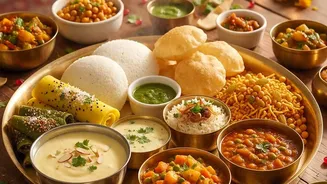
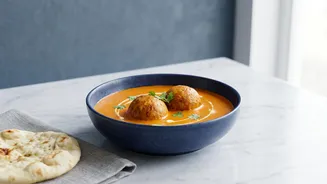
The secret to making Malai Kofta work in a larger spread lies in one word: contrast. Since the koftas swim in a rich, creamy, and often sweetish gravy, every other dish on the table should offer a counterpoint. Think in terms of texture and flavor—you'll
want dishes that are dry, tangy, spicy, or fresh to cut through the richness. A typical Indian meal structure naturally supports this, often featuring a mix of wet and dry curries, dal, rice, bread, and cooling accompaniments. The goal is not to have a collection of heavy-hitters, but a team of dishes where each player has a distinct role, allowing the Malai Kofta to shine as the indulgent centerpiece it's meant to be.
Choose Your Breads and Grains Wisely
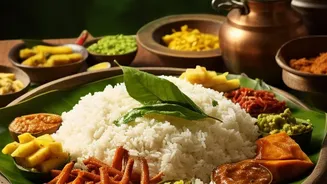
While Malai Kofta is sublime with a rich Butter Naan, offering only heavy, ghee-laden breads can be a mistake. A balanced spread should feature a variety. Plain tandoori rotis, whole wheat chapatis, or even flaky lachha parathas provide a lighter, less rich vehicle for scooping up the gravy. When it comes to rice, simple is best. Fluffy Basmati rice or a lightly spiced Jeera Rice (cumin rice) is the perfect companion, as its primary role is to soak up the gravy without competing in flavor. Avoid heavy, complex biryanis or pulaos, which are main courses in their own right and will clash with the kofta.
Incorporate Lighter, Tangier Curries
One rich gravy dish is enough for any table. To avoid overwhelming your guests, ensure any other curry you serve provides a sharp contrast. A simple Dal Tadka, with its earthy lentil flavor and smoky tempering, is an excellent choice. It’s lighter and has a more fluid consistency. Another great option is a vegetable-forward dish with a tomato-based gravy, like a Mixed Vegetable Curry or a Veg Jalfrezi. These dishes bring a tangy, slightly spicy element that cleanses the palate after a spoonful of the creamy kofta. The key is to ensure the second 'wet' dish is built on a different flavor base—avoiding cream, cashews, or other rich ingredients.
Don't Forget the Dry Sabzi
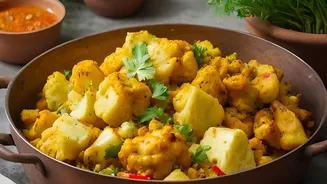
A dry vegetable dish, or 'sabzi', is non-negotiable for adding texture and balance. These dishes are typically stir-fried or pan-roasted with spices and use minimal water, providing a wonderful contrast to the gravy-heavy main. Classic choices that pair beautifully include Bhindi Masala (spiced okra), Aloo Gobi (potato and cauliflower stir-fry), or a simple Green Bean Thoran. These vegetable dishes bring a fresh, spiced element and a pleasant bite that can get lost when every dish is soft and swimming in sauce. They ensure the meal feels wholesome and varied.
The Power of Raita and Salads
Never underestimate the importance of cooling elements on an Indian table. A refreshing raita is essential for balancing a rich meal. A simple cucumber raita, with its cooling properties, or a boondi raita, with its tiny fried balls of gram flour, can reset the palate between bites. A tangy pineapple raita can also provide a sweet and sour note that complements the kofta. Alongside the raita, a simple, crunchy salad known as 'kachumber'—made from finely chopped onion, tomato, and cucumber with a squeeze of lemon juice and a sprinkle of salt—adds a burst of freshness that is both welcome and necessary.
Serving Strategy and Final Touches
How you serve the Malai Kofta itself can make a difference. Many hosts prefer to keep the fried koftas and the hot gravy separate until just before serving. This prevents the delicate koftas from becoming too soft and disintegrating. You can place the koftas in a serving dish and pour the warm gravy over them right before guests eat. For drinks, consider serving a salty lassi or a fresh lime soda rather than a sweet or creamy beverage. The goal at every step is to think about balance, ensuring that every element of your spread works in harmony to celebrate, not compete with, your show-stopping Malai Kofta.