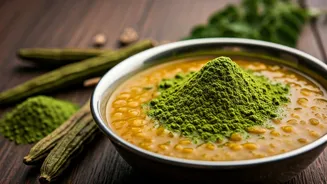



The Green Wonder: What is Moringa?
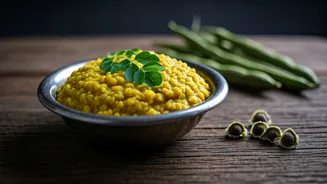
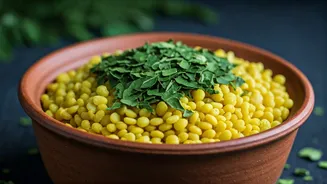
Moringa, often called the ‘drumstick tree’ (sahjan), is no stranger to Indian households. While we commonly use its drumsticks in sambar and curries, its leaves are the real nutritional heroes. For centuries, these leaves have been used in traditional
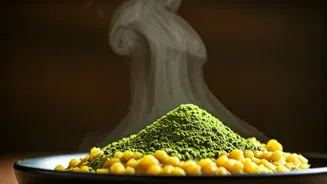
medicine for their incredible density of vitamins and minerals. When dried and crushed, they become moringa flakes or powder—a convenient, concentrated superfood that can be easily stored and added to a variety of dishes. Think of it as a natural multivitamin, grown right in our backyards, that’s now making its way into modern kitchens as a simple health booster.
A Closer Look at the Nutrition
So, what makes moringa so special? It’s packed with nutrients, but its iron content is particularly noteworthy. Dried moringa leaves contain a significant amount of plant-based (non-heme) iron, which is essential for producing haemoglobin and preventing fatigue. Just one tablespoon of moringa powder can provide a substantial portion of your daily iron needs. But it doesn't stop there. Moringa is also a rich source of Vitamin C, Vitamin A, calcium, potassium, and protein. In fact, it contains all nine essential amino acids, making it a complete protein source—a rare quality for a plant. This potent combination makes it an excellent supplement for everyone, especially vegetarians and those looking to fight off general lethargy.
Why Dal is the Perfect Partner
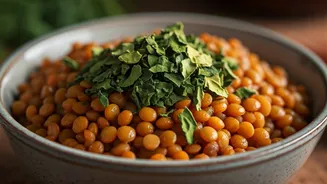
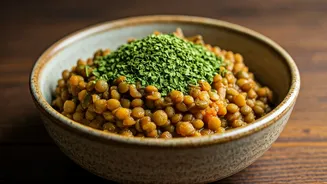
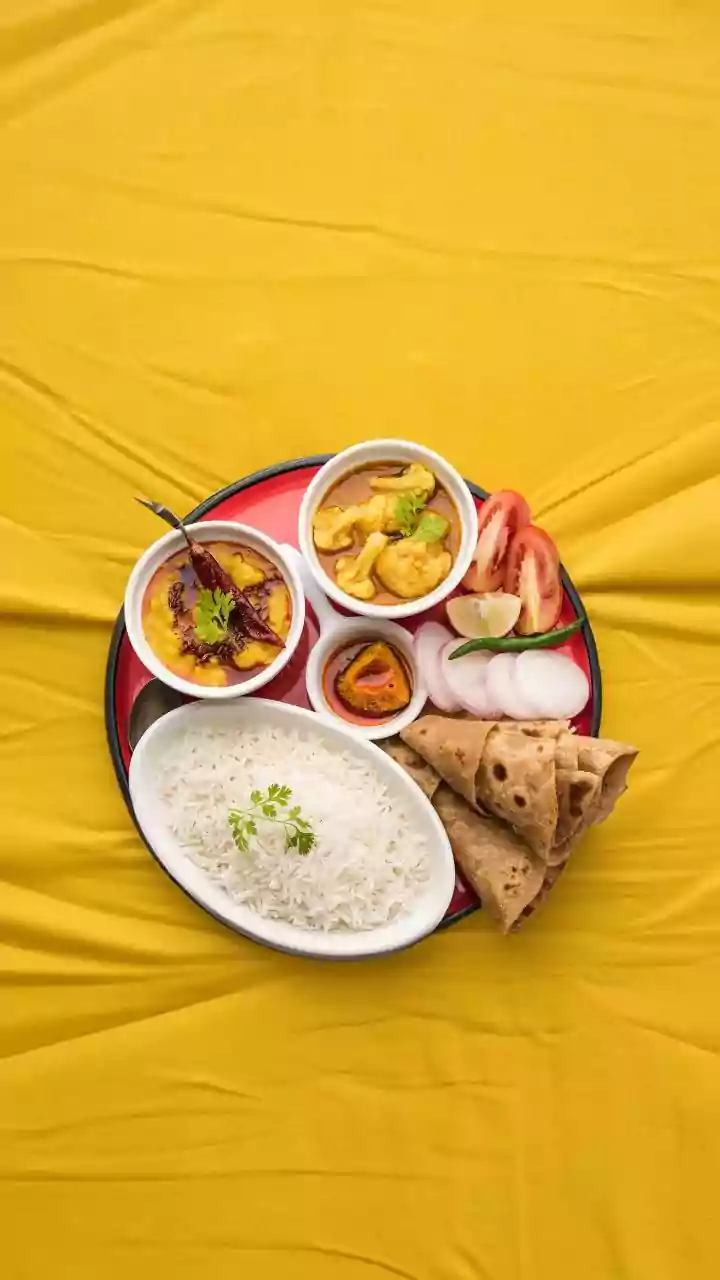
Dal is the cornerstone of Indian comfort food, eaten daily in millions of homes. This makes it the perfect vehicle for a nutritional upgrade. The familiar, robust flavours of a well-made dal can easily accommodate the slightly earthy, spinach-like taste of moringa. When you stir the flakes in, they dissolve almost completely, subtly enriching the dal without drastically changing its beloved character. Furthermore, since dal is already a part of your routine, you don’t need to form a new habit. You’re simply enhancing something you already love, making it one of the easiest and most sustainable ways to incorporate a superfood into your diet.
How to Do It Right
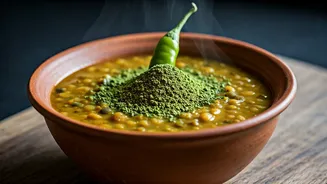
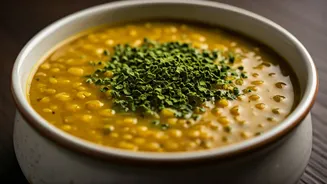
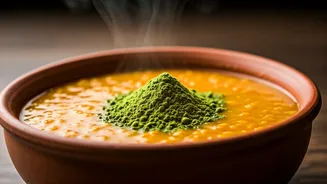
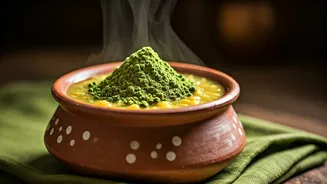
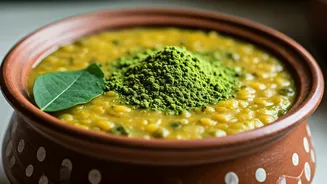
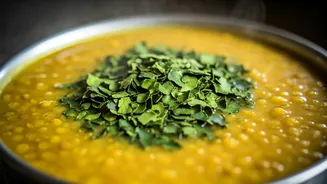
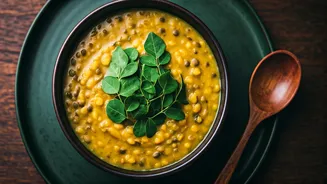
Adding moringa to your dal is incredibly simple. The key is to add it at the right time to preserve its delicate nutrients, particularly Vitamin C, which can degrade with prolonged heat. The best method is to stir the moringa flakes or powder into your dal after it has been cooked and the heat is turned off, just before you add the tadka (tempering). For a standard serving of dal for four people, start with one to two teaspoons of moringa powder. You can gradually increase the amount to a tablespoon as you get accustomed to the taste. It will slightly thicken the dal and impart a deeper green hue, signalling the added goodness within.
Unlock the Iron with This Simple Trick
Here’s a crucial tip to get the most out of your iron-fortified dal. Both lentils and moringa contain non-heme iron, which the body doesn't absorb as easily as heme iron (from meat). They also contain compounds called phytates that can inhibit iron absorption. The solution is simple: Vitamin C. This powerful vitamin can increase non-heme iron absorption by severalfold. So, always squeeze a generous amount of fresh lemon or lime juice over your dal just before serving. Alternatively, using plenty of tomatoes (another great source of Vitamin C) in your dal base or tadka will also do the trick. This small step makes a huge difference, ensuring your body reaps the maximum benefit from the iron present in both the dal and the moringa.