




Why Protein is Essential for Recovery
When you exercise, you create tiny micro-tears in your muscle fibres. This is a normal part of getting stronger. To repair this damage, your body needs protein. Protein provides the essential amino acids that act as the building blocks for muscle repair and
growth. Without enough protein, recovery can be slower, and you might not see the results you're working for. One of the most important amino acids for this process is leucine, which acts as a switch to activate muscle protein synthesis. Consuming protein within a few hours after your workout helps kickstart this repair process, reducing muscle soreness and preparing you for your next session.
The Power of Plant-Based Proteins
There's a common myth that plant-based proteins are inferior to animal-based ones for building muscle. However, research shows that plant proteins, when consumed in adequate amounts, can be just as effective. High-quality plant proteins like soy and pea protein support muscle growth and repair comparably to whey protein. Many plant sources are also 'complete proteins', meaning they contain all nine essential amino acids your body can't produce on its own. These include foods like quinoa, tofu, tempeh, edamame, and hemp seeds. Even those that aren't complete on their own can be easily combined throughout the day—like rice and beans—to provide a full amino acid profile. Plant proteins often come with added benefits like fibre, vitamins, and minerals, and can be easier to digest for those with sensitivities to dairy.
Top Plant Protein Sources for Your Kitchen
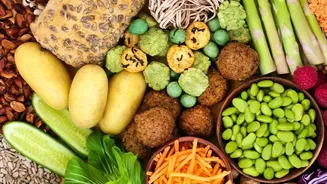
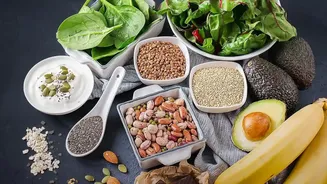
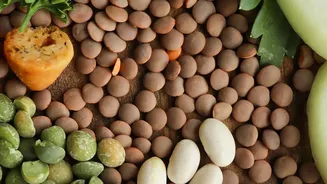
Stocking your pantry and fridge with the right ingredients makes post-workout nutrition effortless. Here are some of the best plant-based protein sources to have on hand: Lentils and Beans: A cooked cup of lentils offers around 18 grams of protein, while black beans and chickpeas provide about 15 grams. They are inexpensive, versatile, and also rich in fibre and complex carbohydrates for energy replenishment. Soy Products: Tofu, tempeh, and edamame are protein powerhouses. A half-cup of tempeh contains about 16 grams of protein, while a cup of edamame has around 18 grams. They are also rich in leucine, the key amino acid for muscle building. Quinoa: This versatile grain is a complete protein, offering about 8 grams per cooked cup, along with valuable iron and magnesium. Nuts and Seeds: Hemp seeds and pumpkin seeds are particularly high in protein. Chia seeds are another complete protein source. Two tablespoons of peanut butter provide a quick 8 grams of protein.* Plant-Based Protein Powders: Pea, soy, and hemp protein powders are excellent for a quick and convenient boost, with a typical scoop providing 20-25 grams of protein.
Simple Swaps for Your Post-Workout Meal
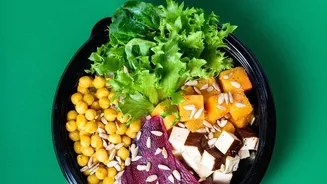
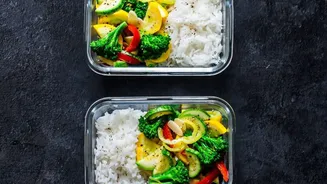
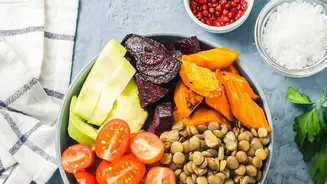
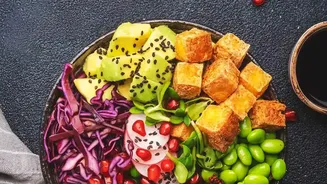
Integrating plant-based protein doesn't require a complete diet overhaul. Simple swaps can make a huge difference. Instead of reaching for a whey protein shake, try a smoothie made with pea protein powder, a banana, and some almond milk. If you normally have scrambled eggs after a morning workout, try a 'cheesy' tofu scramble with nutritional yeast, which mimics the texture and packs over 20 grams of protein per serving.For a heartier meal, replace the minced meat in your pasta sauce with cooked lentils for a rich, protein-filled bolognese. Instead of chicken in your stir-fry, use firm tofu or tempeh, which readily absorbs marinades and flavours. You can also build a recovery bowl with a base of quinoa, topped with black beans, roasted chickpeas, avocado, and your favourite salsa. These swaps are not only effective for muscle repair but also introduce more variety and nutrients into your diet.