






The Murky World of 'Natural'
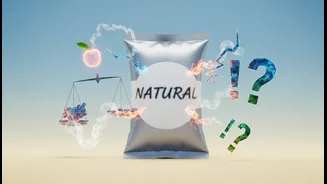
For years, the word 'natural' has been one of the most powerful, and vaguest, marketing tools in the Indian food industry. It’s a shorthand for healthy, wholesome, and trustworthy. The problem is, its use has been largely unregulated, leading to a marketplace
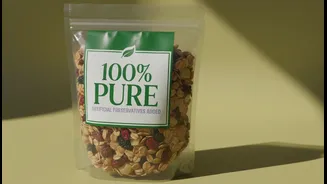
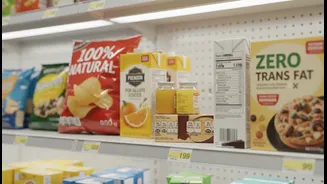
where a factory-produced biscuit with synthetic additives and a genuinely minimally-processed snack can both lay claim to the same term. This ambiguity confuses consumers and penalises honest brands whose products are truly natural, and often more expensive to produce. Recent actions by the Food Safety and Standards Authority of India (FSSAI) against several food companies for using misleading claims like "100% natural" show the regulator is losing patience.
FSSAI's Regulatory Straightjacket
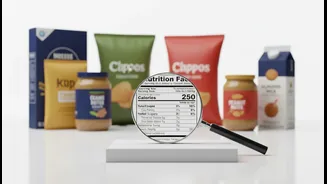
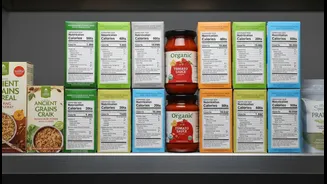
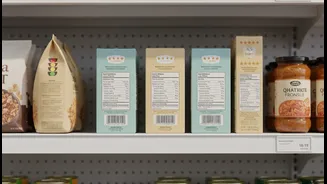
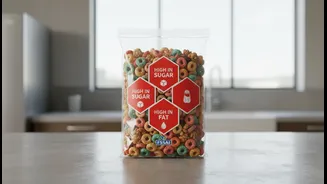
FSSAI is tightening its grip. The regulator has been issuing a flurry of notices to companies over misleading label claims. Under the Food Safety and Standards (Advertising and Claims) Regulations, 2018, words like 'natural', 'fresh', 'original', and 'traditional' are subject to strict conditions. For a single-ingredient food to be called 'natural', it must not be processed in any way that alters its basic characteristics. For multi-ingredient products, claiming 'made from natural ingredients' requires every single component to meet that high standard. These rules, along with a broader push for front-of-pack-labelling (FoPL) that clearly discloses high fat, sugar, and salt content, are designed to make it impossible for brands to hide behind vague, positive-sounding words. This isn't just about semantics; it's a foundational shift in food transparency.
The Great Unbundling of Claims
The immediate effect of this regulatory pressure is a 'great unbundling'. Brands can no longer bundle a mediocre product with a fantastic-sounding claim. FSSAI's recent scrutiny means that product names, brand identities, and front-of-pack claims are all under the microscope. A paneer brand cannot simply call its product 'fresh' unless it meets the specific legal definition laid out by the regulator. A chocolate spread can't claim to be 'all natural' and '100% organic' without the proper certifications and ingredient profile to back it up. This forces a clear separation: on one side will be brands that use 'natural' as a marketing gimmick, who will now have to change their packaging or risk penalties. On the other will be the brands whose products genuinely qualify, creating a smaller, more exclusive club.
From Clean Label to Premium Price
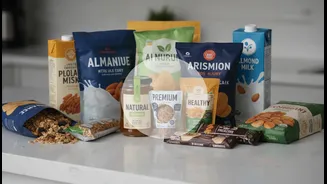
This is where the connection to 'premium' emerges. In a market cleared of misleading noise, a verified 'natural' claim becomes a powerful differentiator. Indian consumers are increasingly health-conscious and demonstrate a clear willingness to pay more for products they perceive as healthier and more authentic. They are actively seeking clean labels with fewer additives. When FSSAI effectively polices the use of 'natural', it hands a significant advantage to brands that can legitimately make that claim. Trust becomes the new currency. For consumers, the FSSAI's stamp of approval (or lack of penalty) on a 'natural' product will act as a signal of authenticity, justifying a higher price point. The 'premium' is no longer just for the marketing budget, but a direct reflection of superior, transparent, and compliant sourcing and production.
The New Playbook for Food Brands
For food companies, this new environment demands a new playbook. The focus must shift from clever marketing to demonstrable quality. This means investing in supply chain transparency, possibly reformulating products to remove synthetic additives, and ensuring every claim made on a label, website, or advertisement can be rigorously substantiated. While this presents a significant cost and operational challenge for many, it's also a massive opportunity. Brands that embrace this change can build deep, lasting trust with a growing segment of the Indian market that is hungry for authenticity. Success will no longer be about who shouts 'natural' the loudest, but who can prove it.