

The August Weather Advantage
The single biggest reason for Ladakh's growing August popularity is its weather. Nestled in a Himalayan rain shadow, the region remains largely dry while the rest of the country contends with heavy rainfall. This results in reliably sunny days, making
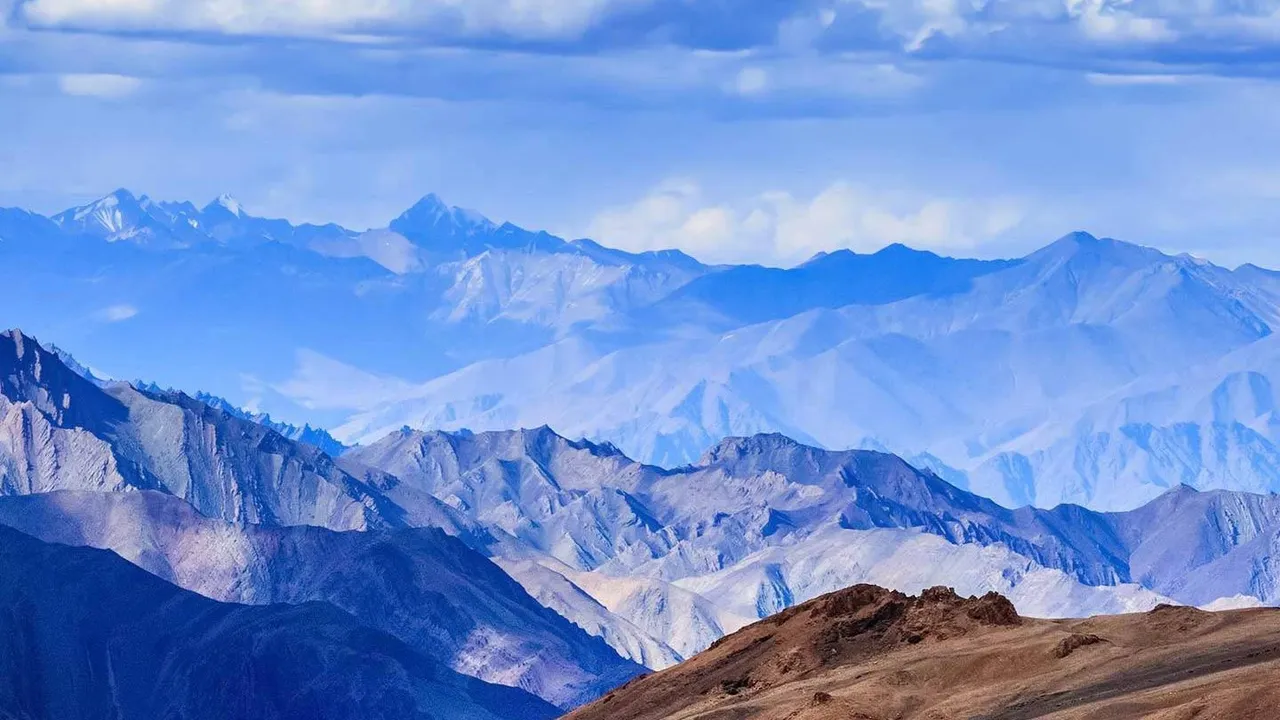
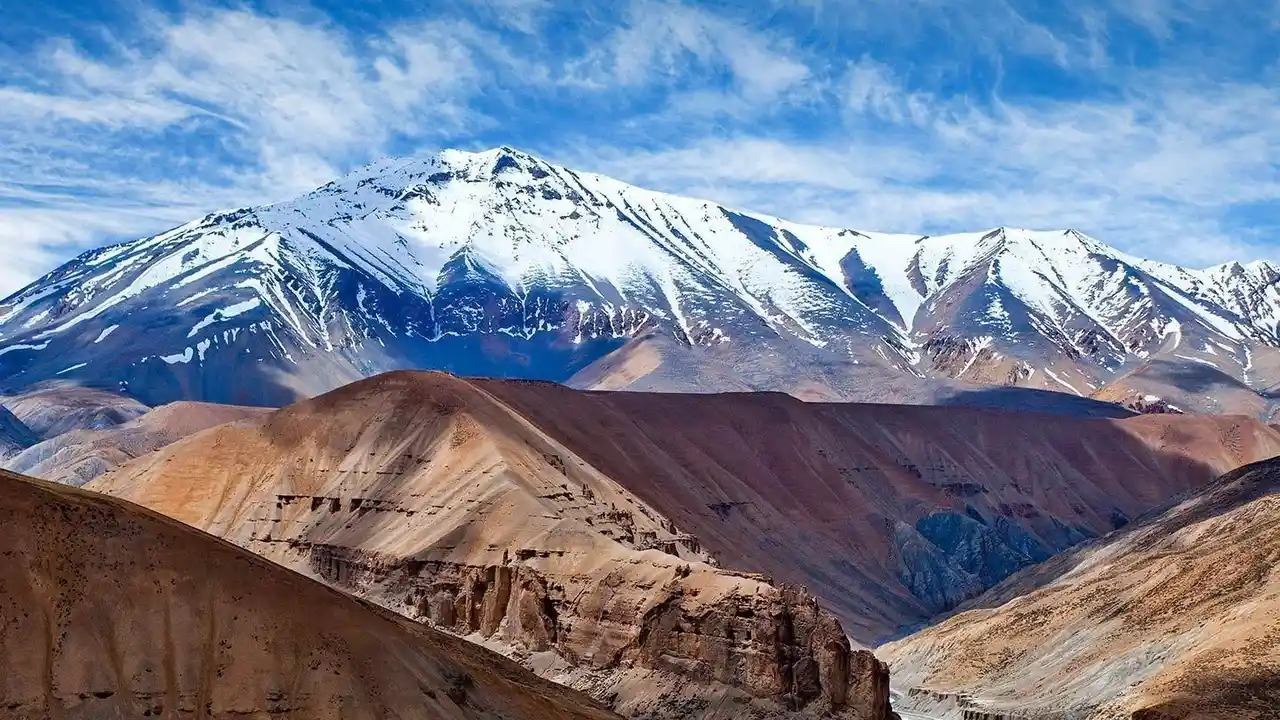
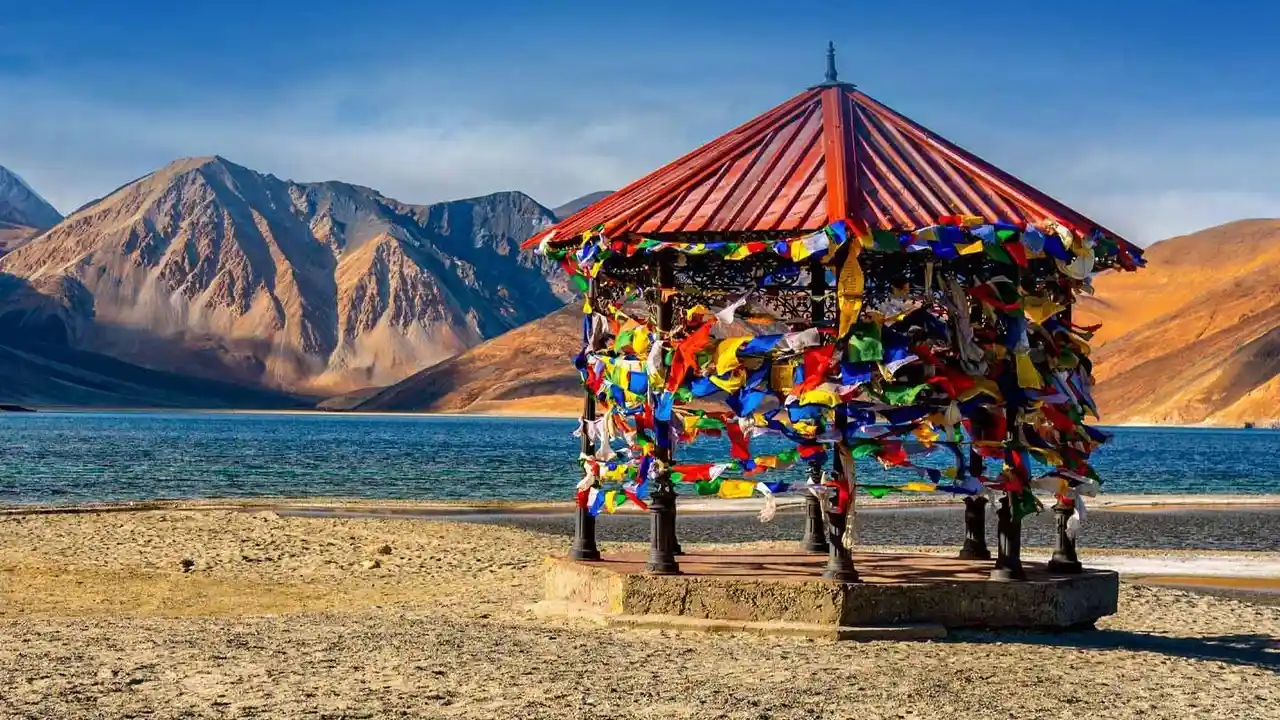
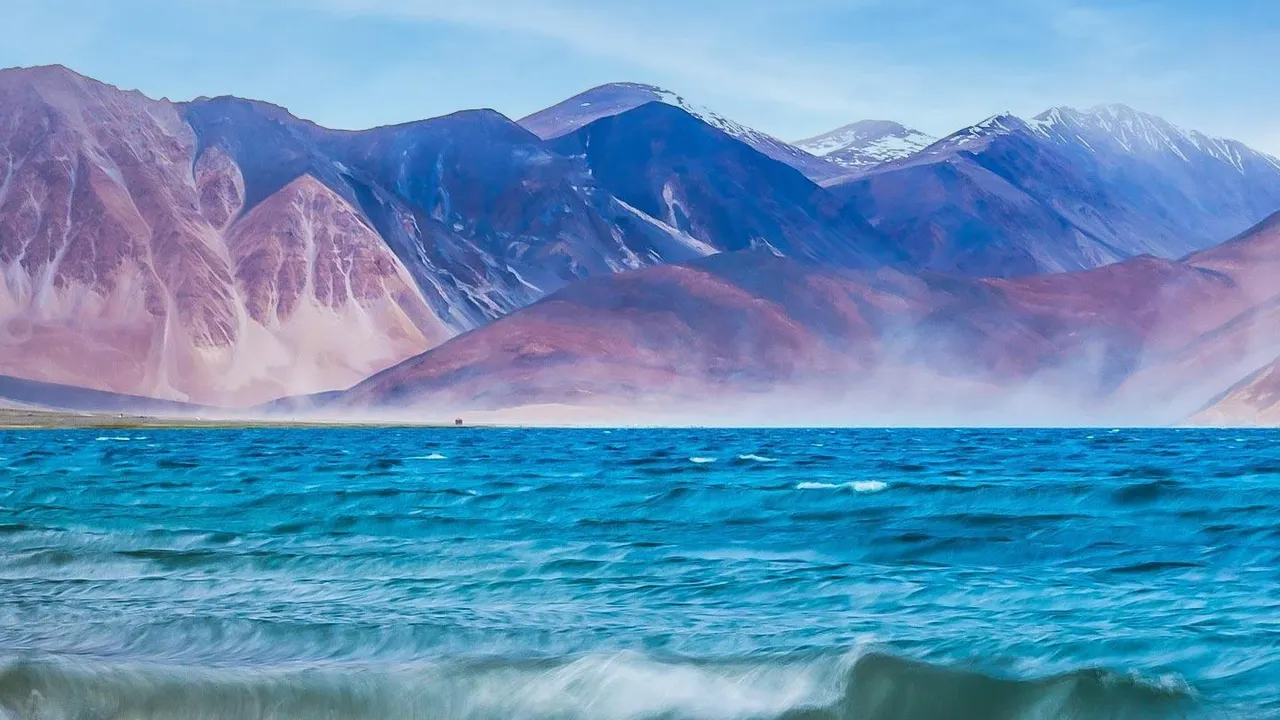
it ideal for sightseeing and road travel. Daytime temperatures in Leh and Nubra Valley are pleasant, often hovering between 20°C and 30°C. However, the high altitude means the sun is strong and nights can get chilly, dropping to around 10°C, so packing layers is essential. This unique climate window allows travellers to experience the stunning landscapes of places like Pangong Tso and the Nubra Valley under brilliant blue skies.
A Calendar of Cultural Festivities
August is a vibrant time for cultural immersion in Ladakh. While the exact dates shift with the lunar calendar, several monastic festivals, or 'tsechus', often take place during this period. The Phyang Tsedup is a notable festival that can occur in July or August, featuring the dramatic 'Chams' or masked dances by monks in colourful silk robes. Other regional events, like the Changthang Nomadic Festival and the Suru Summer Festival, also take place in August, offering a glimpse into the traditional lifestyles and heritage of the local people. These events provide a fascinating look into the region's rich Tibetan Buddhist culture, set against the backdrop of ancient monasteries.
Adventure in Full Swing
For thrill-seekers, August is peak season. The weather and road conditions are optimal for a range of adventure activities. The highways connecting Ladakh to the rest of India, the Srinagar-Leh and Manali-Leh roads, are generally open, making it a popular time for epic motorcycle journeys and road trips. Within Ladakh, the clear conditions are perfect for trekking, with numerous trails accessible. River rafting on the Indus and Zanskar rivers is also a popular activity during this month. All major internal roads to tourist hotspots like Nubra Valley, Pangong Lake, and Tso Moriri are accessible, allowing travellers to explore the region's diverse geography without the hindrance of snow-blocked passes.
Planning Your August Trip
Given its growing popularity, planning an August trip to Ladakh requires some foresight. It's crucial to book flights and accommodation well in advance, as this is a busy tourist season. The most convenient way to arrive is by flying into Leh's Kushok Bakula Rimpochee Airport. Upon arrival, acclimatisation is non-negotiable. Spend at least two full days in Leh (altitude 3,500 metres) before venturing to higher altitudes like Pangong Tso (4,350 metres) to avoid acute mountain sickness. When packing, think in layers: T-shirts for sunny afternoons, fleeces for the shade, and a warm jacket for the cold nights. Sunscreen, sunglasses, and a hat are essential due to the strong UV radiation at high altitudes.
Navigating the Journey
While Ladakh itself is dry, the approach roads from Manali and Srinagar can be affected by monsoon rains in lower-lying states, occasionally leading to landslides or delays. Travellers driving to Leh should build buffer days into their itinerary. Another point to note is the heightened security around Independence Day on August 15th. Expect several checkpoints, especially on the Srinagar-Leh highway, which can add to your travel time. Travellers are advised to cooperate with army personnel and factor in these potential delays when planning their journey during the middle of the month.